
Last updated November 24, 2026
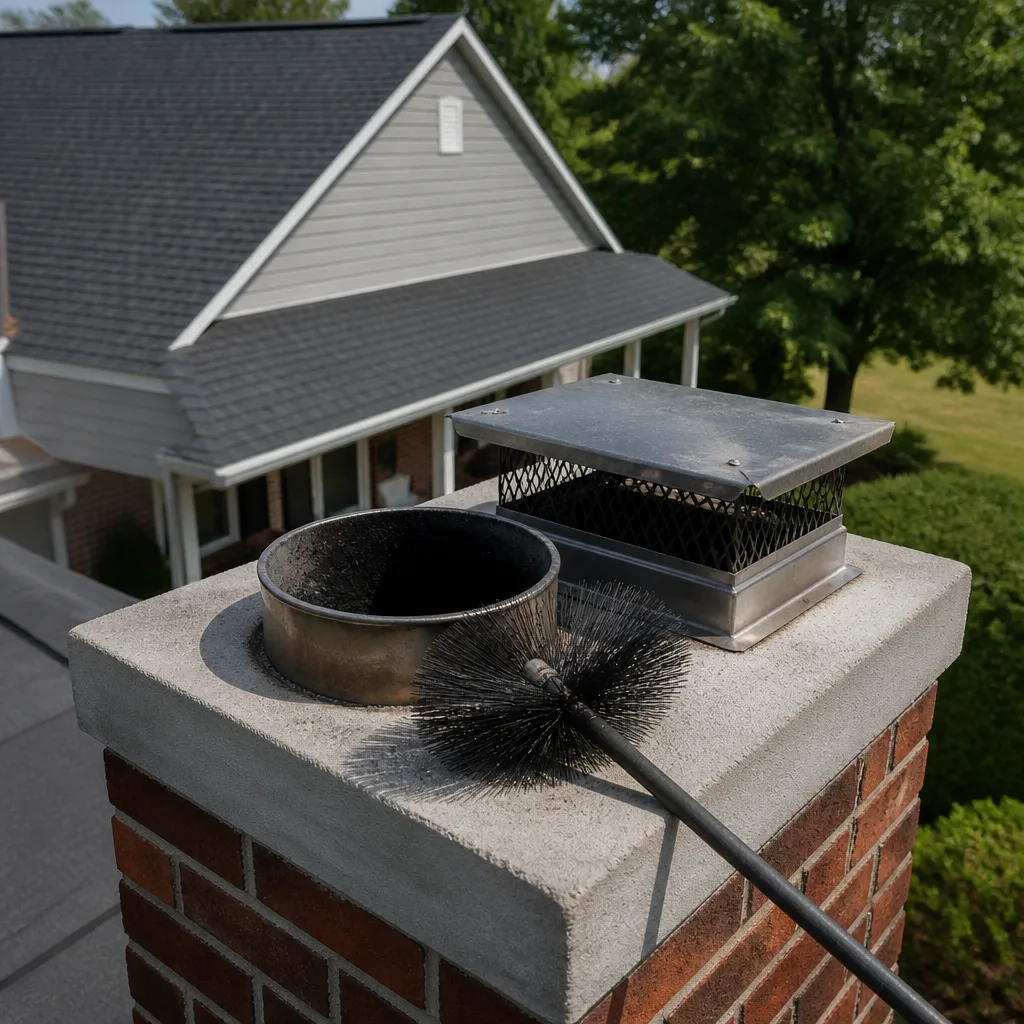 Sweep & inspection
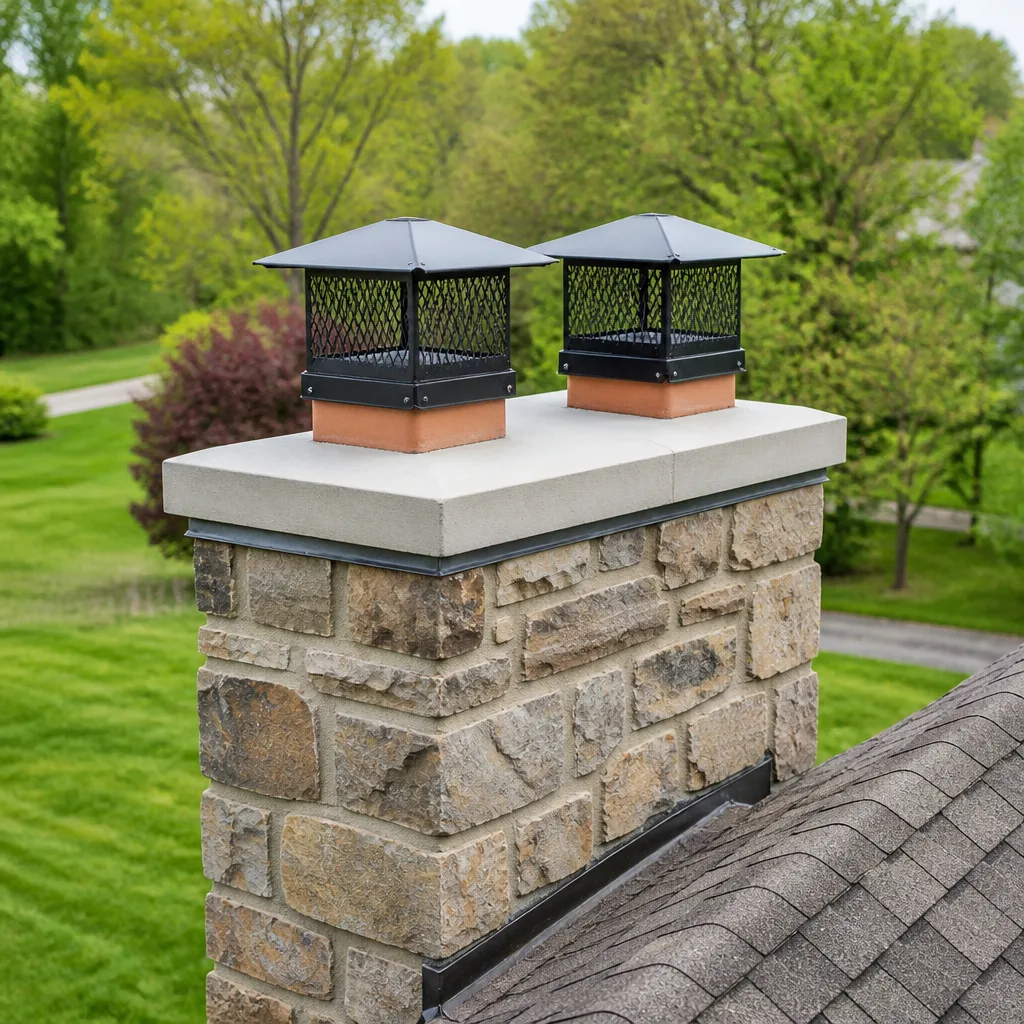 Caps & crowns
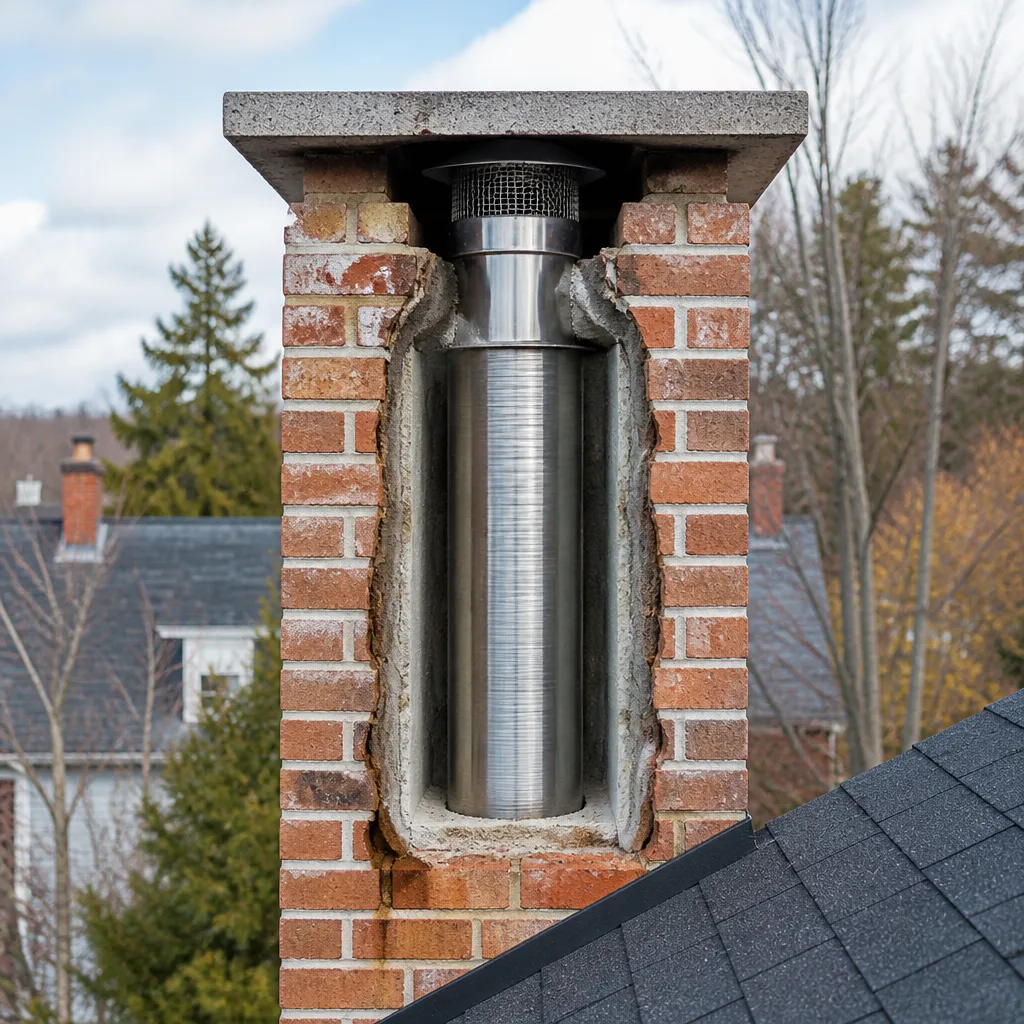 Flue relining
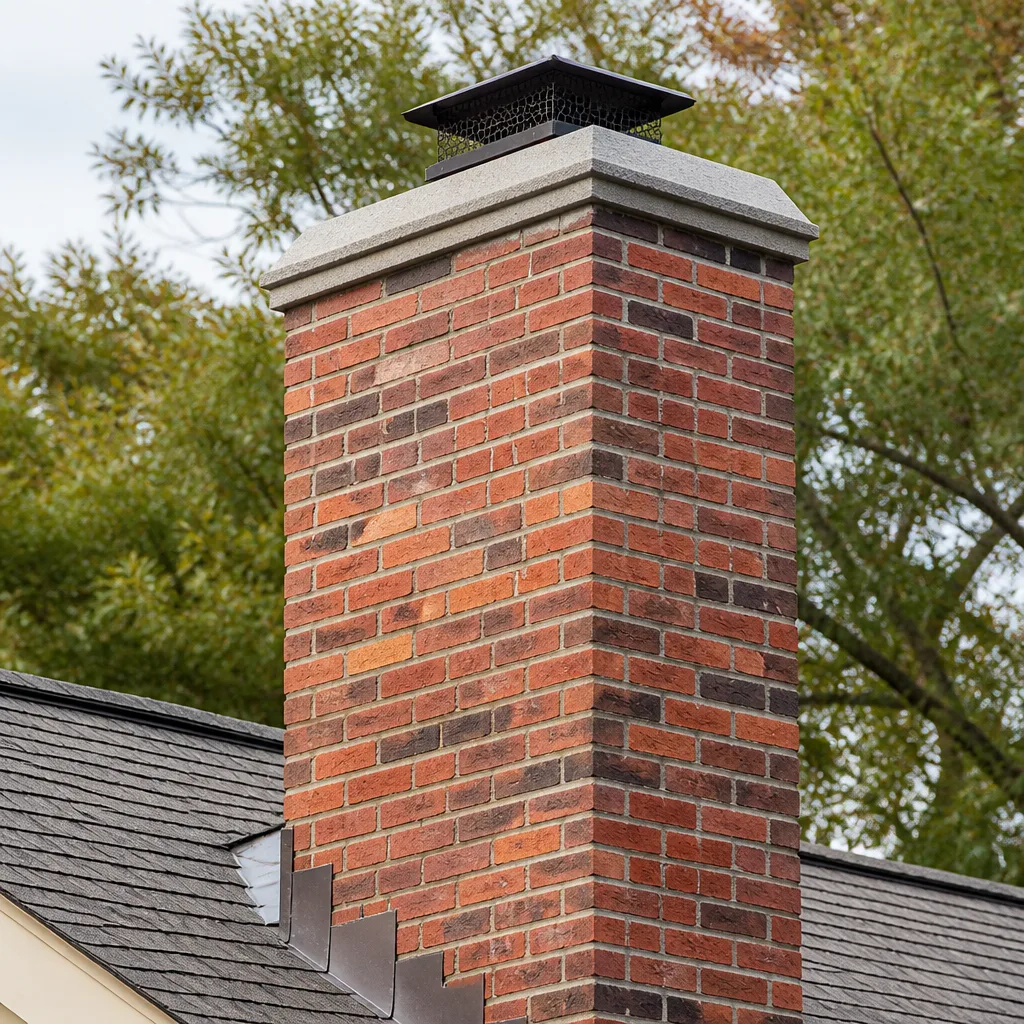 Masonry repair
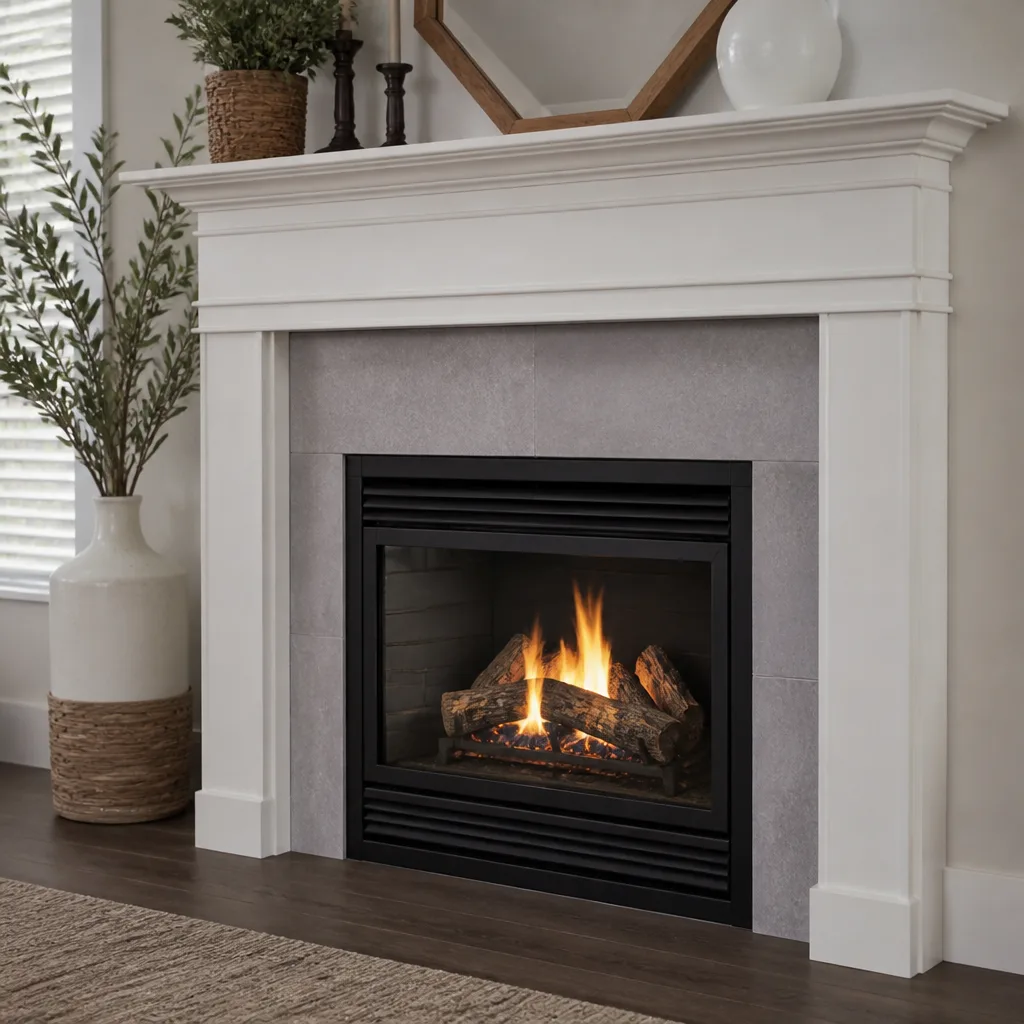 Gas fireplace service
Level 1 sweep and inspection to the NFPA 211 annual standard - flue, crown, cap, and flashing checked and photographed
Chimney sweep logs do not sweep chimneys. They loosen some creosote - which then falls where a brush and vacuum still have to collect it.
Chimney Sweep Maintenance Schedule: What to Do and When
Two households on the same street can own two fireplaces that need completely different maintenance. One burns split cord wood all winter and coats its flue in creosote. The other lights a gas insert a few evenings a month and never produces a puff of visible smoke. Both homeowners get told “sweep it once a year,” and that blanket advice is where small problems start turning into expensive ones. A single annual cleaning is the floor, not the ceiling. Your actual schedule depends on what you burn, how often you burn it, and how old and sound your liner is. This guide builds separate timelines for wood-burning, gas, and pellet systems, explains what a Level 1 or Level 2 inspection really means, and gives you a tracking log you can hand to a buyer or an insurer. It’s written from Draper, where the swing between a hot summer and a hard freeze shapes how chimneys here wear.
Quick Answer
Most wood-burning chimneys in Draper need a professional sweep and Level 1 inspection once a year, ideally in late summer or early fall before the first cold snap. Gas appliances should be inspected annually even though they produce little or no creosote, and pellet stoves need the flue and venting cleaned at least once a year depending on how many tons you burn. If you’ve changed fuel type, bought the home, or had a chimney fire, you need a Level 2 inspection regardless of when the last cleaning happened.
Styles & brands we work with
- Sweep & inspection
- Caps & crowns
- Flue relining
- Masonry repair
- Gas fireplace service
Table of Contents
- The Wood-Burning Chimney Timeline
- The Gas Insert and Gas Fireplace Timeline
- The Pellet Stove Timeline
- Why Fall Scheduling in Draper Matters More Than “Before Winter”
- Level 1 vs. Level 2 Inspections in Plain Language
- What You Can Do Between Professional Cleanings
- Building a Maintenance Log That Holds Up
- Common Mistakes to Avoid
The Wood-Burning Chimney Timeline
A wood-burning chimney is the hardest-working flue in the house. Every fire deposits creosote, a mix of tar and soot that starts soft and turns glazed and flammable as it builds. The rate depends on your wood, your burning habits, and how the flue drafts. A homeowner burning well-seasoned hardwood in a hot, efficient fire will build less creosote than someone burning damp wood in slow, smoldering fires. That difference is why “once a year” is a starting point, not a rule carved in stone.
Here’s how a typical wood-burning schedule breaks down over twelve months:
- Late summer (August – September): Book your annual sweep and Level 1 inspection. In Draper, this is the window before the first genuinely cold nights arrive in October and the fireplace starts running daily.
- At the sweep: The technician cleans the flue, firebox, smoke chamber, and damper, then inspects the liner, cap, crown, and any joints for cracks or gaps.
- Early fall: Check the cap and screen for damage from summer windstorms and confirm the damper opens and closes smoothly.
- Midwinter: If you burn more than roughly a cord a month, check the firebox walls and flue throat for heavy buildup. A midseason look is cheap insurance for a heavy burner.
- Spring: After the last fire of the season, look at the cap, crown, and flashing for winter damage, then close the damper to keep out animals and drafts.
- Any time: If you switch to a new wood source or the fire starts drafting poorly, that’s your signal to move the sweep forward.
In our experience across Draper, the wood-burning chimneys that fail inspection are rarely the ones that got swept too little. They’re the ones where nobody looked at the cap or crown for years while water worked its way in. A chimney sweep catches the soot. The inspection that comes with it catches the structural problems before they cost real money.
The Gas Insert and Gas Fireplace Timeline
Here’s a fact that surprises a lot of gas fireplace owners: no creosote doesn’t mean no maintenance. A gas appliance burns clean, but it still produces water vapor, and it still has a flue, a vent, and a set of components that wear. The chimney ages on a completely different clock than a wood-burner’s, and treating it the same way is how people skip the checks that actually matter for gas.
A typical gas fireplace schedule looks like this:
- Annual inspection: Once a year, have the venting, termination cap, and firebox checked. Gas venting can corrode or loosen over time, and an obstructed vent is a genuine carbon monoxide concern. This is one of the checks we never wave off.
- Annual cleaning of the burners and logs: Dust, pet hair, and lint collect on burner ports and ceramic logs. A soft brush and the manufacturer’s guidance handle this, or the technician can do it during the inspection.
- Every couple of years: Have the venting and the appliance’s connections checked more closely if the fireplace runs frequently. Any smell of gas or soot streaking near the vent calls for a professional right away.
- Before each heating season: Test the ignition, confirm the logs are positioned correctly, and clear anything stored near the vent termination outside.
A gas insert still has a chimney behind it, and that chimney still has a cap and crown that take the weather. Draper’s freeze-thaw cycles in late winter and early spring are hard on masonry, and a gas fireplace owner who never thinks about the cap can end up with water damage in a flue that never saw a flame. When a gas system does need work, it’s often on the firebox or the surround rather than the flue, which is why fireplace repair often comes up on a gas appliance inspection long before a full relining does.
The Pellet Stove Timeline
A pellet stove sits between wood and gas. It burns a clean, consistent fuel, but it still produces ash and fine fly ash that finds its way into the venting. The schedule depends heavily on how many tons you burn in a season.
- Weekly during heating season: Empty the ash pan and scrape the burn pot according to the manufacturer’s instructions. This is homeowner territory.
- Monthly during heavy use: Clean the heat exchanger and the exhaust passages inside the stove. Ash buildup here cuts efficiency and can trip sensors.
- Annual, before the season: Have the venting and flue professionally cleaned and inspected. Fly ash compacts in the vent and is a fire risk if it’s neglected. The termination cap also needs to be clear, especially where windblown debris collects.
- Every few years, or after any venting change: A closer look at the vent joints and the cap. If you’ve changed the venting layout or moved the stove, treat it as a Level 2 situation.
Pellet owners in Draper often run their stoves hard from November into March. If that’s your pattern, budget for the annual vent cleaning as a fixed cost of running the stove, not an optional extra. The good news is that a well-kept pellet vent is one of the more predictable systems to maintain once you know the rhythm.
Why Fall Scheduling in Draper Matters More Than “Before Winter”
“Schedule before winter” is advice that works everywhere and helps nobody. In Draper, the specific timing matters because of what happens to the weather and the calendar at the same time. The first genuinely cold nights tend to arrive in October, and the demand for sweeps spikes the moment the forecast turns. Late summer is when the schedule is still open and the work gets done unhurried, with time to fix what the inspection finds before you actually need the fireplace.
There’s a second Draper reason. Late summer and early fall are dry, and then the cold and moisture arrive together. Masonry that took on water during a wet spring or a wind-driven storm is most vulnerable when it freezes. A sweep and inspection in August or September gives you a window to catch a cracked crown or a loose cap and repair it before the first freeze does more damage. Fixing a crown in September is a small job. Rebuilding a chimney shoulder in February after a winter of water intrusion is a large one.
This is also the season when Draper homeowners notice things. The first cool evening, the first fire of the year, the smell that wasn’t there last spring. Getting ahead of the rush means the technician isn’t squeezing you in between a dozen other calls, and you have real choices about when the work happens. Trade-grade parts, from the cap to the liner, take a little lead time. Scheduling early gives you room to install something built to last rather than patched to get you through the season.
Level 1 vs. Level 2 Inspections in Plain Language
Inspection levels sound more technical than they are. Here’s what each one actually means, in terms a homeowner can use.
Level 1 inspection. This is the standard look that comes with an annual sweep. The technician checks all the readily accessible parts of the chimney and venting: the firebox, damper, smoke chamber, flue, cap, and crown. No tools that require opening anything up, no camera. It answers one question: is this chimney safe to keep using as it is? Most annual maintenance visits are Level 1.
Level 2 inspection. This is the deeper look, and it’s triggered by specific events. It includes everything in a Level 1, plus a camera inspection of the flue and access to areas that aren’t readily visible, along with the attic and crawl spaces where the chimney passes through. It’s the right call when:
- You’ve bought or are selling the home.
- You’ve changed the fuel type or the appliance.
- There’s been a chimney fire, even a small one you think you contained.
- There’s been an earthquake, a major storm, or noticeable settling.
- A Level 1 turned up something that needs a closer look.
Level 3 inspection. Rare. This is when specific parts of the chimney or building have to be opened up to see a problem, and it’s usually only after a Level 2 pointed at something serious. Most homeowners will never need one.
We offer inspections as their own service, separate from a cleaning, so buyers, sellers, and cautious owners get an honest condition assessment without anything else attached. When a Level 2 finds a deteriorated liner, that’s when the conversation turns to options like a DuraFlex liner system or HeatShield resurfacing, a ceramic repair method that can extend a liner’s life without a full reline. We name what we install because we want you to know exactly what’s going into your chimney.
What You Can Do Between Professional Cleanings
You don’t need to touch the flue between visits. But a handful of simple, safe checks keep small issues from growing, and they’re the ones that catch the majority of problems we see in Draper.
- Check the cap after windstorms. Draper gets strong gusts that can loosen or dent a cap or blow debris into the screen. A quick look from the ground tells you whether something’s off.
- Watch the damper. Open and close it a few times before the season. If it sticks, a little lubrication on the moving parts (following the manufacturer’s guidance) helps. If it’s stiff or won’t seal, have it looked at.
- Look up the smoke chamber now and then. A flashlight aimed up past the damper shows you the smoke chamber and the base of the flue. Heavy, glossy buildup is the signal to move your sweep forward.
- Keep the firebox clear. Don’t store cardboard, kindling, or ash buckets against the firebox or under the hearth. Clearance matters.
- Watch for water. Staining on the ceiling near the chimney, rust on the damper, or a musty smell in the firebox points to a cap, crown, or flashing issue. That’s a professional call.
One caution, because it comes up: never reach into the flue or try to clean the interior yourself. The tools, the angles, and the risk aren’t worth it, and a partial cleaning can push soot and creosote into places that are harder to reach. Leave the flue to a trained technician. Your job is the visible, safe checks around it.
Building a Maintenance Log That Holds Up
A simple maintenance log pays for itself twice: once when something needs diagnosing, and once when you sell the home or file an insurance claim. Buyers and insurers both want a clear record of what was done and when, and a home sale moves a lot faster when the chimney history is documented rather than remembered.
You don’t need special software. A notebook or a spreadsheet works. Each entry should record:
- Date of service and service type (sweep, Level 1, Level 2, repair, cap or crown work).
- Who performed it and what they found, in plain language.
- Parts installed, named accurately (a Gelco or Famco cap, an Olympia Chimney component, a DuraFlex liner, HeatShield resurfacing). Brand names make a record useful.
- Photos, if you have them. A camera inspection and photo report is worth keeping with the log.
- Anything recommended but not yet done, and the reason it can safely wait.
- The season’s fuel use, roughly (cords of wood, tons of pellets), so future readers can see how hard the chimney worked.
Keep the log with your home records. When you sell, hand it to the buyer along with the inspection report. It shows the chimney was cared for, and it gives the next owner a real starting point instead of a guess.
Common Mistakes to Avoid
- Assuming one schedule fits every chimney. A wood-burner and a gas insert age at completely different rates. Match the schedule to the fuel and the appliance, not the calendar.
- Waiting until the first cold snap to book. In Draper, the phones light up in October. Scheduling in late summer gets you an unhurried visit and time to fix what turns up before you need the fireplace.
- Skipping the inspection because the sweep “looked fine.” The sweep cleans. The inspection finds the cracked crown, the loose cap, the failing liner. They’re different jobs, and you need both.
- Burning damp or unseasoned wood. Wet wood burns cool and smolders, which builds creosote faster than anything else. Seasoned hardwood is the single biggest lever you have.
- Ignoring the cap and crown. In Draper’s freeze-thaw winters, water intrusion at the cap and crown is the most common cause of damage we see. A small repair now prevents a large one later.
- Skipping the annual inspection on a gas fireplace. No creosote doesn’t mean nothing to check. The venting and carbon monoxide risk still need a yearly look.
- Trying to clean the flue yourself. The tools and the risk aren’t worth it, and a partial job can leave creosote in harder-to-reach spots. Leave the flue to a trained professional.
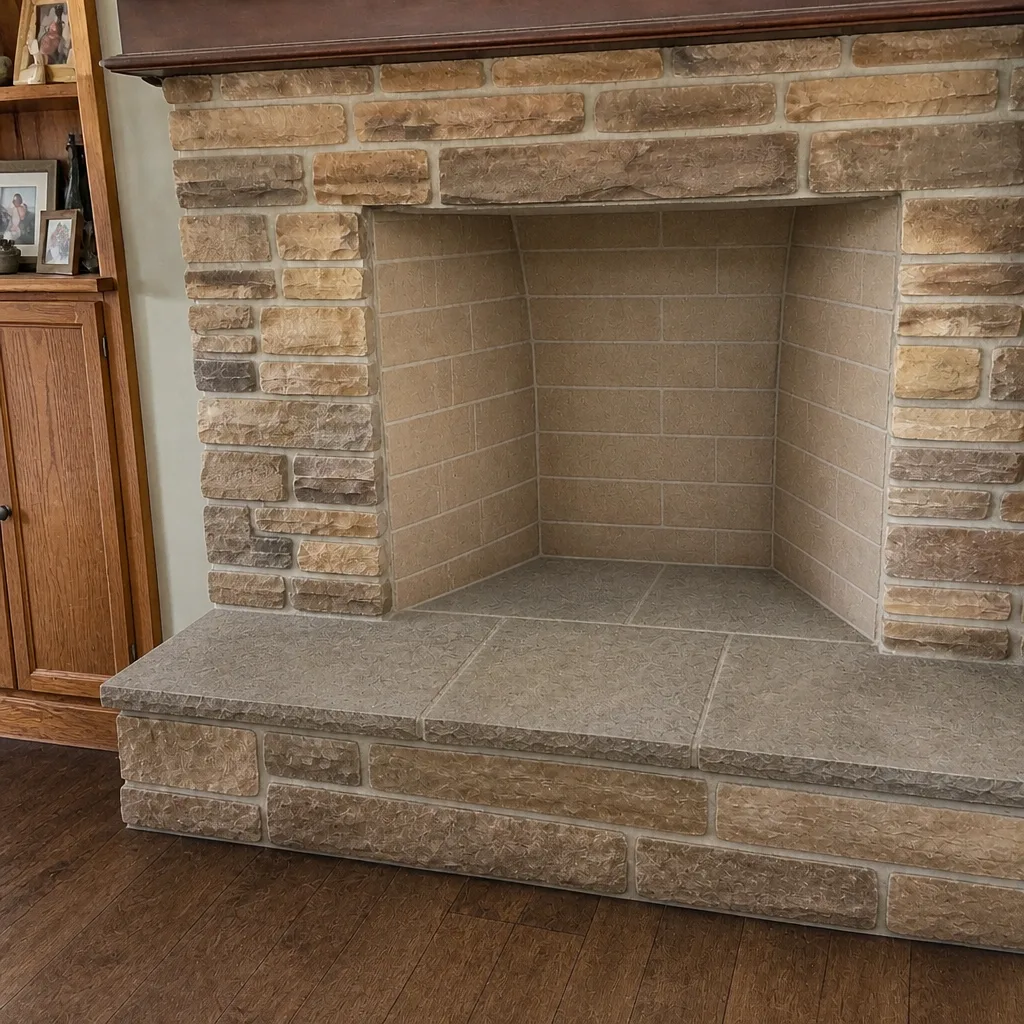
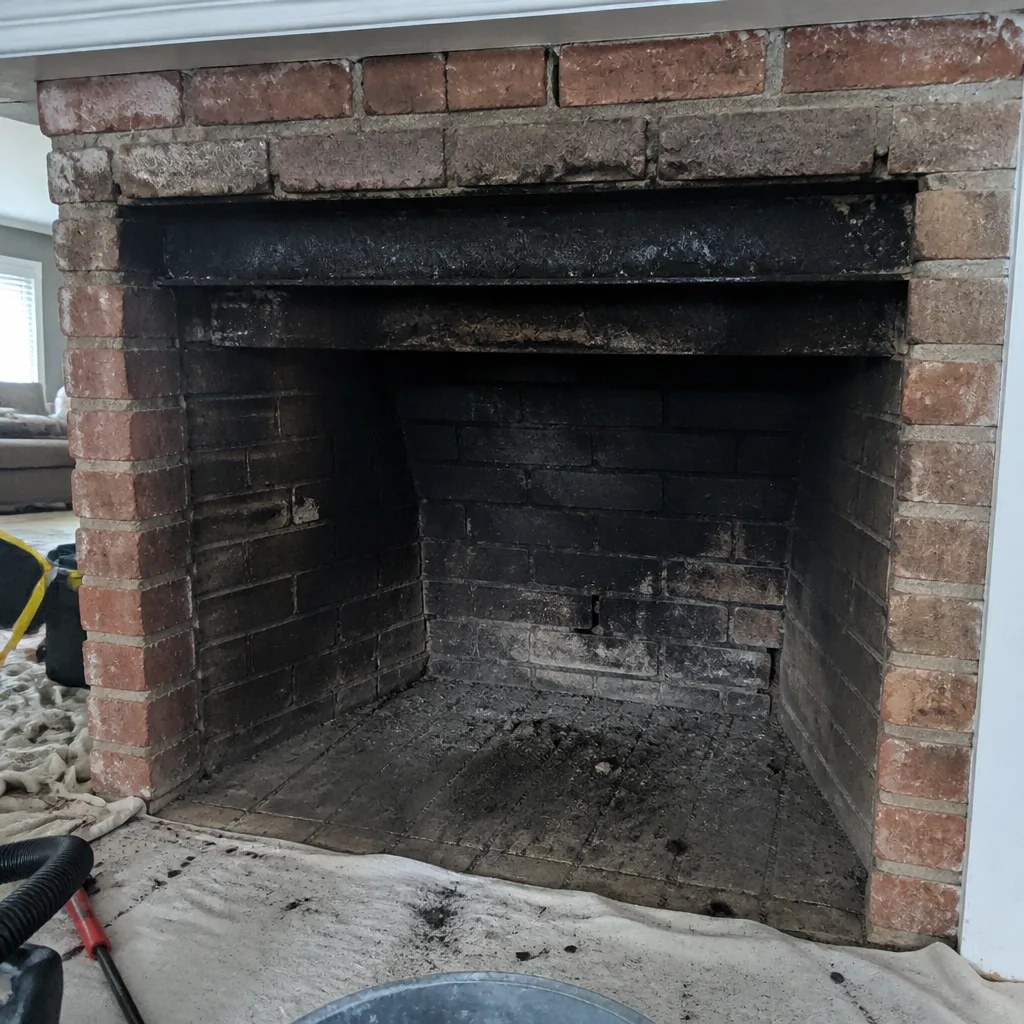
See the difference
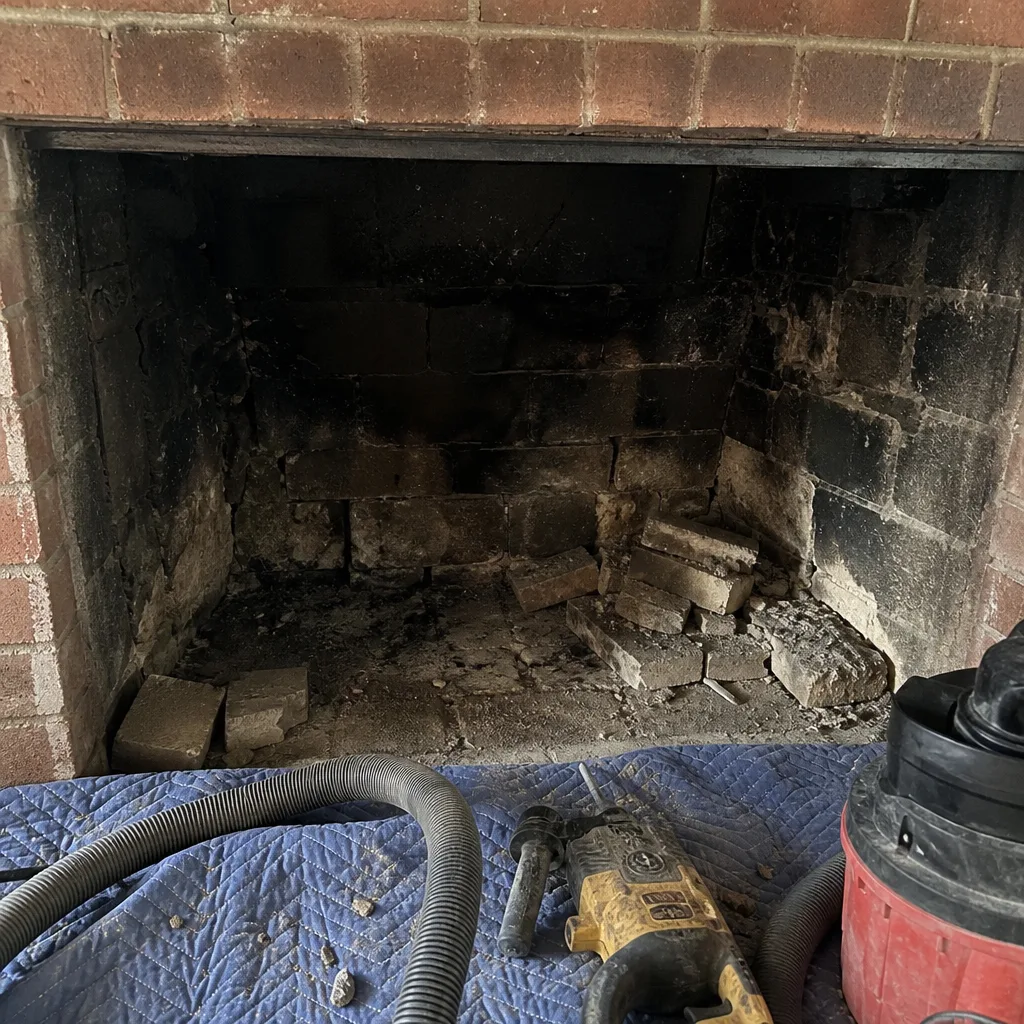 Before
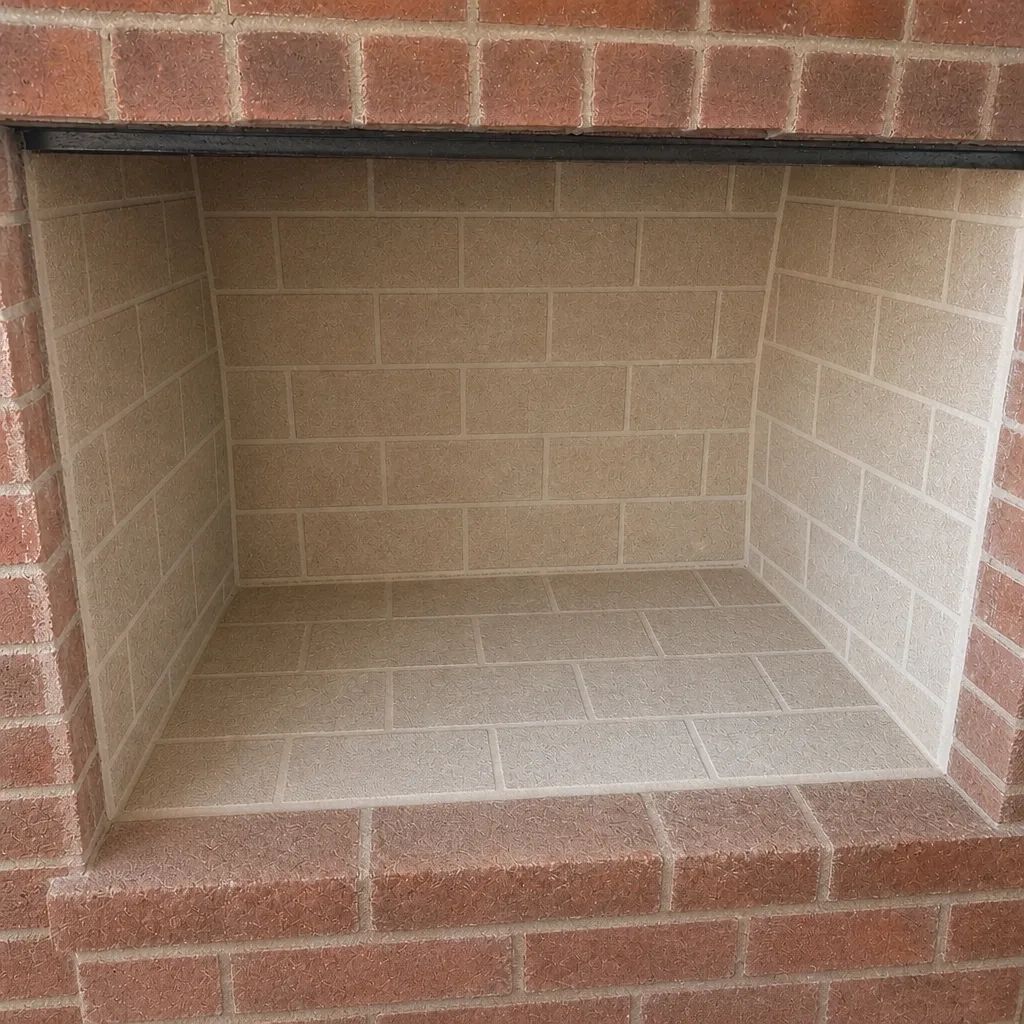 After
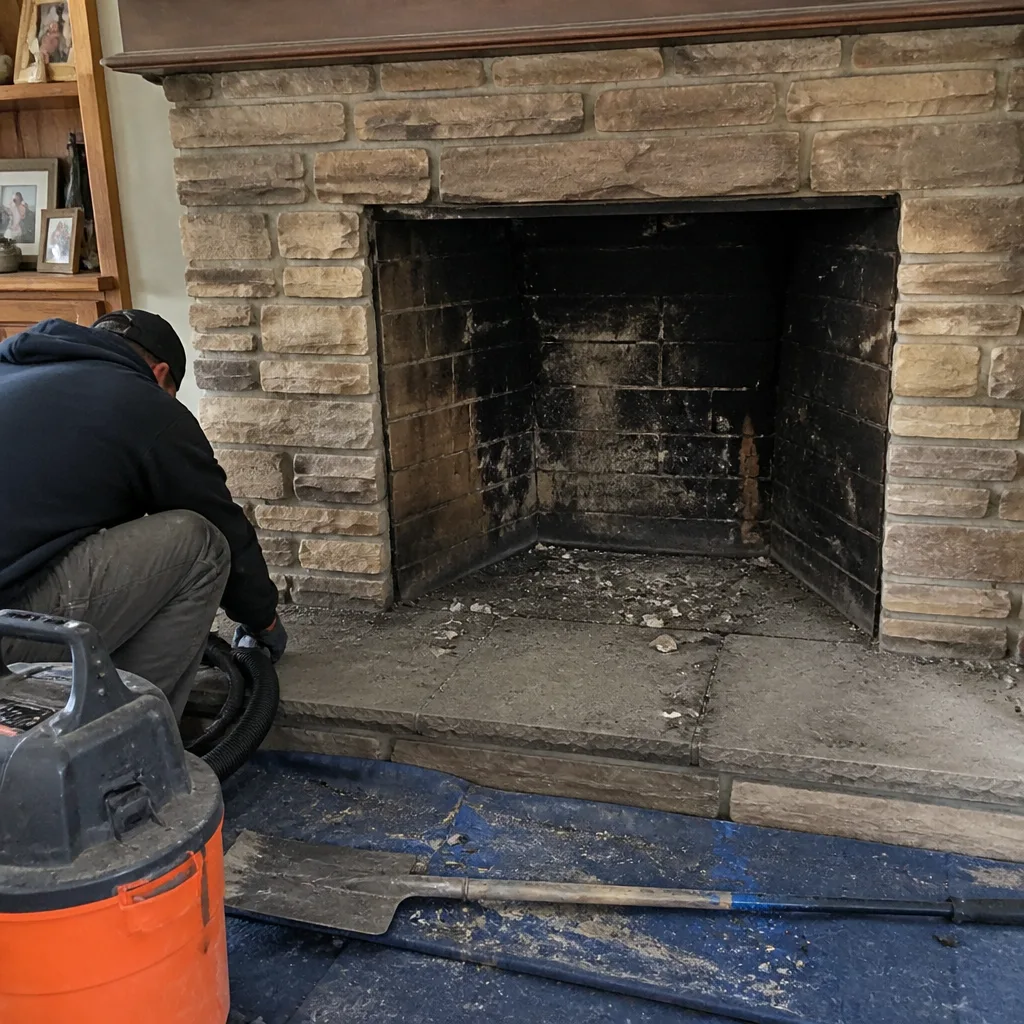 Before
 After
 Before
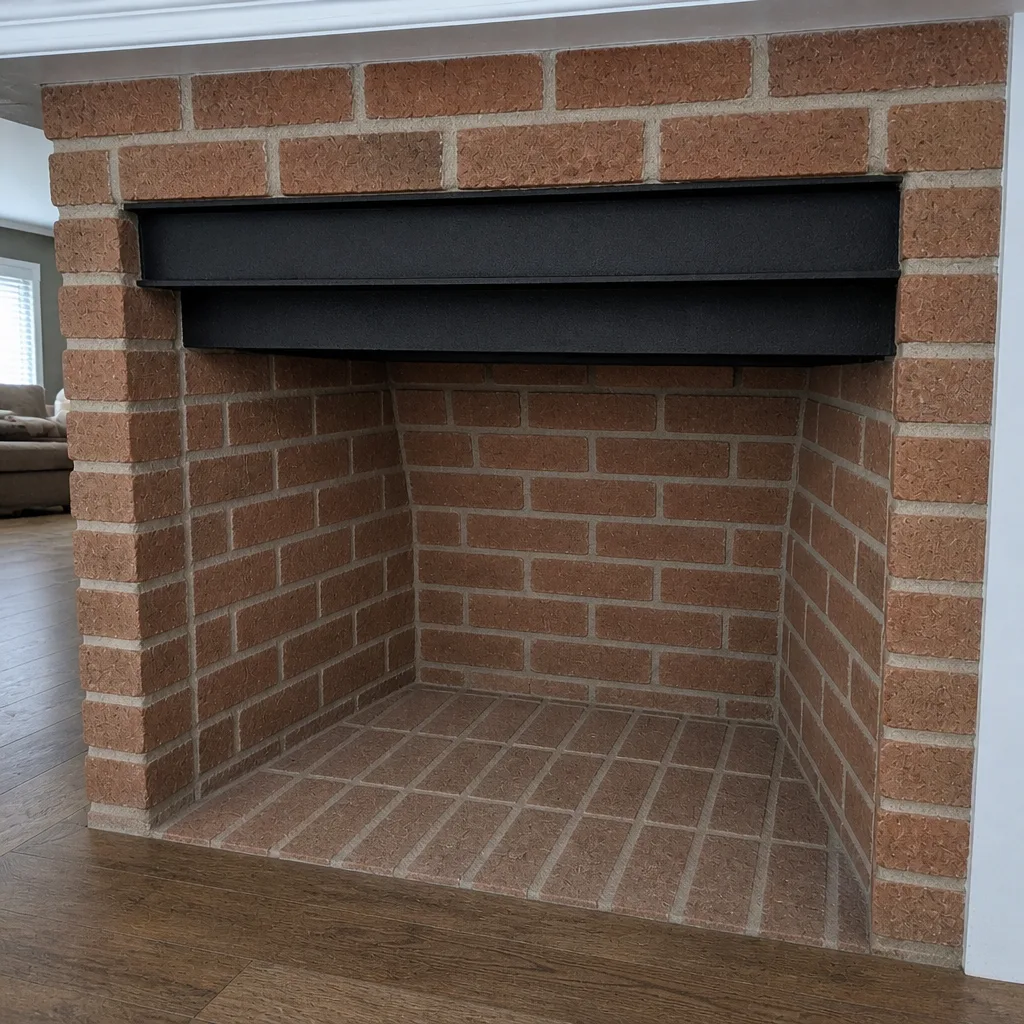 After
When to Call a Professional
Some situations need a call well before your annual visit. Call a professional if you’ve had a chimney fire, even a small one you think you put out. Call if you see soot streaking outside the firebox, rust on the damper, or water staining near the chimney. Call if the fireplace drafts poorly, smoke rolls into the room, or you smell gas near a gas appliance. Call if you’re buying or selling the home, changing fuel type, or notice settling or cracks in the masonry. And call if the cap or crown looks damaged after a storm. Draper Chimney Sweep offers free estimates in Draper, and we can find the problem and fix it in the same visit. Call (855) 658-4373. We answer 24/7. Fast dispatch from 7am to 7pm, Sunday through Friday.
Frequently Asked Questions
Most wood-burning chimneys need a sweep and Level 1 inspection once a year, and heavy burners should consider a midseason check. Gas fireplaces need an annual inspection even without creosote, and pellet stoves need their venting cleaned at least once a year. The right interval depends on fuel type and how much you burn, so a quick assessment beats a fixed rule. Call (855) 658-4373 for an exact quote, and the estimate is free.
Yes. A gas fireplace still has venting, a termination cap, and components that wear, and an obstructed vent is a genuine carbon monoxide concern. An annual inspection checks the venting and firebox and catches problems early. It’s a short visit that protects a system you rely on. Call (855) 658-4373 to book an inspection.
A Level 1 is the standard accessible check that comes with an annual sweep; a Level 2 adds a camera inspection of the flue and access to hidden areas, and it’s triggered by a home sale, a fuel change, or a chimney fire. A Level 2 is the deeper look you want when something has changed. We offer inspections as a standalone service, so you can get an objective assessment without a cleaning attached. Call (855) 658-4373 for an exact quote.
No. You can safely check the cap, watch the damper, and look up the smoke chamber with a flashlight, but cleaning the flue itself calls for the right tools and the right angles, and a partial job can leave creosote in hard-to-reach spots. Leave the flue to a trained technician. Call (855) 658-4373 to schedule a sweep.
Keep a simple log of each service visit, the date, what was found, any parts installed by brand name, and any photos from the inspection. Hand it to the buyer along with the inspection report. A clear history makes the sale smoother and gives an insurer what it needs. Draper Chimney Sweep provides a camera inspection and photo report with the work, so the documentation comes built in. Call (855) 658-4373.
Late summer or early fall is the best window, before the first cold nights arrive in October and before the schedule fills. That timing gives you room to repair a cracked crown or a loose cap before the first freeze. Scheduling early also means a calmer visit with time to answer your questions. Call (855) 658-4373. We answer 24/7. Fast dispatch from 7am to 7pm, Sunday through Friday.
The Bottom Line
Your chimney’s maintenance schedule should match your fuel, your burn frequency, and the condition of your liner, not a generic “once a year” for everyone. Wood-burning chimneys need an annual sweep and Level 1 inspection; gas fireplaces need an annual inspection even without creosote; pellet stoves need their venting cleaned at least once a year. Level 2 inspections are triggered by a home sale, a fuel change, or a chimney fire. In Draper, fall scheduling before October matters because the freeze-thaw winter punishes water intrusion at the cap and crown. Keep a simple log, do the safe homeowner checks, and let a trained technician handle the flue. Call (855) 658-4373 for a free estimate.
Written by the team at Draper Chimney Sweep.