
Last updated November 24, 2026
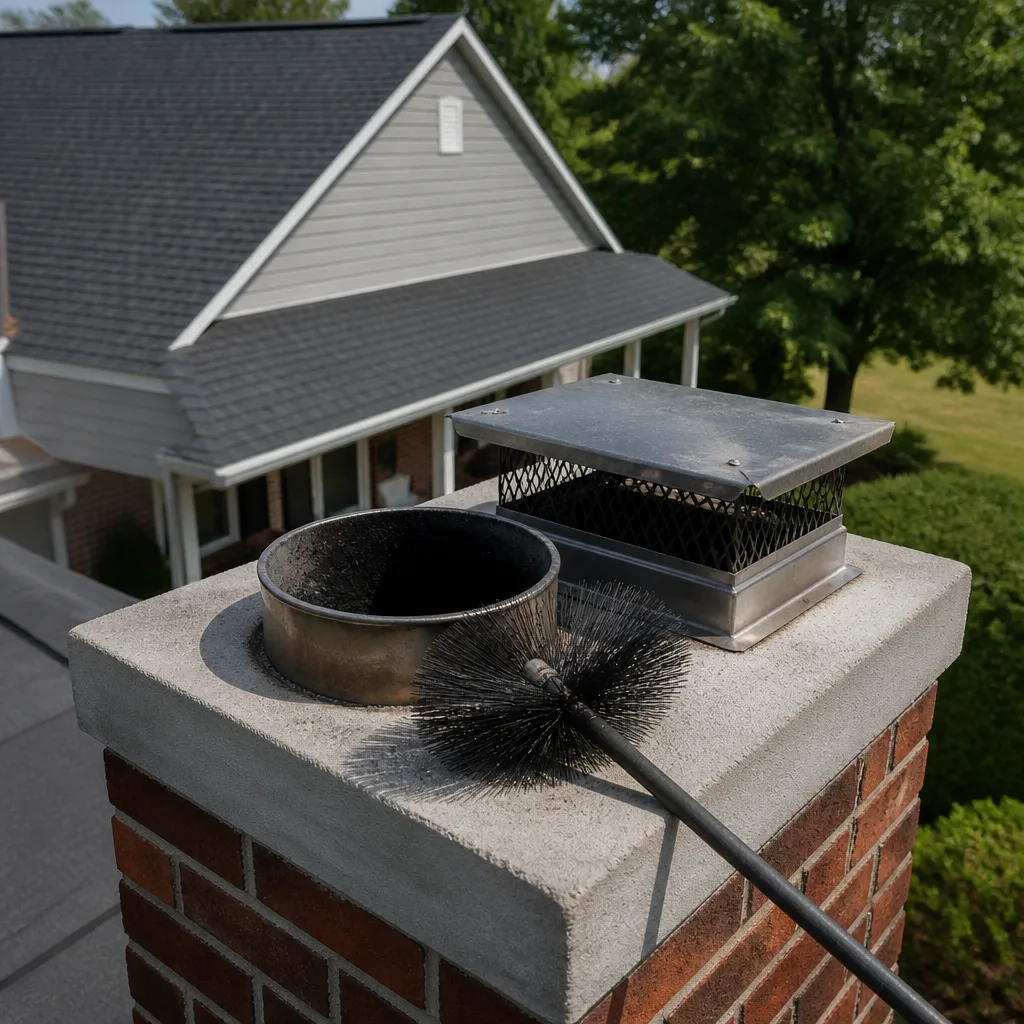 Sweep & inspection
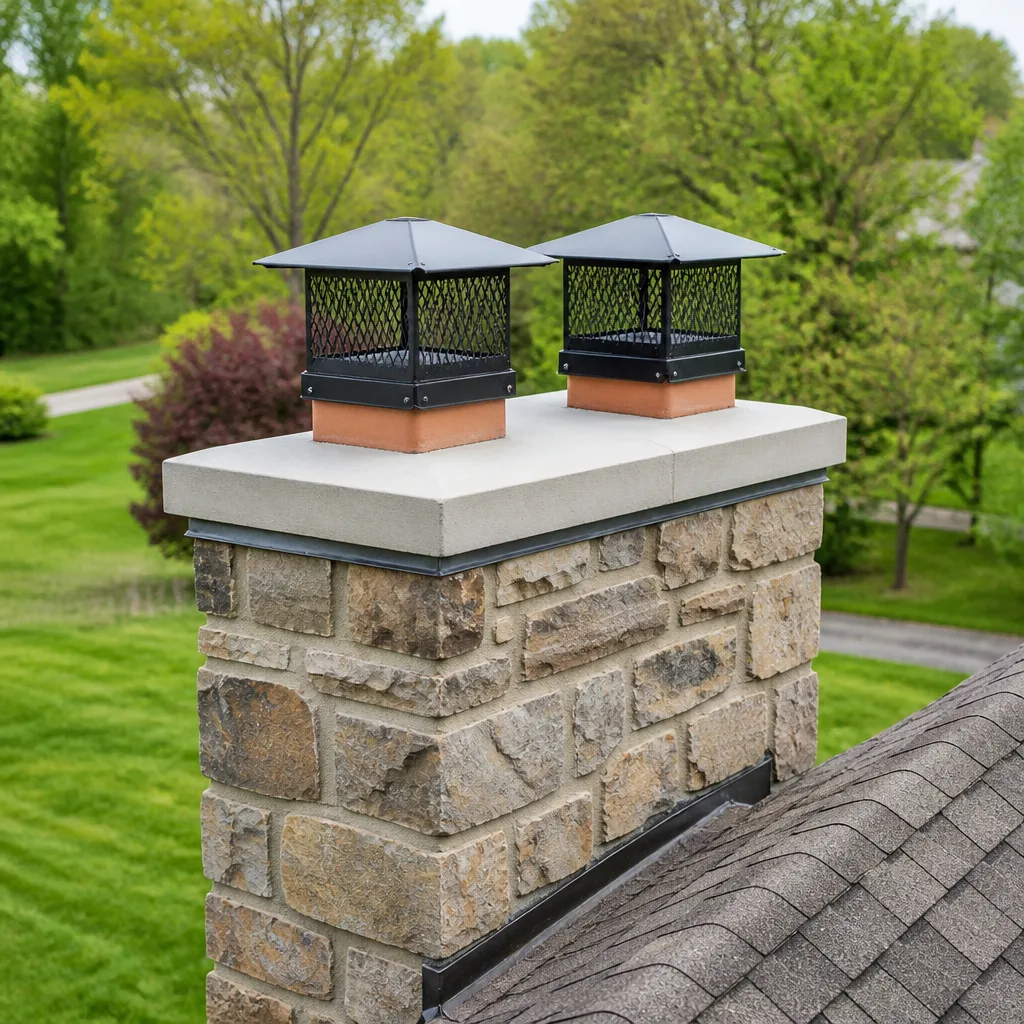 Caps & crowns
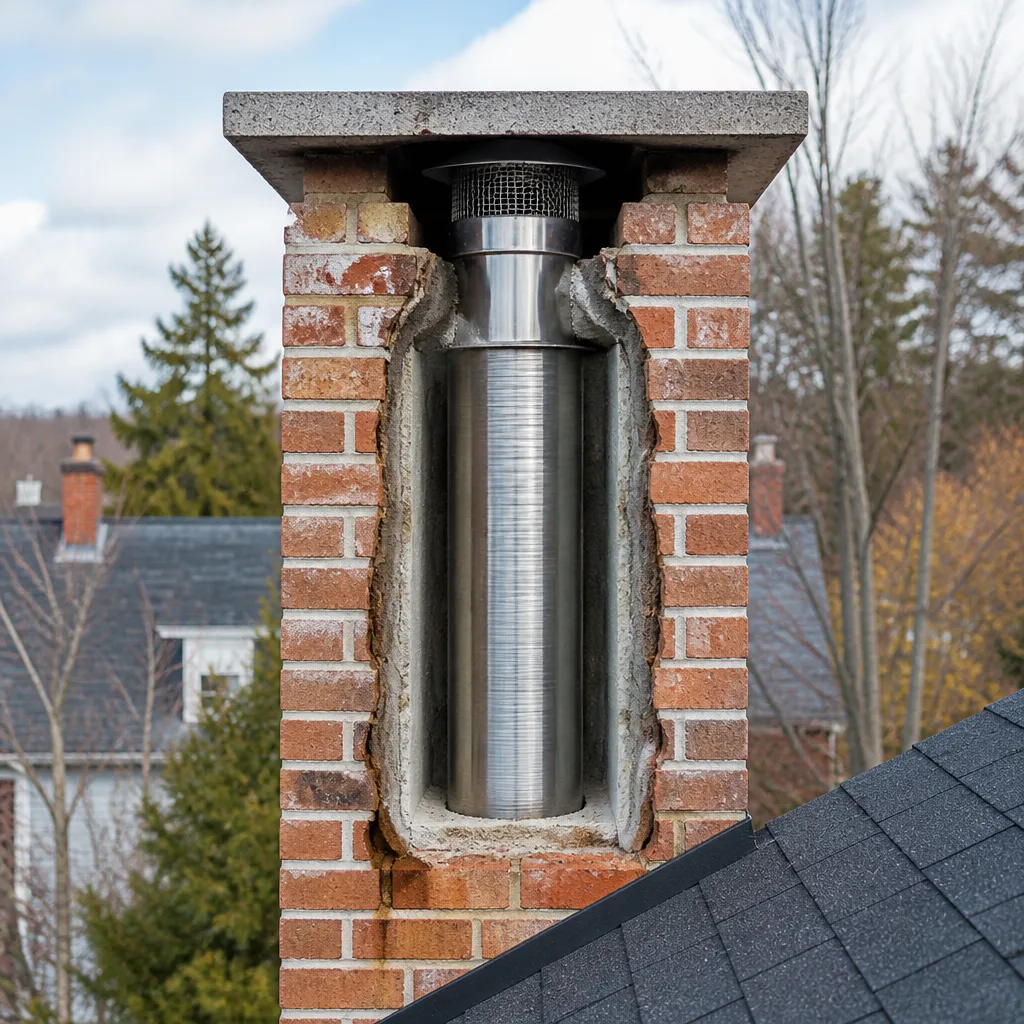 Flue relining
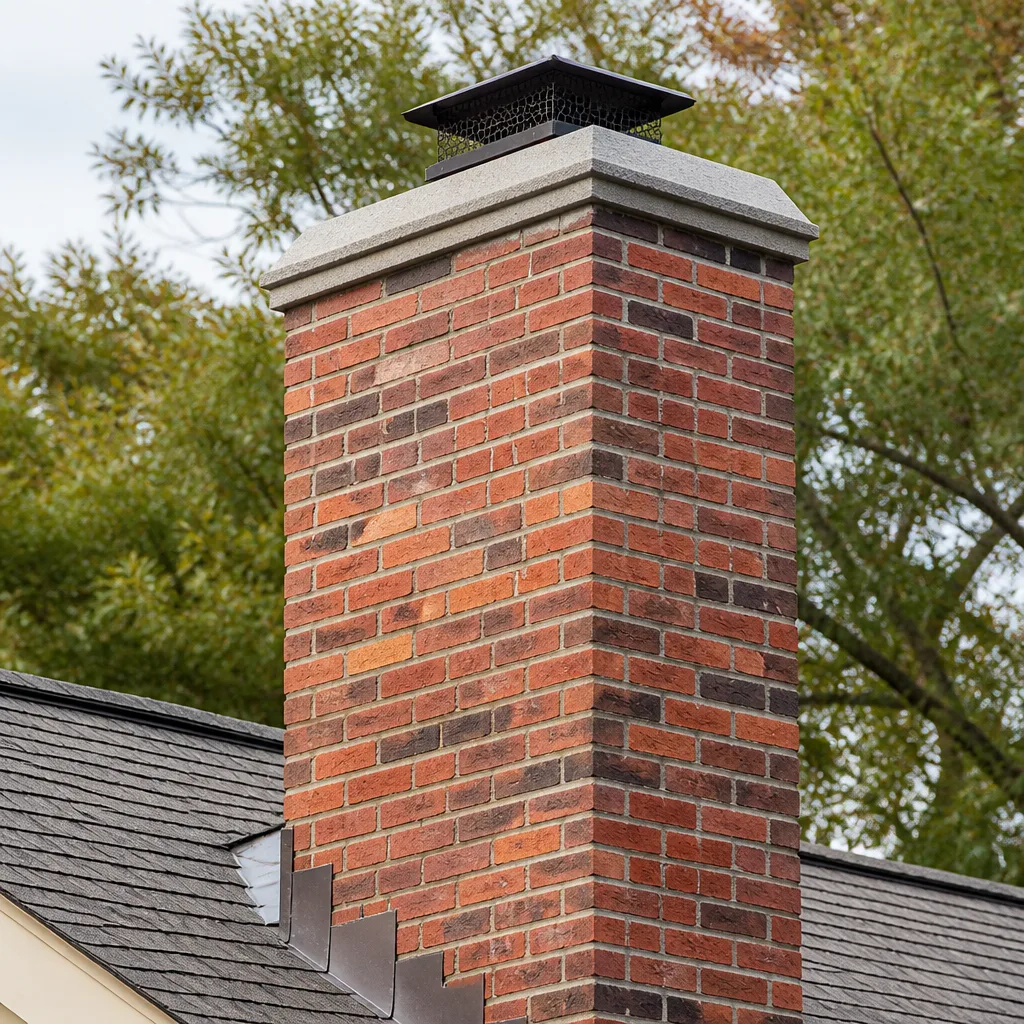 Masonry repair
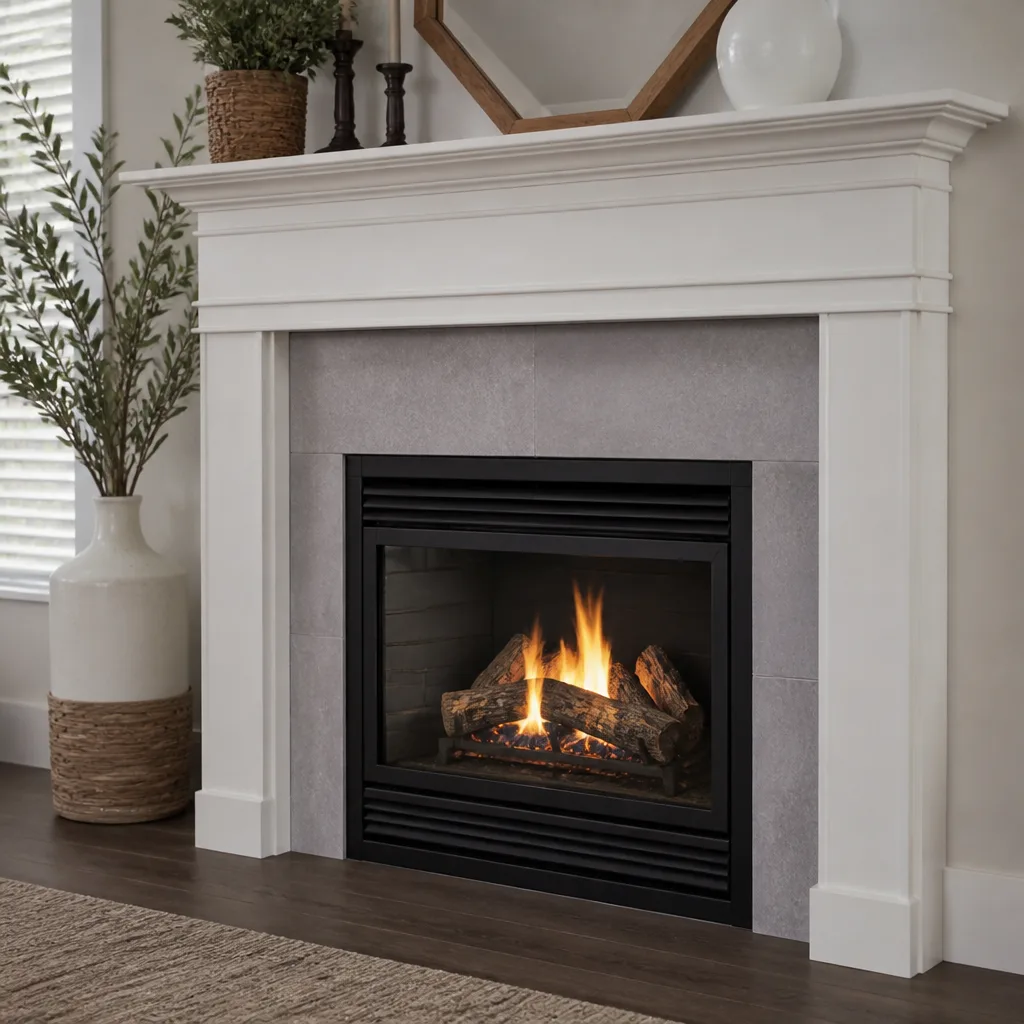 Gas fireplace service
Level 1 sweep and inspection to the NFPA 211 annual standard - flue, crown, cap, and flashing checked and photographed
Chimney sweep logs do not sweep chimneys. They loosen some creosote - which then falls where a brush and vacuum still have to collect it.
Chimney Sweep Troubleshooting in Draper: Common Problems and How to Fix Them
If you’ve been cracking a window every time you light a fire, that’s not normal. It’s a symptom, and it points to one of exactly five diagnosable problems. Most homeowners in Draper chalk smoke backdraft, a lazy draft, or a strange smell in July up to “just how fireplaces work.” They don’t. A fireplace that smokes into the room, draws slowly, or smells like a campfire in the middle of summer is telling you something specific about the flue, the cap, or the firebox, and each of those signals has a real cause you can identify before anyone climbs a ladder. In this guide we walk through the symptoms you’re likely to notice, what each one points to, how Draper’s altitude and cold-air inversions make some of these worse than they’d be at lower elevations, and where the line sits between a fix you can handle and one that needs a trained sweep.
Quick Answer
Smoke in the room, a slow draft, summer odors, and white staining on the brick are symptoms of a small set of chimney problems: a blocked or undersized flue, a missing or damaged cap, a cracked flue tile letting moisture in, a damper that won’t seal, or a firebox that needs repair. Most of these are diagnosable with a visual check from the firebox and a camera inspection, and most are fixed by a sweep, a cap replacement, or liner resurfacing rather than a full rebuild. In Draper, elevation and winter cold-air inversions make draft problems show up more often than they do in valley towns to the north.
Styles & brands we work with
- Sweep & inspection
- Caps & crowns
- Flue relining
- Masonry repair
- Gas fireplace service
Table of Contents
- Mapping Your Symptoms to the Real Cause
- Why Draper’s Elevation and Inversions Affect Your Draft
- Smoke Coming Back Into the Room
- Summer Odor and What It Tells You
- White Staining on the Brick (Efflorescence)
- A Firebox-Level Inspection Checklist You Can Run Yourself
- What You Can Fix vs. What Needs a Certified Sweep
- How One Unresolved Issue Compounds Through a Utah Winter
Mapping Your Symptoms to the Real Cause
Chimney troubleshooting works best when you start from the symptom instead of the guess. A fireplace that smokes, one that draws weakly, one that smells, and one that shows staining on the outside are four different conversations, and they usually point to four different fixes. Here’s how we map the common symptoms to their root causes when a homeowner calls us in Draper.
- Smoke rolling into the room when you light a fire: a flue that’s blocked by soot, a nest, or a fallen tile; a flue that’s too short or too narrow for the firebox opening; or negative pressure in the house pulling air down the chimney.
- A fire that’s slow to catch and smokes at the top of the box: a draft problem, often made worse by a cold flue, a closed or broken damper, or a cap that restricts airflow.
- A campfire or creosote smell in summer: creosote deposits on the flue walls absorbing humidity, or a downdraft pushing air back through an uncapped or loosely capped flue.
- White chalky staining on exterior brick: moisture moving through the masonry, usually from a failed crown, a cracked cap, or a flue tile that’s letting water in and pushing salts out through the brick.
- Rust or corrosion on the damper or firebox: water getting past the cap or crown and sitting in the firebox between burns.
Notice that none of these symptoms is “the chimney needs a sweep.” A sweep is one of several possible fixes, and the symptom tells you which one to check first. When we run a chimney sweep in Draper, we look at the symptom the homeowner described and work backward to the cause before we bring a brush in. That’s the difference between a sweep that solves the problem and one that just clears soot and leaves the actual cause sitting there.
Why Draper’s Elevation and Inversions Affect Your Draft
Draper sits high enough that the air is thinner than it is down in the Salt Lake Valley floor, and thinner air holds less oxygen per cubic foot. A fireplace that draws well at 4,300 feet can struggle at Draper’s elevation, especially on a cold morning when the flue is still cold. The fire needs oxygen, the chimney needs to move combustion gases up and out, and at altitude both sides of that equation are a little harder to balance.
Then there’s the inversion problem. Draper sits against the Wasatch foothills, and on still winter days a layer of cold, dense air settles over the valley while warmer air sits above it. That inversion traps smoke and particulates near the ground and, more importantly for a fireplace, it changes the pressure relationship between your house and the outdoors. A chimney depends on warm air inside the flue being lighter than the cold outside air so it rises. When the outside air is trapped and dense, the pressure difference gets weaker and the draft slows down. Homes on the east bench, higher up and closer to the foothills, notice this more than homes lower in the city.
What this means practically:
- A fire that drew fine in October can start smoking in January when inversion conditions set in.
- Homes at Draper’s elevation often benefit from a flue that’s sized correctly for the firebox rather than oversized, because a big cold flue takes longer to warm up.
- Cracking a window helps because it equalizes pressure, but needing to do it every time means the chimney isn’t drawing on its own and should be looked at.
- A tight, well-insulated modern house can actually work against a chimney by starving it of makeup air.
Our technicians have up to 11 years of experience working in Wasatch Front conditions, and the altitude-and-inversion effect is one of the first things we factor in when a Draper homeowner reports a draft that only shows up in deep winter.
Smoke Coming Back Into the Room
Smoke backing into the room is the symptom homeowners call about most, and it’s the one with the widest range of causes. In our experience, it breaks down into three categories: something is blocking the flue, the flue isn’t matched to the firebox, or the pressure in the house is fighting the chimney.
Blockage. A soot-choked flue, a bird or squirrel nest, a collapsed flue tile, or a cap that’s been bent closed all restrict the path the smoke needs. If smoke comes back the moment you light a fire, blockage is the first thing to rule out, and it’s the one cause you should never try to clear from the roof yourself.
Undersized or short flue. A flue that’s too narrow for the firebox opening, or one that doesn’t rise high enough above the roof, can’t move the volume of smoke the fire produces. The fix is either resizing the firebox opening, improving the flue, or installing a proper liner system. This is where a professional-grade liner like DuraFlex comes in, sized to the firebox rather than to whatever a hardware store stocks.
Pressure. A kitchen exhaust fan, a dryer, a basement bath fan, or a tightly sealed house can pull more air out than the chimney can replace, and the chimney becomes the path of least resistance for air coming down. Cracking a window confirms it, but it isn’t a fix. The fix is usually makeup air, a different cap, or a flue extension.
The important thing to know: smoke in the room is not something to live with and work around. It’s a specific problem with a specific cause, and it’s worth having it diagnosed rather than adding another window to the routine.
Summer Odor and What It Tells You
That campfire smell that shows up in July, when you haven’t lit a fire in months, is one of the most common and least understood chimney complaints in Draper. It isn’t a mystery. It’s creosote and soot on the flue walls absorbing moisture from the humid summer air, combined with a downdraft pushing air down the chimney and into the house. The smell is strongest on hot, still days when the pressure outside is high and the chimney has no upward draw to counter it.
What actually fixes summer odor:
- Remove the creosote. A proper sweep takes the deposits off the flue walls so there’s nothing left to absorb moisture and smell. This is the step most homeowners skip because they think odor is unrelated to cleaning.
- Close the damper fully. A damper that won’t seat lets air move both ways. If yours is warped or rusted, a damper repair or replacement is part of the fix.
- Cap the flue properly. An uncapped flue is an open door for downdrafts, rain, and animals. A properly fitted cap from a line like Olympia Chimney or Famco cuts the downdraft and keeps water out.
- Seal the firebox if it’s leaking air. Hairline cracks in the firebox masonry let air migrate; resurfacing with a ceramic product handles this.
Summer odor is one of those symptoms that’s easy to ignore until fall, but it’s pointing at the same creosote problem that, left in place, becomes a chimney fire risk once you start burning again. Clearing it in late summer or early fall, before the first cold snap in Draper, is a better plan than waiting until the smell is gone and assuming the problem is too.
White Staining on the Brick (Efflorescence)
Efflorescence is the white, chalky, sometimes powdery staining you see on the exterior of a brick chimney. It’s salt pushed to the surface as water moves through the masonry and evaporates. The staining itself is cosmetic, but what’s causing it usually isn’t. Water is getting into the chimney somewhere, and if you don’t find out where, the freeze-thaw cycle in a Draper winter will make the problem worse.
Common water paths on a Draper chimney:
- A failed crown. The concrete or mortar crown at the top of the chimney is supposed to shed water away from the flue. When it cracks or pulls away from the flue, water runs straight down the masonry.
- A missing or loose cap. A cap does more than keep animals out. A properly engineered cap from a line like Gelco or Copperfield sheds rain off the flue opening and lets smoke escape at the same time.
- Cracked flue tiles. A hairline crack in a flue tile lets water through the inside of the chimney into the surrounding masonry, where it works its way to the brick surface as efflorescence.
- Failed flashing where the chimney meets the roof. Water runs down the roof, hits the chimney, and finds any gap in the flashing.
Efflorescence is a good example of a symptom that looks cosmetic but is a moisture report. Water in the masonry in summer is a nuisance. Water in the masonry through a Utah winter, freezing and expanding, is how a cracked crown becomes a cracked chimney. If you see white staining on your chimney in Draper, the right next step is a camera inspection to find where the water is getting in, not a coat of sealer over the top.
A Firebox-Level Inspection Checklist You Can Run Yourself
You don’t need to get on the roof to learn a lot about your chimney’s condition. Most of the symptoms above are visible from inside the firebox with a flashlight. Here’s the checklist we suggest homeowners run before calling, because the answers help us diagnose faster and give you a clear picture of what’s happening.
- Look up the flue with a flashlight. You should see a consistent, unobstructed channel. Any visible nesting material, a collapsed tile, or heavy soot build-up is a stop-and-call situation.
- Check the damper. Open and close it fully. It should move freely and seat flat when closed. Rust, warping, or a damper that hangs open is worth noting.
- Look for cracks in the firebox masonry. Hairline cracks in the firebox walls or the smoke chamber above the damper are common and are a resurfacing job, not a rebuild.
- Check the smoke shelf and smoke chamber. Shine the light up past the damper. Heavy creosote glaze on the smoke chamber walls is a sign the chimney needs a proper cleaning.
- Note where smoke goes when you first light a fire. Does it go straight up, or does it hover at the top of the box before spilling into the room? That tells you whether the issue is a cold flue, a blockage, or pressure.
- Look at the exterior cap and crown from the ground. Binoculars are fine. A missing cap, a visibly cracked crown, or staining on the brick are all things to note.
- Smell the firebox in summer. A strong creosote smell when there’s no fire is a sign the flue needs cleaning before the next burning season.
Notice what this checklist doesn’t ask you to do: climb the roof, pull the cap, or go after the flue with a brush. Those steps are where the real risk sits, and where a trained sweep belongs. But everything above the firebox door is fair game for a homeowner with a flashlight and ten minutes, and it gives you real information to work with.
What You Can Fix vs. What Needs a Certified Sweep
One of the most useful things a homeowner can know about chimney troubleshooting is where the line sits. Some fixes are simple, safe adjustments. Others involve height, heat, or a flue that can fail suddenly, and those belong to a professional. Getting this line right keeps you out of the emergency room and keeps small problems from becoming big ones.
Things a homeowner can safely handle:
- Adjusting the damper to the correct open position and confirming it seats when closed.
- Keeping the area around the hearth clear and using only dry, seasoned wood.
- Running the firebox checklist above to gather information for a professional.
- Cracking a window temporarily to diagnose a pressure problem (as a test, not a permanent fix).
- Calling to schedule an inspection when something looks wrong.
Things that need a trained sweep:
- Clearing a blocked flue. A flue that has partially collapsed can shift while you’re working on it, and a nest or soot blockage can release suddenly.
- Cap and crown work. This is roof-height work and the crown is the top of a weatherproofing system, not a decorative concrete pad.
- Any diagnosis of the flue interior. Camera inspection gives a picture you can see for yourself, and it’s the only reliable way to find a cracked tile.
- Liner work, resurfacing, and firebox repair. These involve heat-rated materials and proper cure times.
- Anything involving gas appliances. Gas lines and gas fireplace components are not a homeowner job.
If your situation falls into the second list, we’d rather you call and have it done right than work around it. The chimney repair work we do in Draper starts with a camera inspection so you can see the problem on a screen before anyone recommends a fix, and the written estimate sets the price.
How One Unresolved Issue Compounds Through a Utah Winter
Here’s the part of chimney troubleshooting that’s easy to underrate: chimney problems don’t sit still. A single unresolved issue, like a hairline crack in a flue tile, becomes two problems by spring, and sometimes three. The mechanism is water and freezing.
Walk through it. A cracked flue tile lets a small amount of water into the masonry liner every time it rains or snow melts on the chimney top. In summer that water sits in the masonry and shows up as efflorescence on the exterior brick. In a Draper winter, that water freezes, expands, and pushes the crack wider. Wider crack, more water, more freeze. By the end of a Utah winter, a hairline crack can open enough that the flue is no longer a sealed channel for combustion gases, and the flue has to be relined instead of just resurfaced.
Or take a failed crown. Water gets past the crown, runs into the firebox, and rusts the damper. A rusted damper no longer seals, so summer odor becomes a year-round problem, and the rust spreads into the firebox masonry. Now you’re looking at crown replacement, damper replacement, and firebox repair, all from a crown that could have been replaced in October.
Or a missing cap. The cap is the cheapest component on the chimney and it protects everything above the flue. Without it, you get rain in the flue, animals in the flue, and downdrafts that make the fireplace smoke. Cap replacement is the single lowest-cost fix on this list, and skipping it is the single most reliable way to end up with a bigger repair down the road.
The pattern is consistent. Small water intrusion plus a freeze-thaw winter equals a bigger repair. The good news is that a camera inspection catches these things early, before they compound, and lets you decide what to fix now and what can safely wait. Find the problem and fix it in the same visit, or at least know exactly what’s coming. That’s a better plan than discovering it in March when the damage has already frozen its way in.
Common Mistakes to Avoid
- Assuming smoke in the room is normal. It isn’t. A fireplace that smokes into the room every time is reporting a specific problem, and cracking a window every time you burn is a workaround, not a fix.
- Skipping the camera inspection and going straight to a repair quote. If you’re told you need a liner or a masonry rebuild, ask to see the camera footage. In Draper, we show the footage before recommending any repair, and you should expect that from anyone.
- Running the fireplace with a cracked flue tile through the winter. The freeze-thaw cycle in Draper opens cracks wider every season. A resurfacing job in fall can become a full reline by spring.
- Buying a hardware-store cap and calling it done. A cap that’s the wrong size or doesn’t vent properly makes draft problems worse. Caps from lines like Gelco and Famco are engineered for the flue, not improvised.
- Sealing efflorescence in with a coat of paint or sealant. That traps the moisture in the brick instead of addressing the water path. Find the crown, cap, or flashing failure first.
- Burning green or unseasoned wood to “get through” a cold snap. It deposits more creosote, and creosote is what feeds a chimney fire. Dry, seasoned wood, always.
- Waiting until the first cold week of October to book a sweep. Pre-season slots in Draper fill up as burning season approaches. Schedule earlier and you’ll have time to fix whatever the inspection turns up.
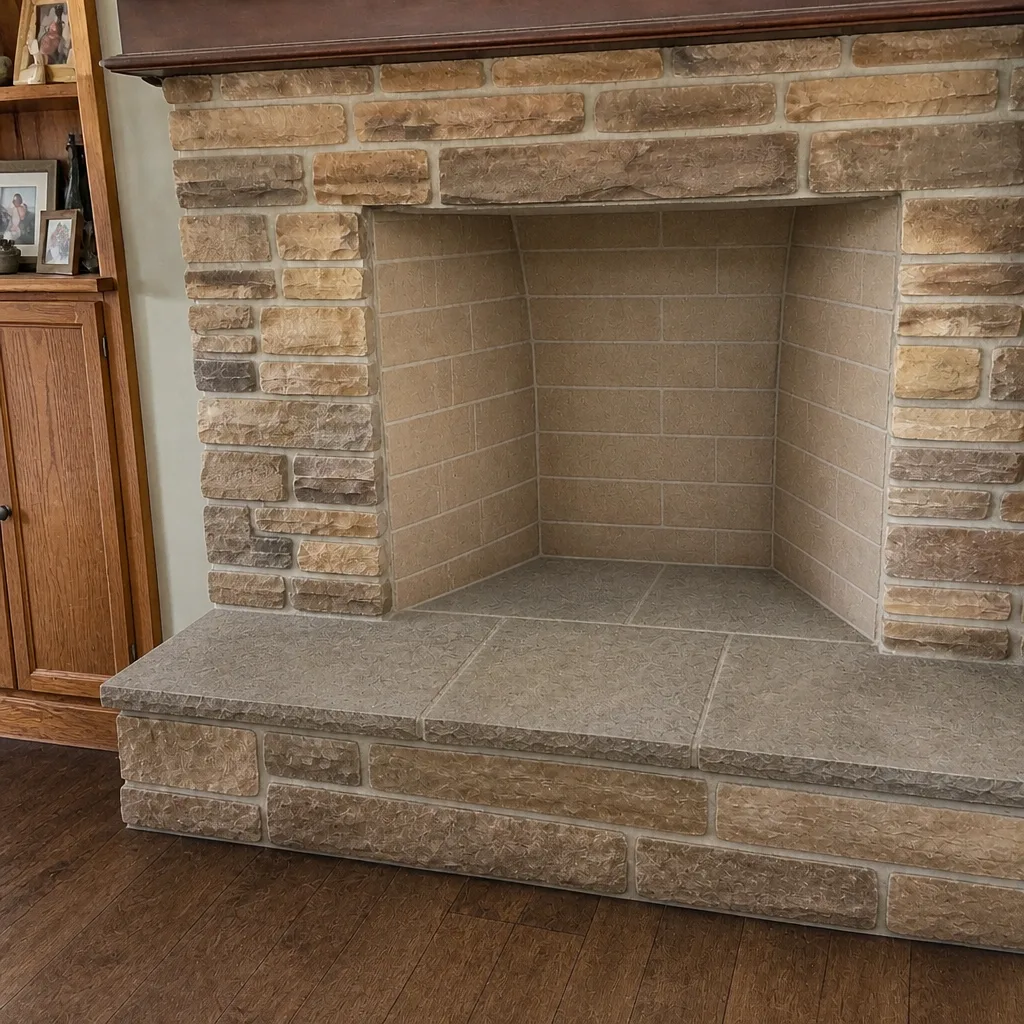
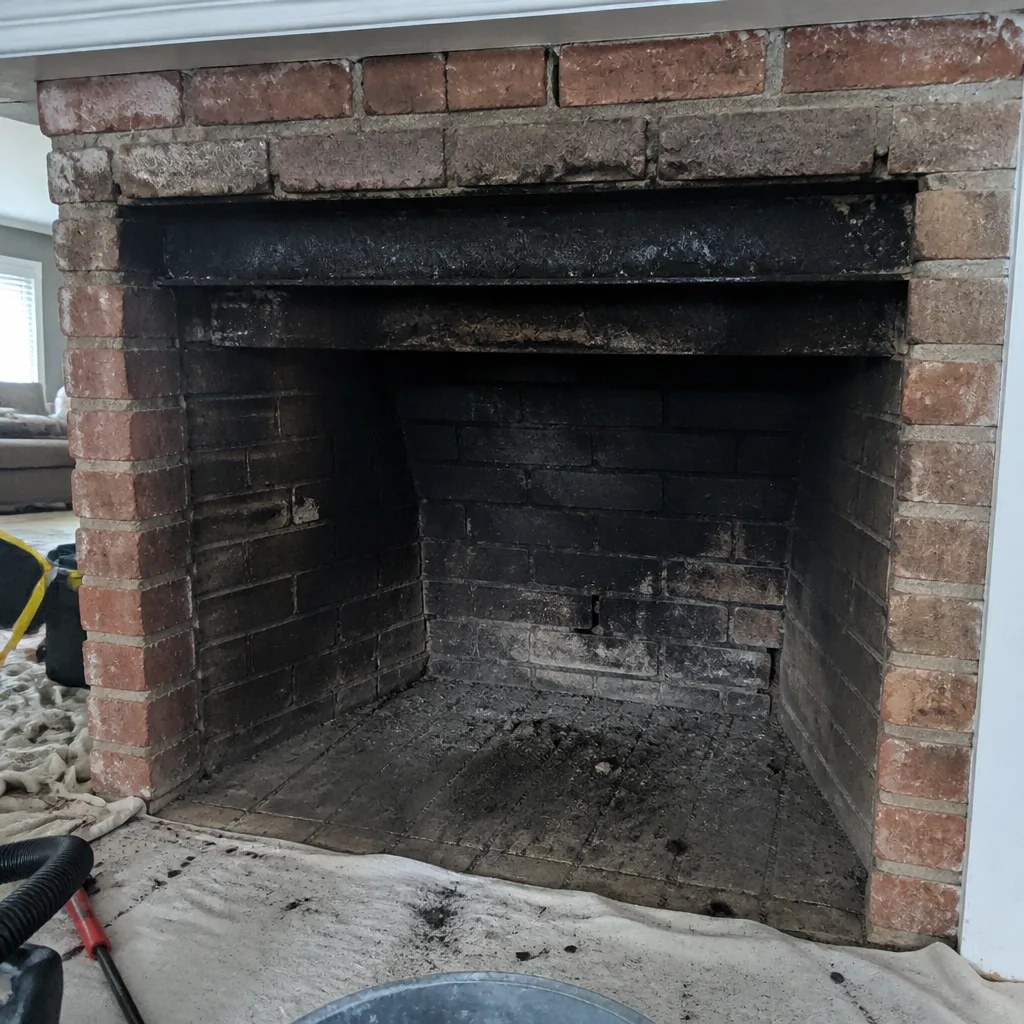
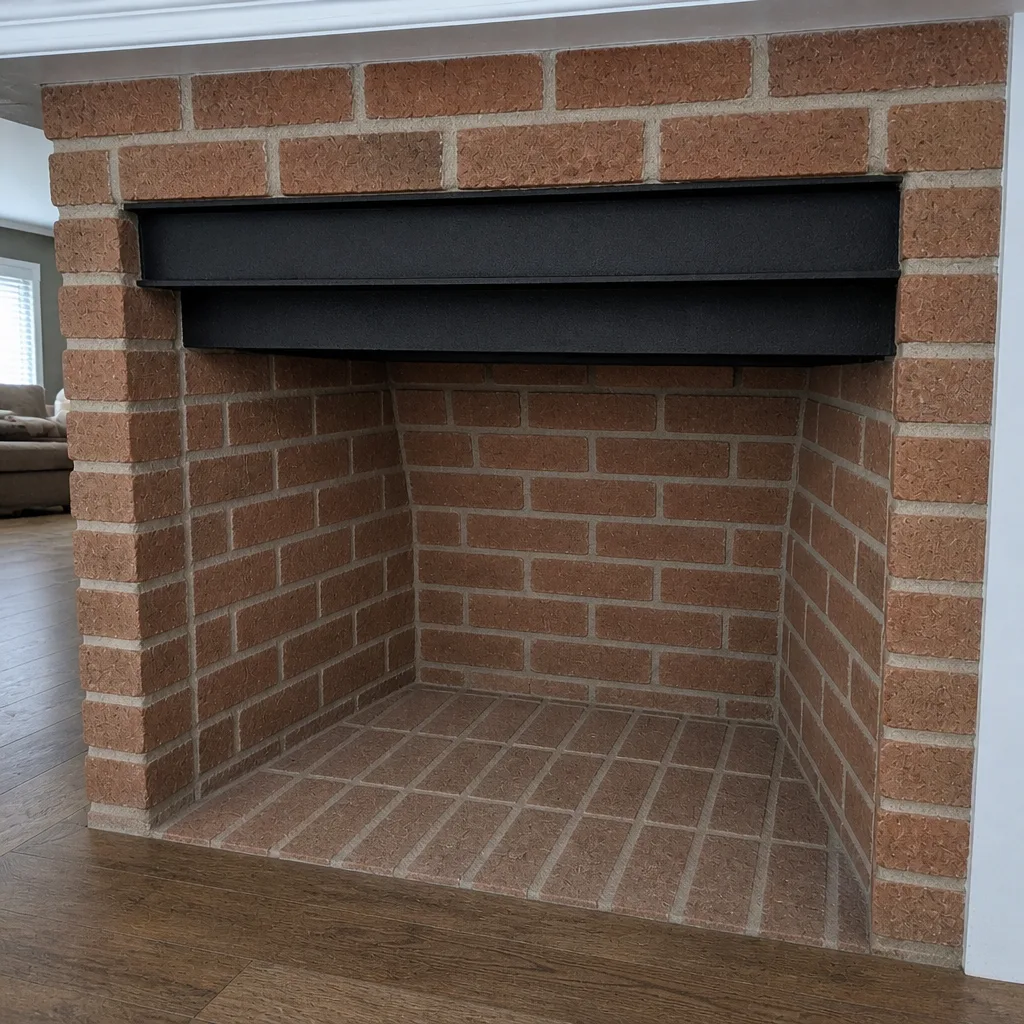
See the difference
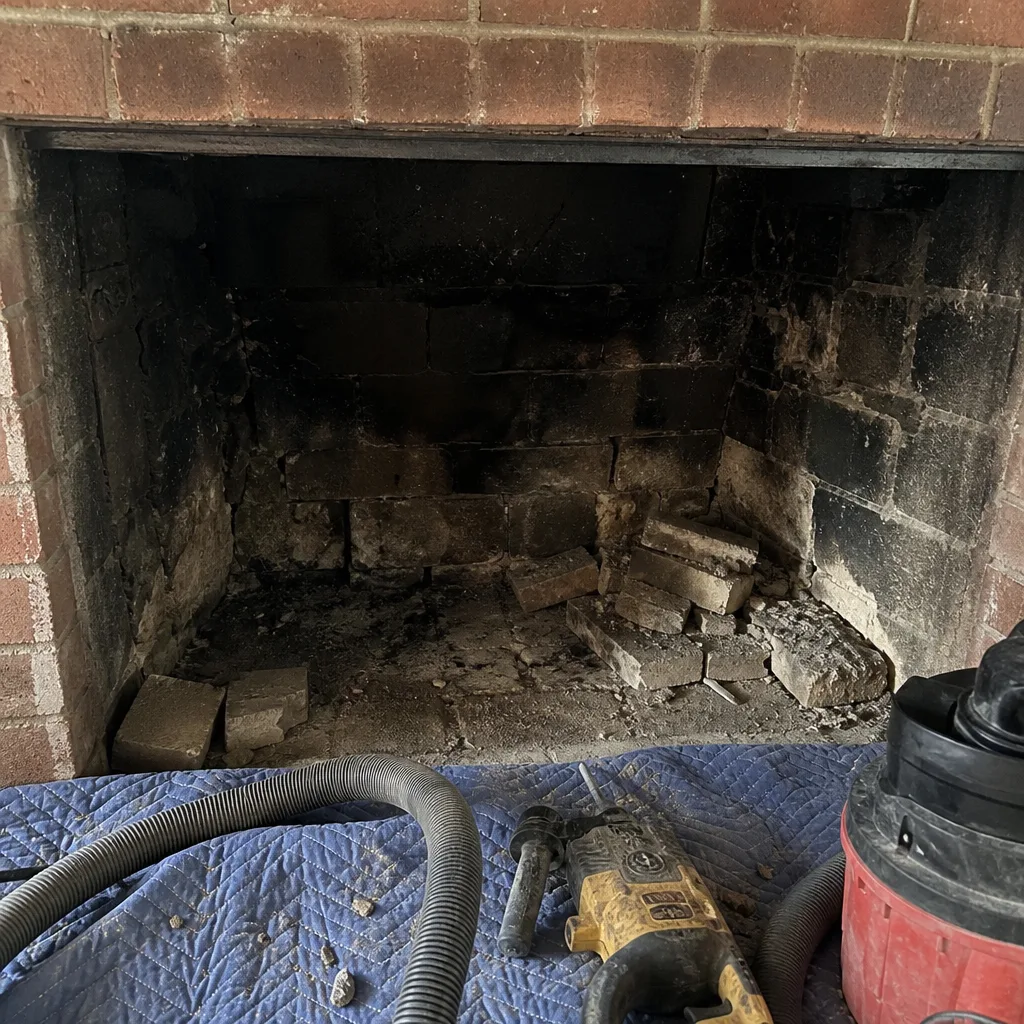 Before
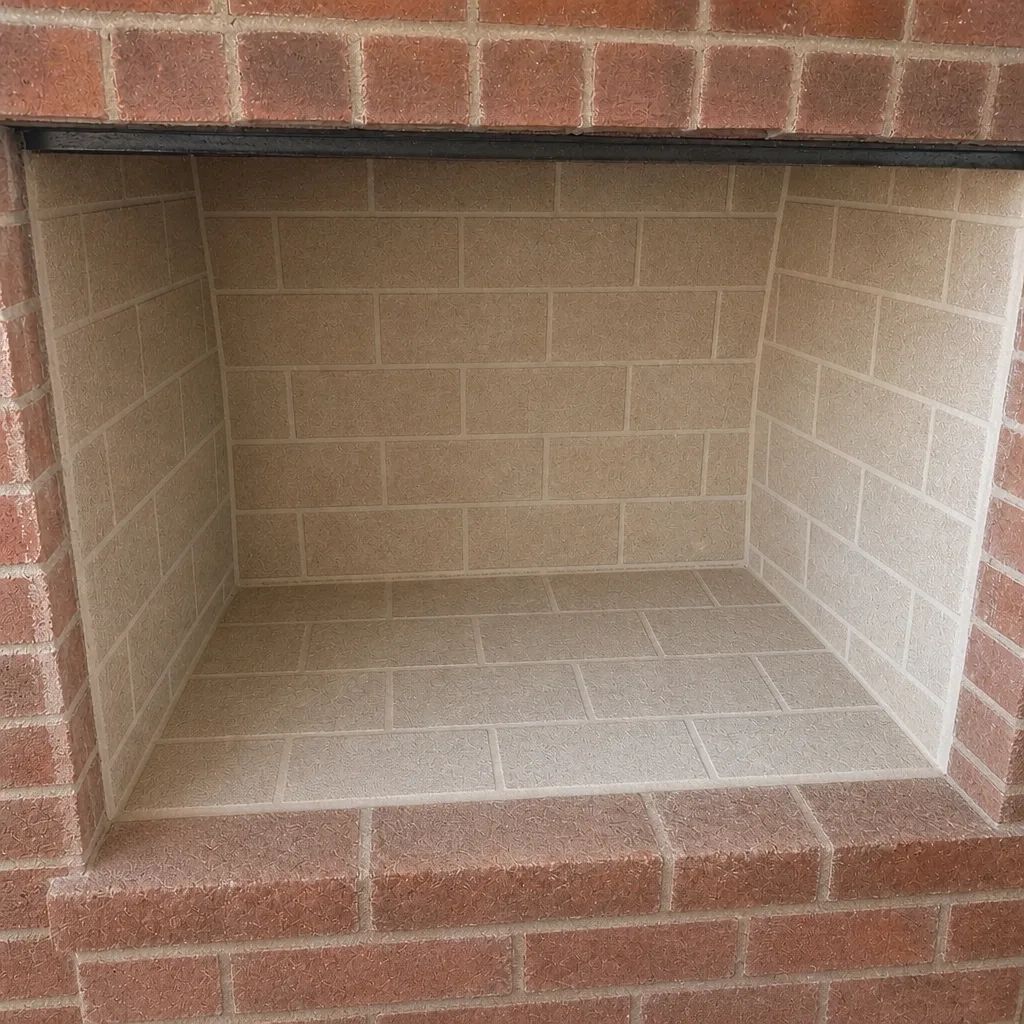 After
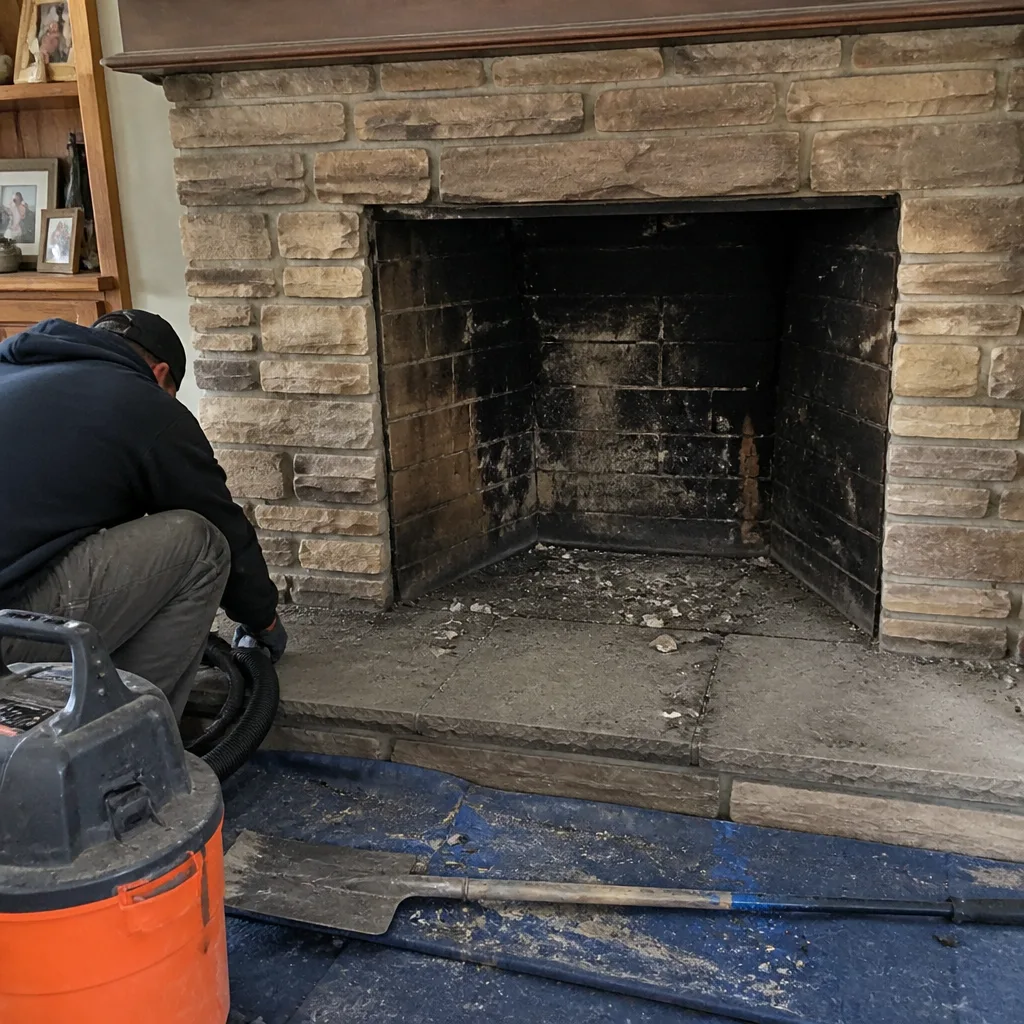 Before
 After
 Before
 After
When to Call a Professional
Some chimney symptoms are worth a call even if you’re not sure yet. Call if smoke comes into the room every time you light a fire, if you see white staining on the brick, if you smell creosote in summer, if there’s water in the firebox, if the damper won’t close, or if you haven’t had the chimney inspected in a year and you burn regularly. Those are the signals that a camera inspection and a proper diagnosis will save you a bigger repair later. If you’re in Draper and you’re not sure, we offer free estimates and a written quote that sets the price, and we tell you plainly when work can safely wait. Draper Chimney Sweep offers free estimates in Draper. Call (855) 658-4373. We answer 24/7. Fast dispatch from 7am to 7pm, Sunday through Friday.
Frequently Asked Questions
Smoke backdraft and slow drafts are the most common complaints we hear in Draper, because the elevation and winter inversions make draft problems show up more than they do at lower elevations. Those symptoms usually trace back to a blocked flue, a cap issue, or a pressure problem rather than a structural failure. A camera inspection pins down which one, and most of those fixes are quick. Call (855) 658-4373 for an exact quote.
A cold flue and a weak pressure differential cause most first-light smoke. The flue is full of cold, dense air, and until it warms up the smoke has nowhere to go but into the room. If it clears up after a few minutes, the chimney is drawing once warm; if it keeps smoking, the flue is blocked or undersized and needs to be looked at. Call (855) 658-4373 and we’ll take a look.
Yes, and it’s usually a creosote-and-downdraft problem rather than anything mysterious. Creosote on the flue walls absorbs humidity and gives off odor, and a downdraft pushes it into the house. A proper sweep, a damper that seals, and a correctly fitted cap usually solve it. Call (855) 658-4373 to schedule a sweep before burning season.
We advise against it. A flue that’s partially collapsed or a nest that gives way while you’re working on it can trap or injure you, and roof work is where most chimney injuries happen. A homeowner can safely run the firebox-level checklist above, but the cleaning itself should go to a trained sweep with the right equipment. Call (855) 658-4373 for an exact quote.
White, chalky staining on exterior brick, called efflorescence, means water is moving through the masonry and pushing salts to the surface. The staining itself is cosmetic, but the water path that causes it isn’t. A failed crown, a cracked flue tile, or a missing cap is usually the source, and it’s worth a camera inspection before the freeze-thaw cycle makes it worse. Call (855) 658-4373 for an estimate.
An annual inspection is the standard recommendation for any chimney in regular use, and a sweep whenever the flue has enough creosote to warrant it. Burning regularly through a Draper winter means scheduling before the season starts so there’s time to fix whatever the inspection finds. A standalone inspection is also available if you’re buying or selling a home and need an objective condition report. Call (855) 658-4373 for an exact quote.
The Bottom Line
Most chimney complaints that homeowners in Draper live with, from smoke rolling into the room to a campfire smell in July, are diagnosable symptoms with specific causes. The pattern holds across all of them: a symptom points to a flue, cap, damper, or moisture problem, and a camera inspection confirms which one before any repair is recommended. Elevation and winter inversions make draft issues more noticeable here than at lower altitudes, and a Utah winter turns small water intrusions into bigger repairs. The takeaway is simple. Notice the symptom, run the firebox checklist, and get a proper look at the flue before the next burning season. Trade-grade materials and an honest diagnosis beat a workaround every time.
Written by the team at Draper Chimney Sweep.
Call (855) 658-4373 for a free estimate. We answer 24/7. Fast dispatch from 7am to 7pm, Sunday through Friday. When a camera inspection turns up a problem, our technicians can handle the Draper Chimney Sweep work, the fireplace repair, and the cap and crown installation in the same visit, so you’re not handed off mid-project.