
Last updated November 24, 2026
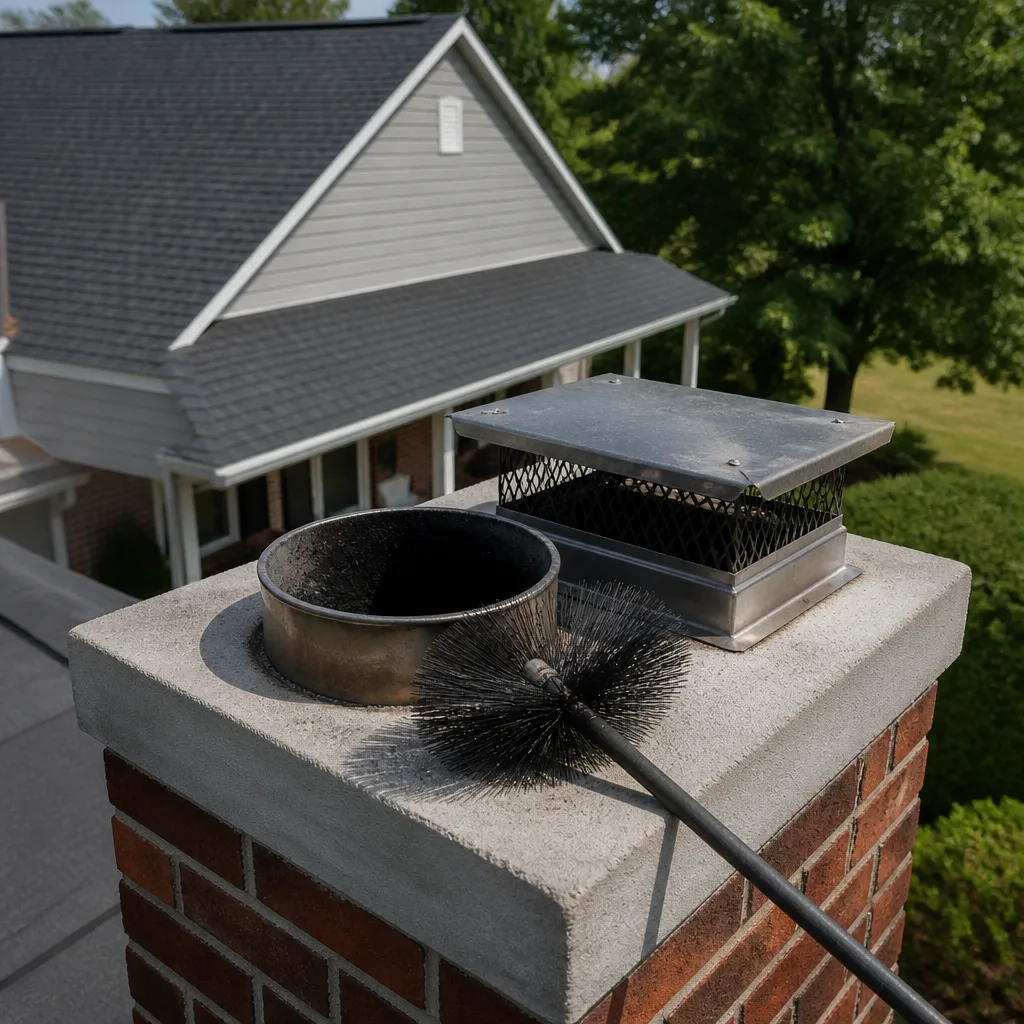 Sweep & inspection
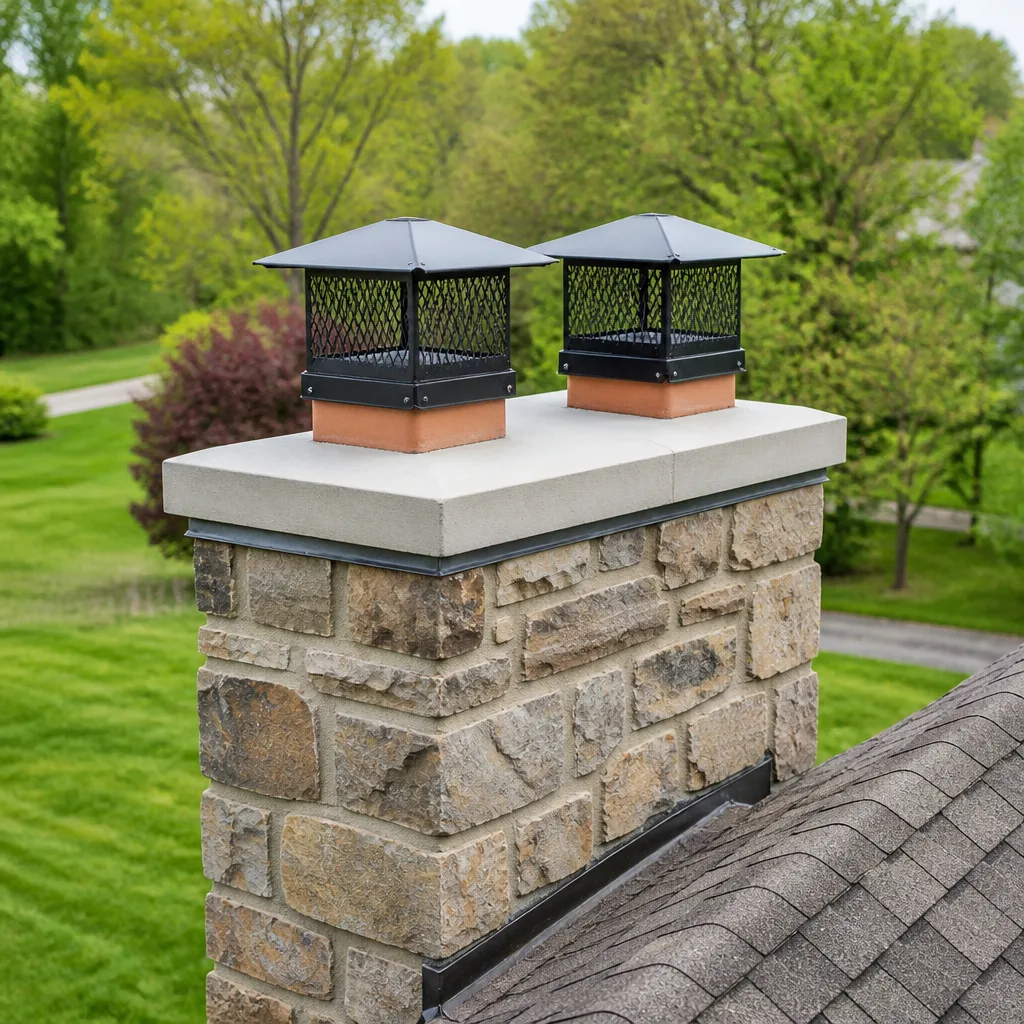 Caps & crowns
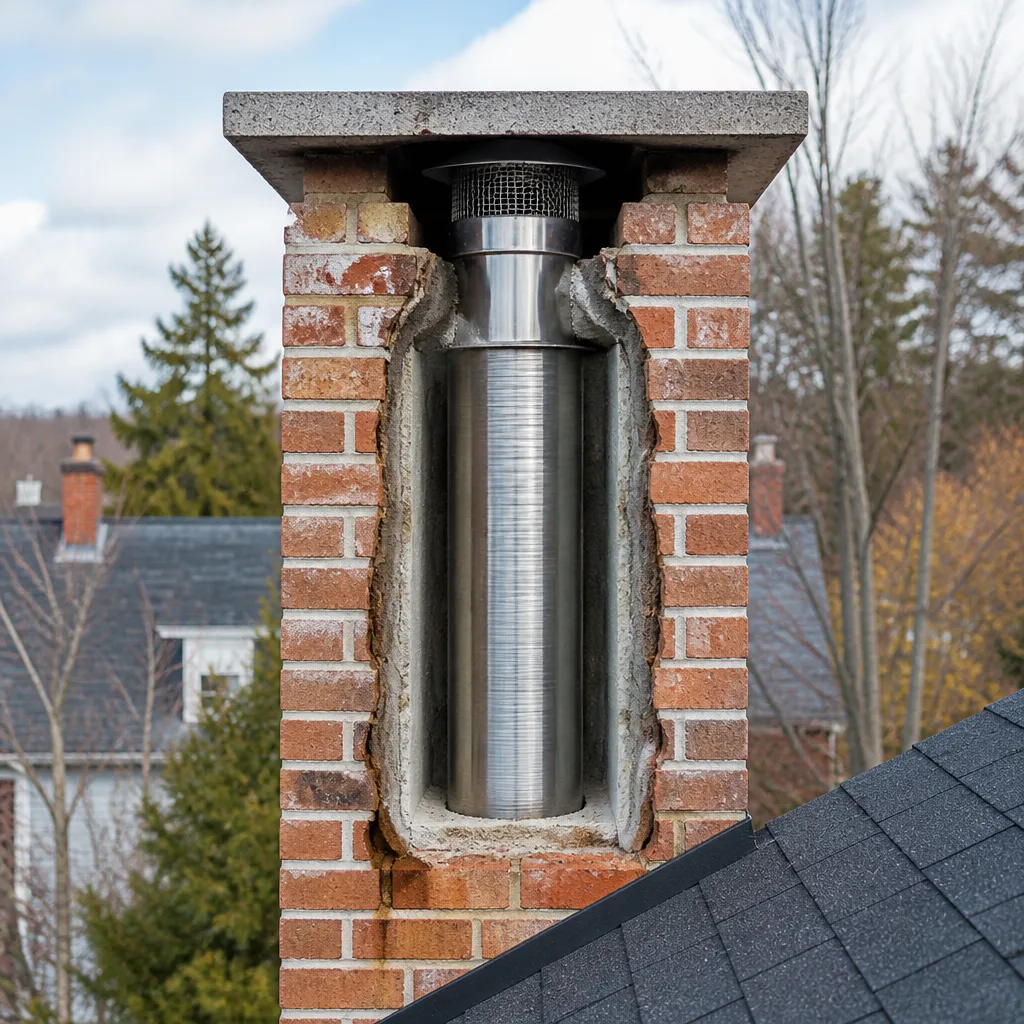 Flue relining
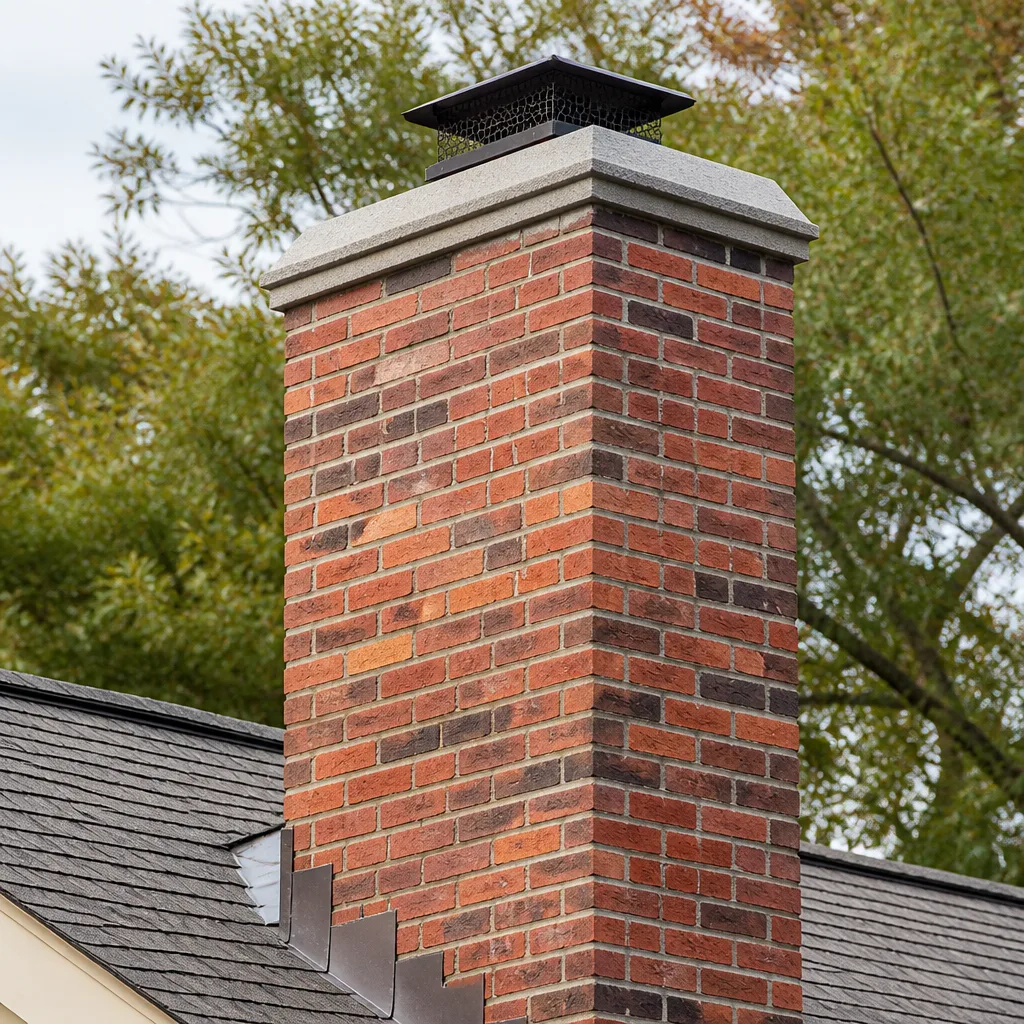 Masonry repair
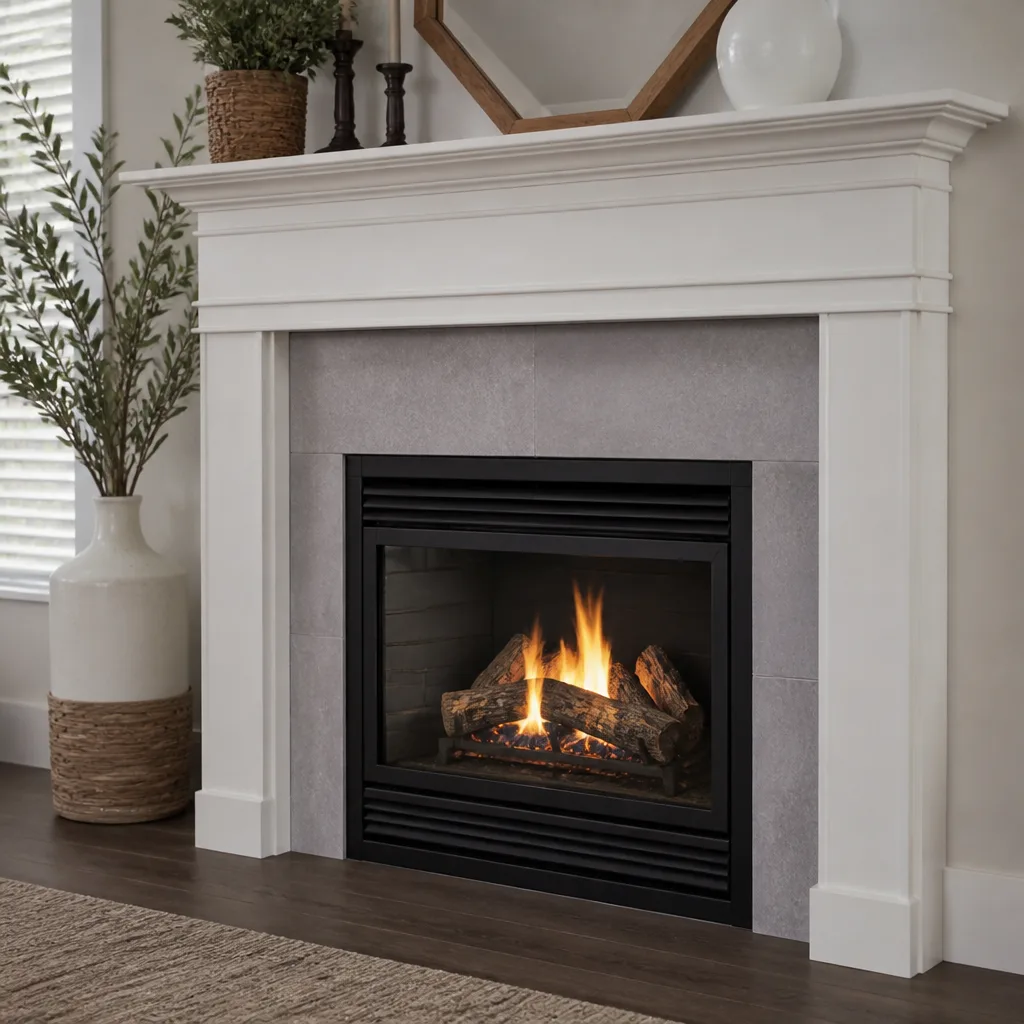 Gas fireplace service
Level 1 sweep and inspection to the NFPA 211 annual standard - flue, crown, cap, and flashing checked and photographed
Chimney sweep logs do not sweep chimneys. They loosen some creosote - which then falls where a brush and vacuum still have to collect it.
The Complete Guide to Chimney Cleaning in Draper
Most chimney guides are written for a hypothetical homeowner in a hypothetical climate. Draper sits at roughly 4,500 feet, runs through some of Utah’s worst air-quality inversion months, and has a housing stock heavily weighted toward wood-burning inserts. None of that shows up in the national advice you’ll find on a big home-improvement blog, and it changes how often your flue actually needs attention. As a specialist working in Draper, we wrote this guide to map the cleaning process to the conditions you actually live with: elevation, inversion seasons, and the appliances in your fireplace opening. Below you’ll learn how creosote builds here, why inserts are routinely under-cleaned, what a real professional cleaning involves step by step, and the red flags that turn a routine sweep into a repair conversation.
Quick Answer
Chimney cleaning in Draper means brushing and removing creosote and soot from the flue, firebox, smoke chamber, and cap, then inspecting the whole system for cracks, blockages, and water damage. Most wood-burning homes here need a cleaning once a year, and any insert that’s been used heavily through the winter should be checked before the burning season starts. A real cleaning is also an inspection, so you leave with a clear picture of your chimney’s condition and a written estimate if anything needs repair.
Styles & brands we work with
- Sweep & inspection
- Caps & crowns
- Flue relining
- Masonry repair
- Gas fireplace service
Table of Contents
- Why Chimney Cleaning in Draper Isn’t Generic
- Open Fireplace, Prefab, or Insert: What Changes the Cleaning
- What a Full Professional Cleaning Involves, Step by Step
- The NFPA 211 Standard and What It Means for You
- How Often Should You Clean a Chimney in Draper?
- Red Flags That Escalate Cleaning to Repair
- Why an Inspection Should Stand on Its Own
- What Chimney Cleaning Costs and How We Price It
Why Chimney Cleaning in Draper Isn’t Generic
Chimney cleaning in Draper is shaped by conditions you won’t find in a coastal or low-elevation city. When you understand those conditions, the service schedule stops being arbitrary and starts making sense.
Start with elevation. Draper runs at roughly 4,500 feet, and the air is thinner up here. Wood burns with less oxygen feeding the fire, and a fire that’s starved for air doesn’t combust as completely. Incomplete combustion is where creosote comes from: unburned wood gas cools as it rises and condenses on the flue walls. A homeowner at sea level burning the same cord of wood under the same habits can end up with a different creosote pattern than a Draper homeowner does. That’s one reason we don’t hand out a single national cleaning interval and call it done.
Then there’s winter air. During the colder months the valley settles under temperature inversions, when a layer of warmer air traps colder air and smoke near the ground. On those days, wood smoke lingers over neighborhoods on the east bench and along the Draper foothills instead of dispersing. We’re not going to tell you when you can and can’t burn, and your city and county set the rules on that. What we will say is that a poorly drafting chimney on an inversion day pushes more smoke back into your home, and a clean, clear flue drafts better. If you notice your fireplace smoking into the room more often than it used to, that’s worth a look before the season gets going.
The third factor is what’s inside the homes. A large share of Draper houses were built or updated around a wood-burning insert set into an existing masonry fireplace. Inserts run hotter and more efficiently than an open hearth, which sounds like good news for creosote. It isn’t always. The smaller flue they vent through, and the way some are connected, means deposits can build in places a quick visual check never reaches. Our technicians have up to 11 years of experience across these setups, and the pattern we see is consistent: inserts are the most commonly overlooked appliances when it comes to cleaning.
Open Fireplace, Prefab, or Insert: What Changes the Cleaning
The appliance in your fireplace opening decides the scope, the tools, and the time a cleaning takes. These three setups are not cleaned the same way, and treating them alike is where bad work happens.
Open masonry fireplace
This is the classic brick firebox feeding into a masonry flue with a clay tile liner. Cleaning means brushing the full run of the flue, vacuuming out the firebox and smoke chamber, and inspecting the clay tiles for cracks and gaps. The smoke chamber above the damper is a spot many quick sweeps skip. It’s also one of the places creosote glazes onto angled surfaces where a straight brush won’t reach.
Prefabricated fireplace
A prefab unit has a factory-built metal firebox and a liner system, often double or triple wall. These are common in newer Draper construction. Cleaning looks similar on the surface, but the liner has to be treated carefully: the wrong brush or an aggressive technique can damage a metal liner. Inspecting the joints and connections matters as much as brushing the flue.
Wood-burning insert
An insert is the one we flag most often. Many homeowners assume the glass door and the firebrick look fine, so the unit is fine. The creosote lives above and around the insert, in the flue it vents through and in the connection between the stove and the chimney. Because the firebox itself stays relatively clean, an insert can look well-maintained while its flue is loaded. Cleaning means pulling what’s needed to access the flue, brushing it properly, and inspecting the whole connection. This is where an annual appointment pays for itself.
If you’re not sure which type you have, that’s fine. Tell us what you see when you look at your fireplace and we can usually narrow it down before we arrive. Our chimney sweep covers all three, and if we find damage while we’re there, we handle the repair rather than handing you a referral.
What a Full Professional Cleaning Involves, Step by Step
A proper cleaning is a sequence, not a single pass with a brush. Here’s the order we work in, so you know what to expect when someone arrives at your Draper home.
- Set up protection. Drop cloths go down around the hearth, and a high-powered vacuum with the intake sealed to the fireplace opening controls dust from the first minute. You shouldn’t have to cover your furniture afterward.
- Inspect before cleaning. We look at the firebox, damper, smoke chamber, flue, cap, and crown before anything gets touched. This tells us whether it’s safe to proceed and what the cleaning needs to address.
- Clear the firebox and smoke chamber. Soot and ash come out, and the angled surfaces of the smoke chamber get brushed. This is the section above the damper that most chimney fires start in, and it’s routinely neglected.
- Brush the flue. The right brush for the liner type goes the full run, top to bottom. On a masonry chimney that’s a poly or wire brush depending on the tile condition; on a metal liner it’s a softer tool. Glazed, hard creosote may need extra passes or a chemical agent to break it down safely.
- Clean the firebox floor and grate. Ash removal and a final vacuum leave the opening ready to use.
- Check the cap and crown. The cap keeps rain, snow, and animals out of the flue, and the crown sheds water off the chimney top. Both get inspected for cracking, rust, or gaps.
- Document what we found. Anything that needs attention gets photographed and explained, with a written estimate if repair is needed. You see the condition of your own chimney, not just a verbal summary.
Cleaning and inspection happen together, but the inspection is the part that protects your home. What we find there decides whether the job was a cleaning or the start of a repair.
The NFPA 211 Standard and What It Means for You
NFPA 211 is the national standard covering chimneys, fireplaces, vents, and solid-fuel appliances. One of the practical takeaways is a simple one: chimneys, fireplaces, and vents should be inspected at least once a year, and cleaned as needed based on that inspection. For a Draper homeowner, that standard is the reason annual service makes sense, even in a year you didn’t burn much.
Here’s the part people miss. The standard calls for an inspection, not a cleaning on a timer. A chimney that was used lightly may not need brushing, but it still needs the annual look, because problems like a cracked tile, a loose cap, or a gap in the crown don’t announce themselves. They show up on inspection long before they show up in your living room.
In practice, following NFPA 211 in Draper looks like a yearly visit that inspects the full system: firebox, damper, smoke chamber, flue, cap, and crown. Level one is the standard annual inspection for a chimney in normal use. If you’re buying or selling a home, or if the appliance changed or there’s been a chimney fire, a more detailed inspection is warranted. We offer chimney inspections as a standalone service for exactly this reason, because a buyer, a seller, or a cautious homeowner should be able to get an honest assessment without being sold a cleaning they don’t need.
Annual inspection also keeps the smaller problems small. A hairline crack in a crown that gets sealed quickly is a minor repair. Left alone through a few freeze-thaw winters, the same crack lets water into the masonry, and that’s when the cost jumps. The freeze-thaw cycle along the Draper foothills is hard on masonry, and the crown and cap take the worst of it.
How Often Should You Clean a Chimney in Draper?
Once a year is the working answer for most Draper homes, with a yearly inspection no matter what. How much you burn is the biggest variable, and the appliance type runs a close second.
- Heavy use: If you burn regularly through the winter, plan on an annual cleaning, and don’t wait until the first cold snap to book it. Fall fills up fast, and the air-quality months are when everyone remembers their chimney at once.
- Inserts and prefabs: The same yearly schedule applies, but the inspection matters more here, because the firebox can look clean while the flue and connection build up.
- Light or occasional use: You still need the annual inspection per the NFPA 211 guidance, but the cleaning may be lighter or deferred based on what we actually see in the flue.
- After a chimney fire: Any chimney fire, even one that seemed to go out on its own, calls for an inspection before the next fire. Creosote that burned can leave the liner compromised.
If you’ve moved into a Draper home and don’t know when the chimney was last serviced, the safe move is to book an inspection before lighting a fire. You’ll get a clear answer about whether a cleaning is needed and whether anything is unsafe, and we’ll tell you plainly if the work can wait. When you need us, we’re built to service the whole chimney rather than just the flue, so a cleaning appointment that turns up a liner problem doesn’t become a second appointment with a different company.
Red Flags That Escalate Cleaning to Repair
Most cleaning appointments stay simple. Some uncover something that needs fixing, and knowing the warning signs helps you understand what you’re looking at when we point it out.
- Glazed, tar-like creosote: Hard, shiny creosote is the third and most flammable stage. It doesn’t brush off easily and raises the risk of a chimney fire, so it may need chemical treatment before cleaning can be complete.
- Cracked or missing flue tiles: Gaps in the clay liner let heat and smoke reach the structure around the flue. That’s a liner conversation, not a cleaning one.
- A damaged or missing cap: Without a cap, rain, snow, and animals get in. A cap replacement is one of the most common and most worthwhile repairs we make, and we install Gelco and Famco caps that are built for the job.
- A cracked crown: Water pooling at the top of the chimney is the start of a long list of masonry problems. Sealing or rebuilding the crown stops it early.
- Rust on the firebox, damper, or a prefab unit: Rust usually points to water getting in from above, which means the source needs to be found, not just the metal cleaned.
- Smoke rolling into the room, or a smell even when the fireplace is cold: This points to a draft or blockage problem that needs diagnosing before the next fire.
When we find any of these, we don’t just clean around them. We fix them in the same company, with trade-grade materials. That includes HeatShield ceramic resurfacing, a specialized method for repairing a deteriorated flue liner that extends the life of the chimney without a full reline, and a capability most generalist sweepers don’t offer. If a full reline is what’s needed, we work with DuraFlex liner systems. Either way, the point is that diagnosis and repair happen with one company.
Safety matters here, and we treat it that way. Creosote buildup is the fuel source for chimney fires, and a blocked or broken flue can let carbon monoxide back into a home. That’s the reason we recommend a trained professional for anything beyond routine brushing. We don’t hand out do-it-yourself steps for opening up a flue or working on a liner, because the wrong move there is a real risk. A cleaning and inspection done right is the safest path, and it tells you exactly where you stand.
Why an Inspection Should Stand on Its Own
Plenty of chimney companies treat inspection as a line item attached to a cleaning, which turns every visit into a pitch. We think an inspection should be something you can buy on its own, especially in Draper where the home market moves and buyers want an objective answer before closing.
A standalone chimney inspection is a documented condition assessment of the firebox, damper, smoke chamber, flue, cap, and crown. We look at the whole system, photograph what matters, and give you a clear report. If a cleaning is warranted, we say so. If a repair is warranted, you get a written estimate. If the chimney is in good shape and the work can wait, we say that too.
That matters most for three groups. Homebuyers want to know what they’re taking on before they commit. Sellers want to clear a condition issue before it becomes a negotiation problem. And homeowners who’ve been told they need expensive liner or masonry work want a second opinion they can trust, backed by photographic evidence rather than a sales pitch. A real inspection gives everyone the same thing: a factual picture of the chimney, in writing, with no obligation.
Whether it’s a yearly check, a pre-sale inspection, or a second opinion, an honest assessment is the starting point for everything else. That’s why we offer chimney repair as a service that starts with inspection rather than an assumption, so you never pay for work that isn’t needed.
What Chimney Cleaning Costs and How We Price It
Chimney cleaning in Draper is priced per job by a written estimate, not by a flat national rate. The estimate is free, and the written estimate sets the final price. Several things move the number:
- Appliance type: An insert or prefab unit that needs access work is a different scope than an open masonry fireplace.
- How much buildup there is: Glazed creosote takes more time and sometimes treatment.
- Whether repair is needed: A cap, crown, or liner issue changes the job from cleaning to repair, and that gets quoted separately and clearly.
- Access and condition: A chimney that’s been neglected for years takes more work to bring back to a clean, safe state.
We don’t quote over the phone with guesses or surprise you on arrival. You get a written estimate, and the final price is what the estimate says. If your chimney only needs a cleaning, that’s what the estimate covers. If it needs a new cap or crown, we install Gelco, Famco, or Copperfield products and price the materials in the estimate. If it needs a liner, we use DuraFlex or HeatShield and explain why in plain language, with photos of the condition we found.
The one thing you can count on is transparency. Nothing is recommended without evidence you can see for yourself, and if the work can safely wait, we’ll tell you. For pricing on a particular chimney, the fastest path is an appointment and a free estimate.
Common Mistakes to Avoid
- Skipping the inspection because the fireplace looks clean. The appliance inside your firebox can look fine while the flue above it is loaded with creosote. An inspection is the only way to know.
- Assuming an insert doesn’t need cleaning. This is the mistake we see most in Draper. Inserts are efficient, but their flues build up, and many go years past due.
- Hiring a sweep who cleans but doesn’t inspect. A brush-and-go visit misses cracks, a compromised cap, or water damage that needs attention. Cleaning and inspection belong together.
- Waiting until the first cold week to book. Fall gets crowded. Book in the late summer or early fall so you’re ready before the burning season starts.
- Ignoring a cracked crown. Water is the slow killer of masonry, and the crown is where it gets in. Freeze-thaw winters in Draper make a small crack a bigger repair over time.
- Letting a hard, glazed creosote layer stay put. Glazed creosote is the most flammable stage, and it’s the reason chimney fires happen. It needs to be removed, not brushed past.
- Treating an inspection as a sales pitch rather than a report. A good inspection gives you evidence, not pressure. If someone can’t show you the condition they’re charging you for, ask for photos.
See the difference
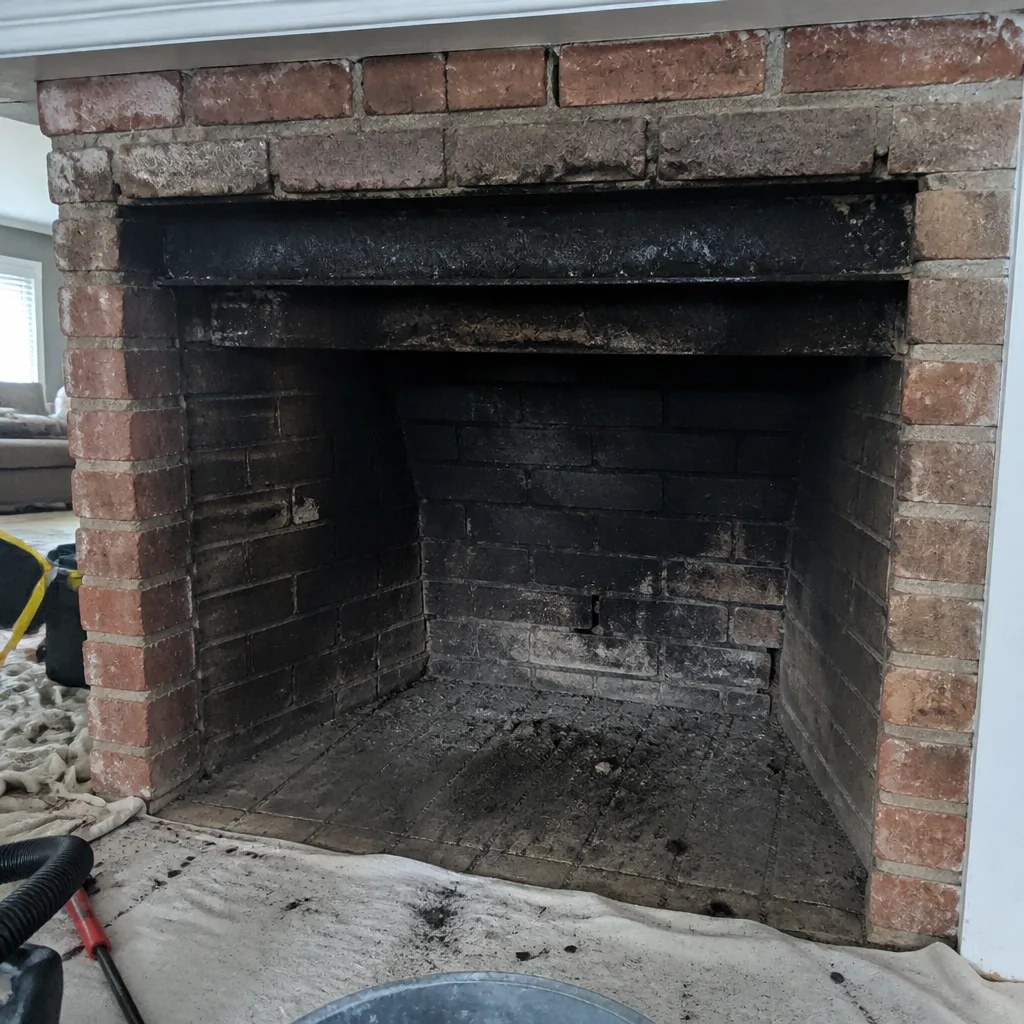
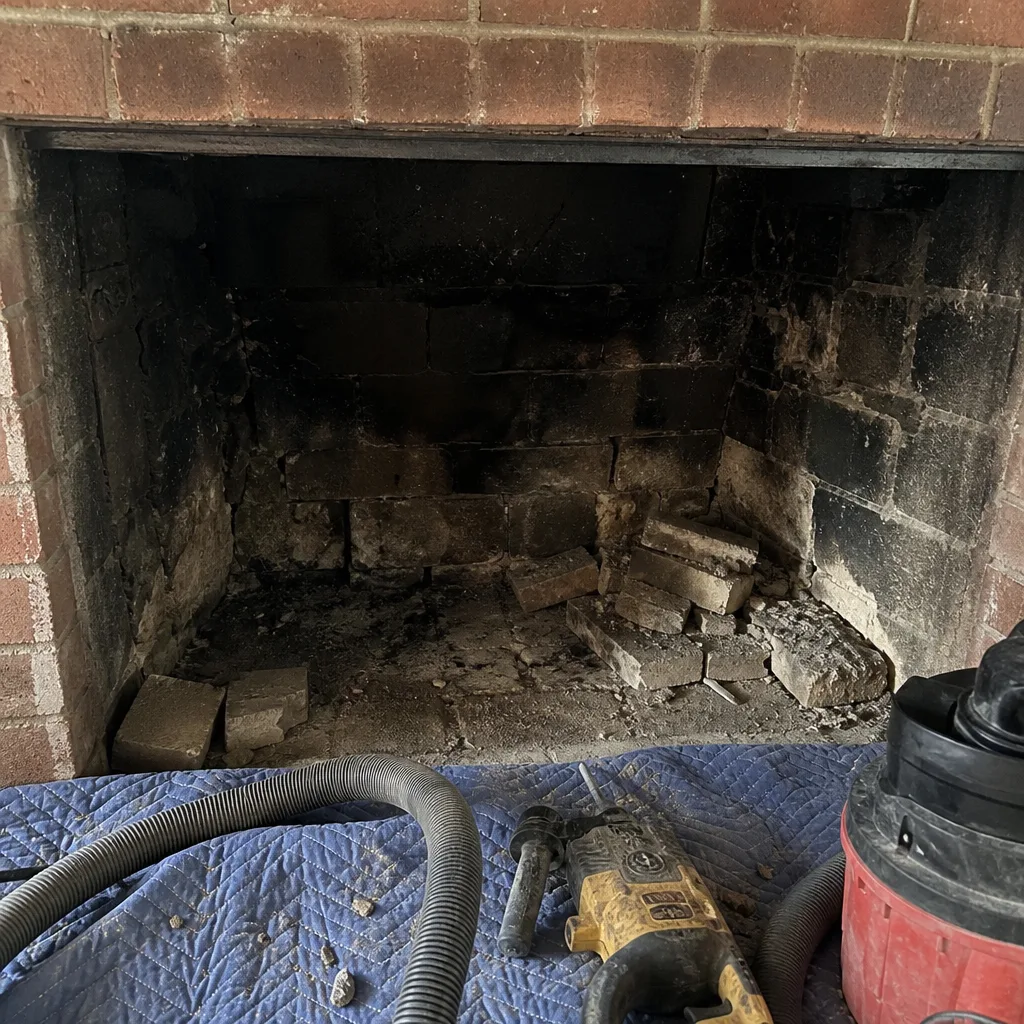 Before
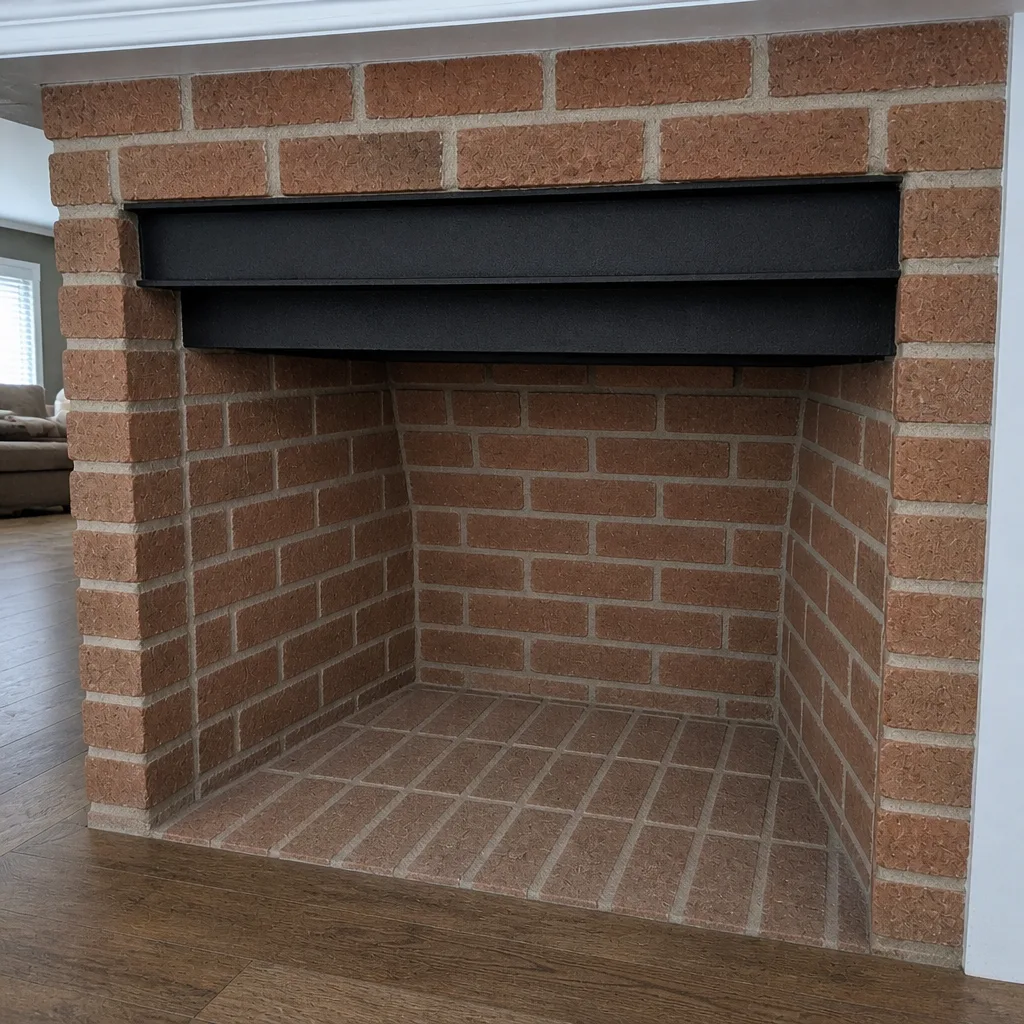
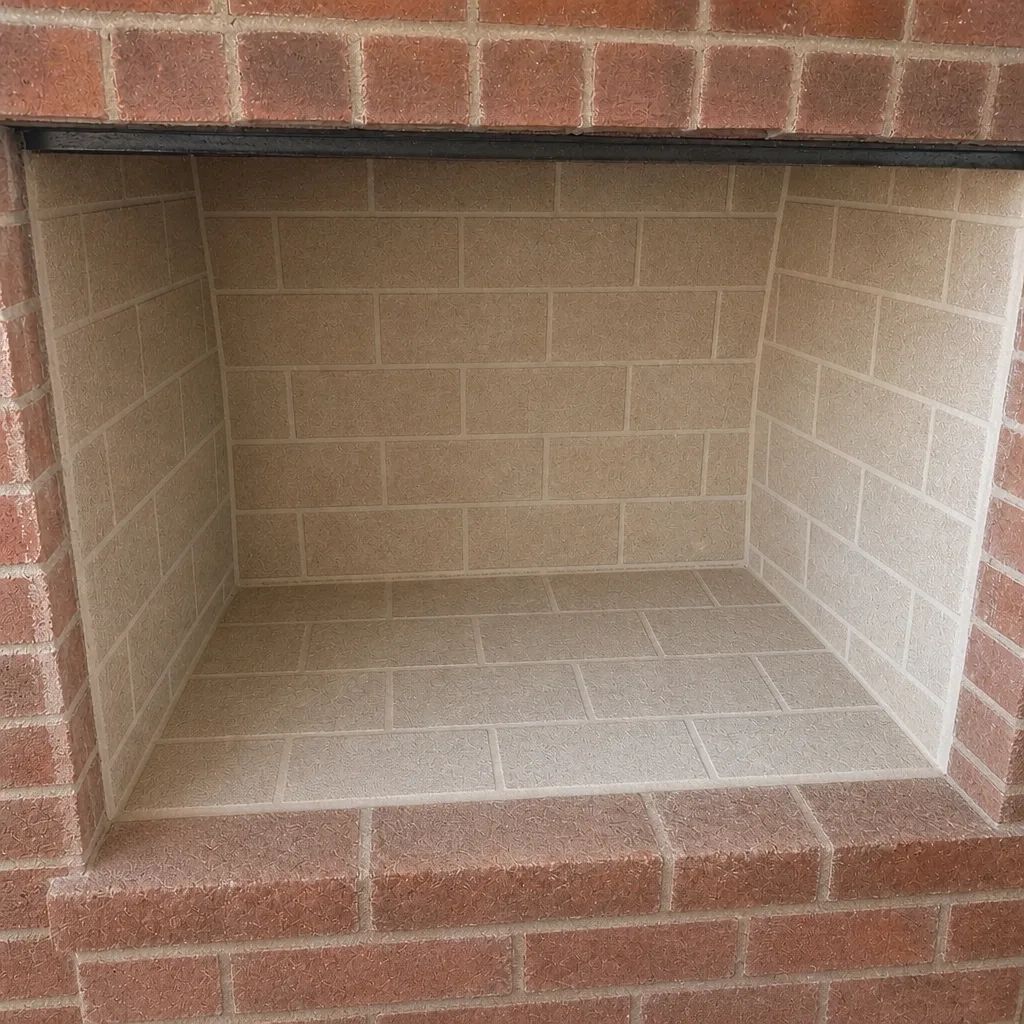 After
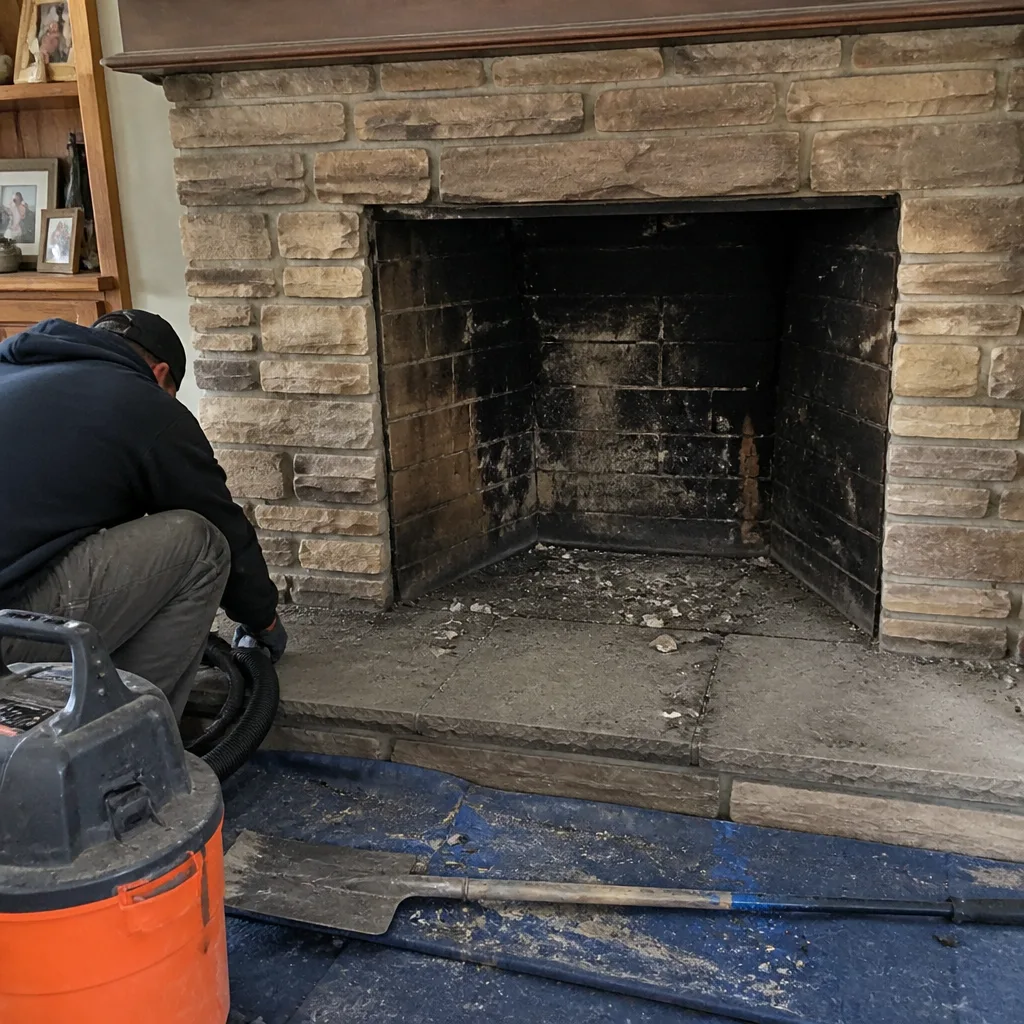 Before
 After
 Before
 After
When to Call a Professional
Call a professional when you don’t know the last time your chimney was cleaned, when you’ve moved into a home with a fireplace, or when anything in the list above shows up. Call if you’re selling and need a pre-sale inspection, or buying and want an objective picture before closing. Call if a cleaning appointment turned up a liner or crown problem and you want it fixed in the same visit rather than handed to a subcontractor. And call before your next fire if the chimney smoked into the room last season or you’ve had a chimney fire. We handle cleaning, inspection, and repair with one company, trade-grade materials, and an estimate you can see in writing. Draper Chimney Sweep offers free estimates in Draper; call (855) 658-4373. We answer 24/7. Fast dispatch from 7am to 7pm, Sunday through Friday.
Frequently Asked Questions
It depends on the appliance type, how much buildup there is, and whether repair is needed, so we price per job by written estimate. The estimate itself is free, and the written estimate sets the final price, with no surprise add-ons. Call (855) 658-4373 for an exact quote – estimates are free.
Plan on an annual cleaning with a yearly inspection, per the NFPA 211 guidance that chimneys be inspected at least once a year and cleaned as needed. Draper’s elevation and inversion-season burning habits mean a clean, clear flue drafts better, so annual service is the simplest way to stay ahead of buildup. Call (855) 658-4373 to book an inspection.
Yes, and inserts are the most commonly under-cleaned appliance we see in Draper. An insert’s firebox can look clean while its flue and connection build up creosote, because the appliance burns differently than an open hearth. The annual inspection catches what a visual glance at the firebox misses. Call (855) 658-4373 to schedule one.
Creosote keeps accumulating in the flue, and a thick enough layer is the fuel source for a chimney fire. A blocked or damaged flue can also let smoke and carbon monoxide back into the home. Skipping the cleaning doesn’t save money, it just delays the day you have to deal with it. Call (855) 658-4373 for an honest assessment – estimates are free.
Yes. An inspection is a standalone service, not just an upsell attached to a cleaning. That’s useful for homebuyers, sellers, and anyone who’s been told they need expensive work and wants an objective, photographed assessment before committing. Call (855) 658-4373 to book an inspection.
Yes, one company handles diagnosis and repair. If we find a cracked crown, a failed cap, or a damaged liner during a Draper cleaning, we fix it with trade-grade materials like Gelco caps, HeatShield resurfacing, or DuraFlex liner systems, quoted in writing. Call (855) 658-4373 and we’ll book the estimate.
The Bottom Line
Chimney cleaning in Draper isn’t a generic annual habit; it’s shaped by elevation, inversion-season burning, and a lot of wood-burning inserts that go under-serviced. The reliable schedule is a yearly cleaning plus a yearly inspection, with the inspection being the part that protects your home. Expect a written estimate with free pricing, evidence you can see, and repairs handled by the same company with professional-grade materials like HeatShield, DuraFlex, Gelco, Famco, Olympia Chimney, and Copperfield components. If you’re not sure where your chimney stands, start with an inspection and go from there. For an honest, full-service assessment, look to our Draper Chimney Sweep services, and when a cleaning turns up a fireplace or insert issue, our fireplace repair team handles it in the same visit. Call (855) 658-4373 for a free estimate. We answer 24/7. Fast dispatch from 7am to 7pm, Sunday through Friday.
Written by the team at Draper Chimney Sweep.