
Last updated November 24, 2026
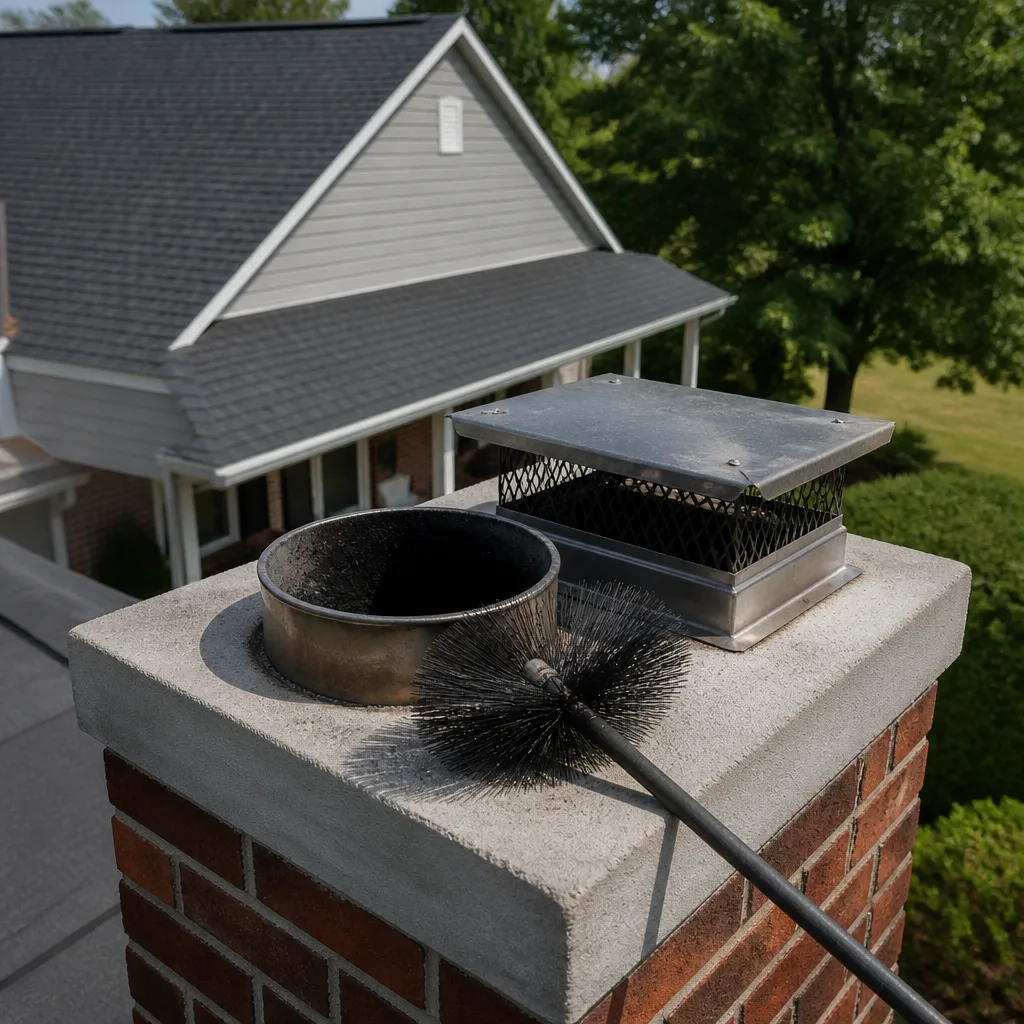 Sweep & inspection
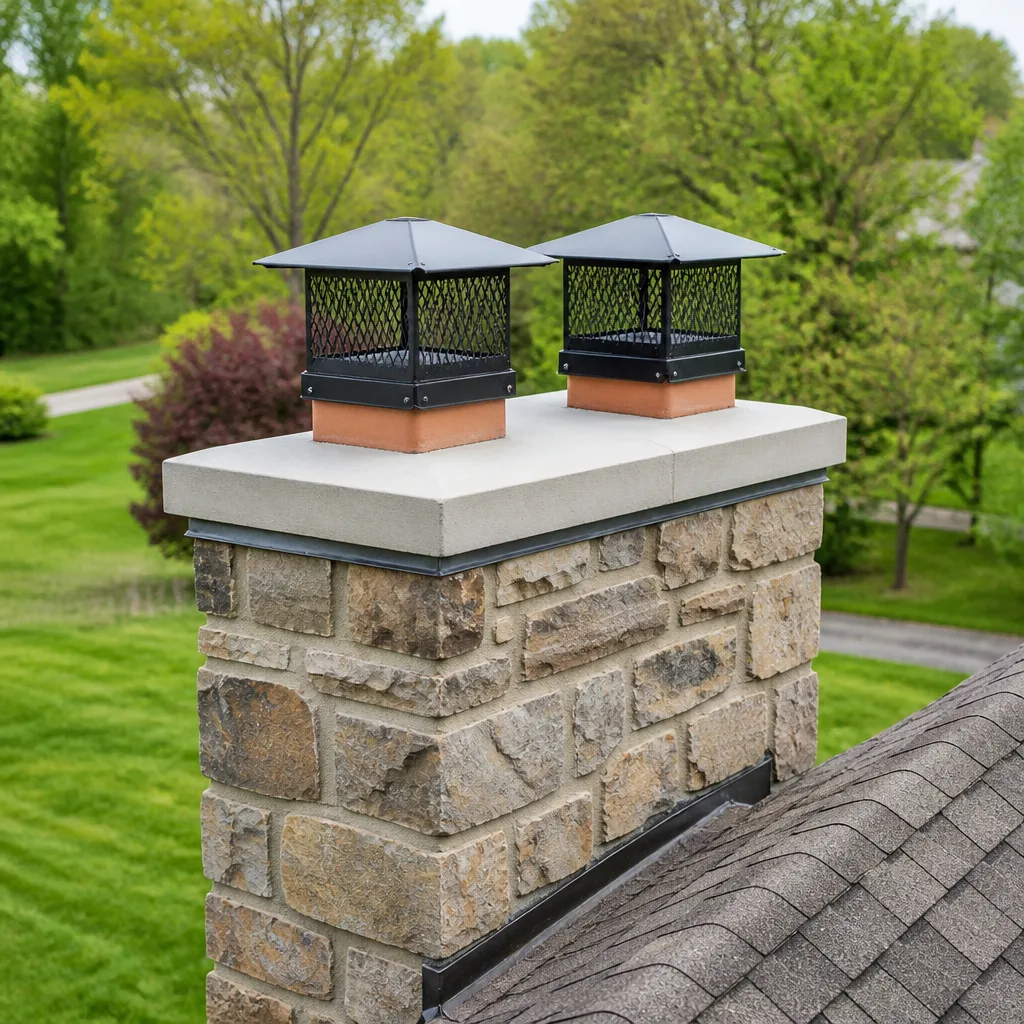 Caps & crowns
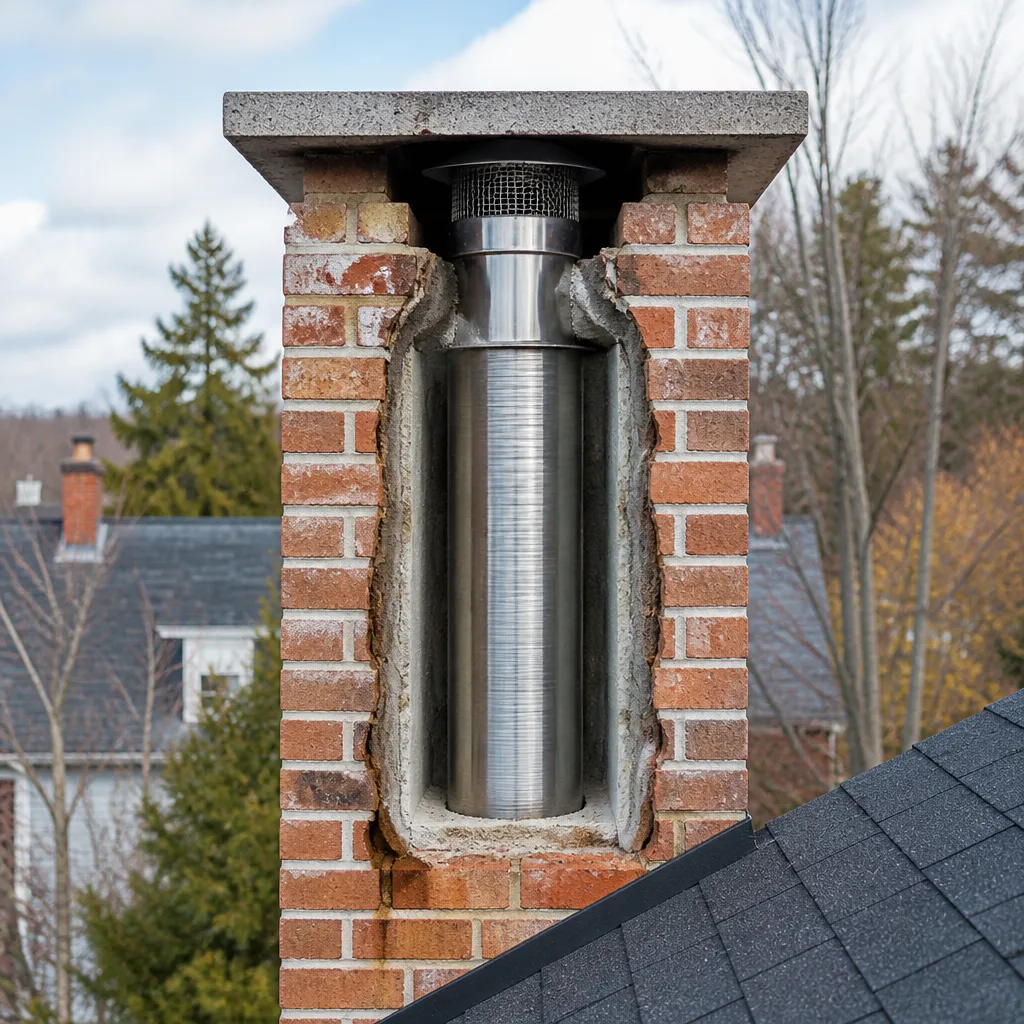 Flue relining
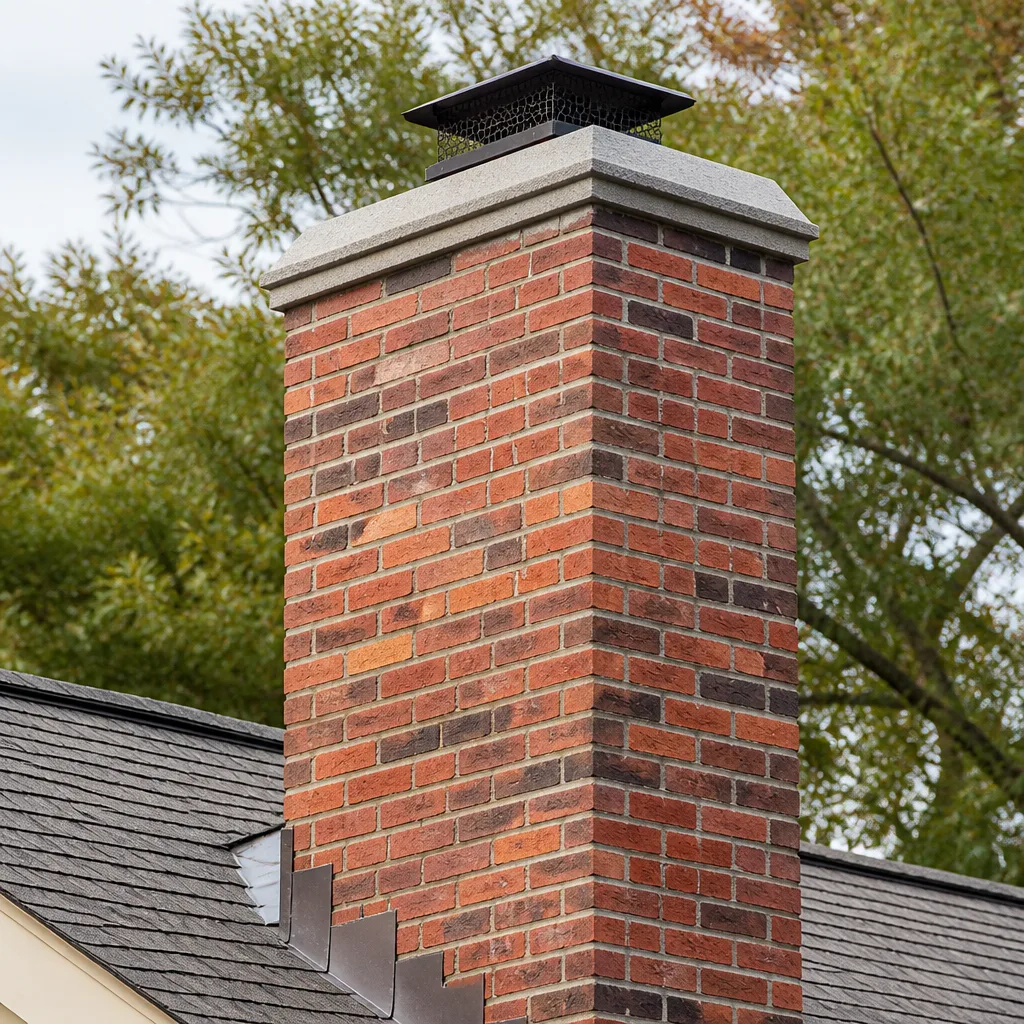 Masonry repair
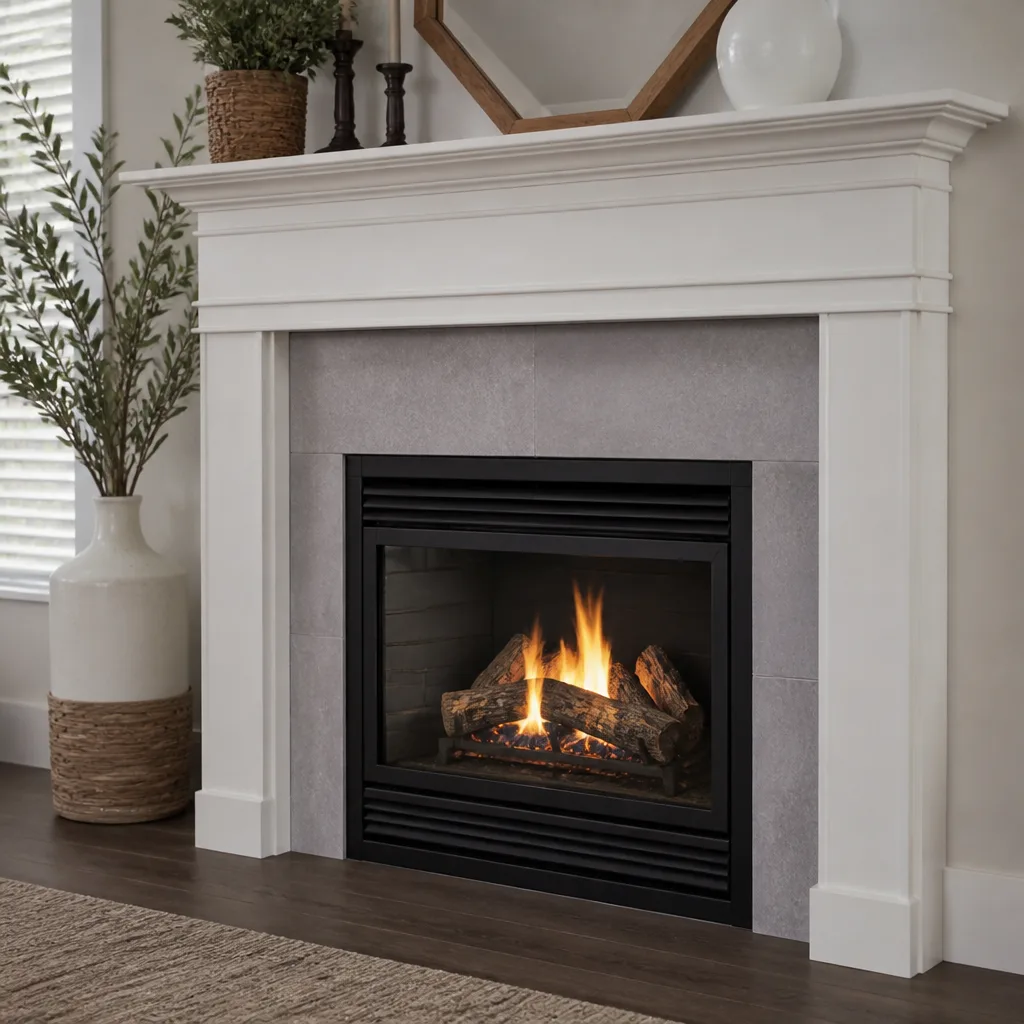 Gas fireplace service
Level 1 sweep and inspection to the NFPA 211 annual standard - flue, crown, cap, and flashing checked and photographed
Chimney sweep logs do not sweep chimneys. They loosen some creosote - which then falls where a brush and vacuum still have to collect it.
Chimney Cleaning Warning Signs: A Draper Homeowner’s Reference Guide
A chimney fire doesn’t announce itself in advance. But in almost every case, the warning signs were there for a full season before it happened – a slightly smoky room, an unfamiliar smell, a damper that felt stiffer than usual. The problem isn’t that homeowners ignore emergencies. It’s that they don’t recognize the early signals. Most chimney problems start quietly, as small shifts in how your fireplace draws, smells, or looks, and they get written off as normal. This guide names exactly what those early signs are, what each one points to, and when a cleaning is enough versus when you need an inspection before you burn again. We’ve written it for Draper homeowners who use their fireplaces through the long Utah winter and want to know what they’re actually looking at.
Quick Answer
The main chimney cleaning warning signs are persistent smoke smell when the fireplace is cold, backdrafting smoke into the room, unusual staining on the firebox or chimney exterior, a damper that’s suddenly hard to move, wind or animal sounds in the flue during non-use, and visible cracks in the firebox or hearth. Most of these point to creosote buildup, a draft problem, or moisture damage and can be caught with a cleaning or inspection before they turn into a repair. Visible cracking in the firebox is the one sign that skips straight to “get it inspected before you use it again.”
Styles & brands we work with
- Sweep & inspection
- Caps & crowns
- Flue relining
- Masonry repair
- Gas fireplace service
Table of Contents
- Smoke Smell When the Fireplace Is Cold vs. Backdrafting
- What the Staining Is Telling You: Efflorescence, Creosote, and Condensate
- Why a Stiff or Stuck Damper Is a Structural Signal
- Wind and Animal Sounds in the Flue During Non-Use
- The One Sign That Skips Cleaning: Cracking in the Firebox or Hearth
- Creosote Stages and What Each One Means for a Draper Chimney
- Six More Warning Signs Worth Knowing
- A Simple Seasonal Checklist for Draper Homes
Smoke Smell When the Fireplace Is Cold vs. Backdrafting
These two problems get confused constantly, and they’re not the same thing. One is a draft problem that shows up while you’re burning. The other is a buildup or leak problem that shows up when the fireplace is off.
Backdrafting happens when smoke that should go up the flue spills into the room instead. You’ll notice it during a fire: a puff of smoke when you open the glass doors, a haze that hangs near the ceiling, or the fire struggling to catch and stay lit. Backdrafting is a draft problem. It usually traces to a flue that’s too cold to establish a draft, a negative pressure situation in the house, an oversized flue for the firebox, or a partial obstruction near the top. It’s uncomfortable and it puts smoke in the room, but it’s generally a draw issue, not a dirt issue.
Persistent smoke smell when the fireplace is cold is different. You walk past the hearth on a mild day with nothing burning and it smells like a campfire. That points to creosote or soot that’s built up enough to carry odor, a flue that’s leaking at a joint, or a chimney that’s drawing cold air down and pushing stale smoke smell back into the room. In our experience around Draper, a cold-fireplace smoke smell is the single most common reason homeowners finally pick up the phone – and it’s usually a legitimate cleaning or inspection trigger, not just an annoyance.
Why they get mixed up: both involve smoke you didn’t ask for, and both feel worse in a house that’s tightly sealed for winter. Draper homes sit at the base of the Wasatch where inversions hold cold air against the valley for days, and a well-insulated house under those conditions can pull a weak draft back down the flue. Before you assume the chimney is dirty, pay attention to when you smell it. Burning = look at draft. Cold = look at buildup and leaks.
What the Staining Is Telling You: Efflorescence, Creosote, and Condensate
Stains on your firebox interior or the outside face of the chimney aren’t all the same problem. Read them by color and texture, and you’ll know what kind of failure you’re dealing with before anyone climbs a ladder.
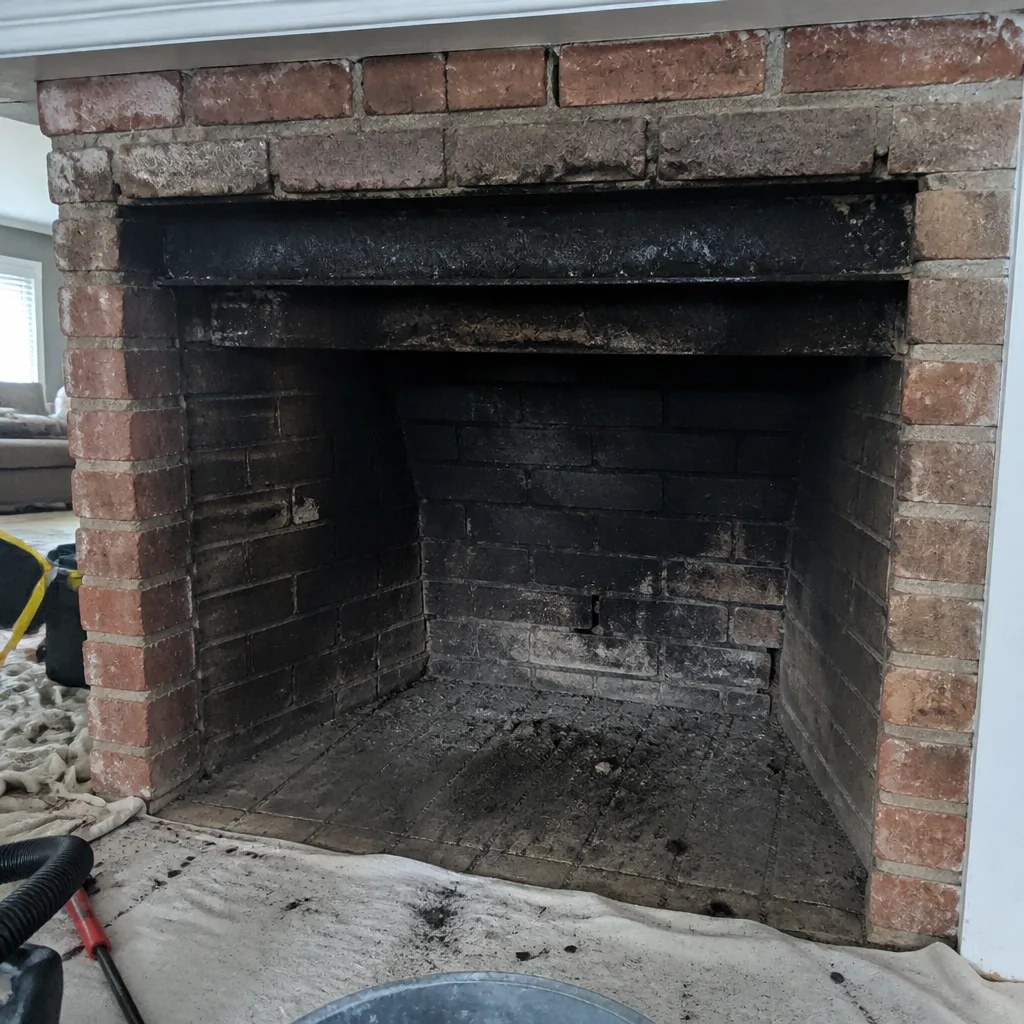
- Black, glossy, or crusty brown deposits inside the firebox and flue are creosote. Shiny black creosote is the advanced stage, and it’s combustible. On the smoke chamber and damper frame of a Draper home after a cold winter, some buildup is normal; heavy glazed creosote is not.
- White, chalky, powdery staining on the exterior masonry is efflorescence, and it means moisture is migrating through the brick and leaving mineral salts behind as it dries. Efflorescence by itself is cosmetic, but it’s a reliable signal that water is getting into the chimney somewhere – usually the crown or the cap.
- Dark, wet-looking streaks on the exterior or a rusty, brownish film on the firebox point to flue gas condensate. That’s what happens when hot flue gases cool and condense on the masonry or liner, and it’s more common in an unlined or insulated-living house with a cold exterior chimney chase.
Here’s why the distinction matters. Efflorescence means fix the water source, and the crown and cap are the usual suspects – which is a job for a Gelco or Famco cap and crown rather than a brush. Condensate means look at the liner. Creosote means clean it before it becomes fuel. Three different stains, three different responses, and a good inspection tells you which one you’re looking at.
Why a Stiff or Stuck Damper Is a Structural Signal
A damper that suddenly fights you is easy to dismiss as a nuisance. It’s usually not. The damper sits in the smoke chamber, which collects more heat and creosote than almost any other part of the system. When it stops moving smoothly, something has changed around it.
Common causes we look for:
- Creosote or rust on the damper plate and frame. Buildup or corrosion binds the moving parts. This is the easiest to fix and usually comes out in a cleaning.
- A warped damper plate. Repeated hot fires can warp the plate so it no longer seats correctly. It’ll open and close but never quite seal, which means heat and smoke leak past it when the fireplace is idle.
- Settling or movement of the smoke chamber and damper frame. This is the structural one. If the masonry around the damper has cracked or shifted, the frame goes out of alignment and the damper drags. That points to a masonry repair, not a cleaning.
- Debris from above. A cracked crown or a missing cap lets bits of masonry and nesting material drop onto the damper.
The reason a stiff damper matters: it’s one of the few warning signs you can feel with your hand, and it points to what’s happening in the smoke chamber without needing a camera. If it’s been getting progressively harder over a season, it’s worth having the whole smoke chamber inspected – that’s a spot where a HeatShield resurfacing job can restore a deteriorating flue liner and chamber without a full reline.
Wind and Animal Sounds in the Flue During Non-Use
If you can hear wind whistling, flapping, or a scritch-scratch coming from the chimney when there’s no fire, the chimney is open to the outside in a way it shouldn’t be. Both sounds point to the same part of the system: the cap and the liner.
Wind noise usually means the cap is missing, damaged, or the wrong size for the flue. Without a proper cap, wind gusts blow down the flue, drive cold air into the house, and push a puff of ash or soot smell into the room. A chimney cap also keeps rain from running straight down the flue, which is the root of a lot of condensate and efflorescence problems in Draper. A correctly fitted cap – a Famco or Copperfield unit sized to the flue – solves the noise, the moisture, and the draft all at once.
Flapping, scratching, or chirping in a chimney that isn’t being used means an animal has gotten in – birds, squirrels, or raccoons are the usual offenders. It’s not just the nuisance of the sound. Nesting material is combustible, and it blocks the flue. If you hear an animal and haven’t used the fireplace in a while, get the flue inspected before you light a fire, because a blocked flue routes exhaust back into the house. That’s the carbon monoxide risk that every chimney inspection is really checking for.
The connection between the two: an animal that got in is a strong sign the cap is missing or loose. Sound in the flue during non-use almost always means the top of the chimney is unprotected in some way, and the liner below it may have taken damage from moisture or nesting debris.
The One Sign That Skips Cleaning: Cracking in the Firebox or Hearth
Every other warning sign on this list can start with a cleaning. This one goes straight to an inspection before you light another fire. Visible cracking in the firebox walls, the smoke chamber, or the hearth extension isn’t a dirt problem – it’s a structural one, and it’s the fastest path from a small repair to a big one if you burn on it.
Why it’s serious:
- Cracks let heat and gases into the masonry structure behind the firebox, where they can degrade the brick and mortar over time.
- A cracked firebox often means a compromised liner area above it, especially in older Draper homes where the original flue may be unlined tile or a masonry chimney.
- Open cracks near the hearth can let embers and heat past the firebox into framing or combustible material behind the face.
If you can see a crack with a flashlight – a jagged line in the firebrick, a gap at the smoke chamber, a split in the hearth extension – stop burning and get the chimney inspected. This is where a HeatShield ceramic resurfacing application can help: it’s a trade-grade method for restoring a deteriorated flue liner surface, and it’s a job general handymen don’t offer because it requires the product, the training, and the equipment. Not every crack qualifies, but the inspection tells you what you’re dealing with before you spend money on the wrong fix.
Creosote Stages and What Each One Means for a Draper Chimney
Creosote is the reason chimney sweeps exist, and understanding its three stages tells you why some cleanings are routine and others are urgent. Creosote forms when wood smoke cools and condenses on the flue walls. How it forms determines how hard it is to remove and how flammable it is.
- Stage 1: soot and light flaky creosote. A thin, dusty coating that brushes off easily. This is what a regular sweep handles. If you burn dry, seasoned wood and get swept annually, this is what you’ll see.
- Stage 2: hard, crusty, brownish-black creosote. It’s bonded to the flue, and it takes a firmer tool and more care to remove. This stage is where a routine brush may not be enough.
- Stage 3: glazed, shiny, tar-like creosote. This is the dangerous stage. It’s dense, it’s fuel, and standard brushing won’t break it down. It requires chemical treatment and a specialized sweep. A homeowner with a heavily glazed flue should not burn again until it’s addressed.
Draper’s long heating season means more burn hours per year than a mild-climate home, and that’s exactly what pushes creosote from flaky to crusty faster. Cold, dense air in the Valley also makes for slow, cool fires when you first light up, and a cool-burning fire produces more creosote than a hot one. So the local climate quietly works against you. That’s the case for annual cleaning rather than a once-every-few-years habit.
Six More Warning Signs Worth Knowing
The big ones get the attention. These are the early, quieter signals we’ve learned to look for around Draper homes.
- A fire that’s hard to start. If seasoned wood won’t catch and stay lit, the flue isn’t drawing properly. That’s a draft problem or a partial obstruction, not a wood problem.
- Soot on the glass doors or firebox face. A little is normal. A heavy, dark, near-black coating after a few fires points to incomplete combustion or a flue that’s struggling to pull.
- Smoke rolling out when you open the doors. Backdraft, covered above, but worth noting as a distinct early sign.
- A soot or ash smell in a room with no fire. That’s the cold-fireplace smoke smell pointing to buildup or a leak in the flue joint.
- Brick spalling or flaking on the exterior chimney. The face of the brick chips and flakes off, which means moisture is trapped inside. It ties back to efflorescence and a failed crown.
- A visible gap at the cap or crown. Look up at the chimney from the yard. If the cap is loose, rusted, or missing, or the crown is cracked and separating, water is getting in.
None of these are emergencies on their own. Together, though, they describe a chimney that’s drifting out of condition – and that’s the whole point of watching for them, because the cleaning that handles them today is far cheaper than the chimney repair that handles them two winters from now.
A Simple Seasonal Checklist for Draper Homes
You don’t need tools to catch most chimney problems. Run through this before you start burning each fall, and again in the spring after the season ends.
- Look up at the chimney from the ground. Check that the cap is in place and intact. Check the crown at the top for cracks or a separating edge. Look for spalling brick or white efflorescence on the face.
- Walk to the hearth with no fire lit. Take a breath. Is there a smoke smell? Note it – cold-fireplace smoke smell is a cleaning or inspection trigger.
- Open and close the damper by hand. It should move through its range with steady, smooth resistance. A sudden stiffness or a grinding feel is a signal.
- Shine a flashlight into the firebox. Look for cracks in the firebrick, gaps at the smoke chamber, and stains on the interior. Stop and inspect before burning if you see cracking.
- Listen during a windy day or a quiet evening with no fire. Whistling, flapping, or scratching in the flue means the top of the chimney is unprotected or occupied.
- Start a test fire and watch. If the fire is hard to start, or smoke escapes when you open the doors, note it for the sweep.
- Book a sweep before the season, not during it. The demand for a chimney sweep peaks right when the cold sets in. Getting it done ahead of the rush means a cleaner flue by the time you first light up.
If anything on that list makes you pause, write it down and bring it to the sweep. A good cleaning visit starts with the list of symptoms, not a guess.
Common Mistakes to Avoid
- Confusing a smoke smell with a draft problem. If the fireplace is cold and it smells like smoke, don’t assume it’s backdrafting. It’s usually buildup or a flue leak, and that’s a cleaning or inspection, not a draft fix.
- Treating efflorescence as cosmetic. White chalky staining on the exterior is moisture escaping the masonry. It won’t fix itself, and it points to a crown or cap that needs attention, not a washdown.
- Burning on a cracked firebox because it’s “not that bad.” Visible cracks in the firebox or hearth extension are the one sign that should stop a fire until the chimney is inspected. Small cracks widen with every burn.
- Ignoring an animal in the flue. A blocked flue from nesting material is a carbon monoxide waiting to happen if you light a fire. Get it inspected before the next burn, not after.
- Assuming a stiff damper is just old. The damper tells you about the smoke chamber above it. If it’s stiffening over a season, have the whole chamber looked at.
- Getting swept but not inspected. A chimney sweep cleans. An inspection tells you whether the flue, liner, cap, and crown are actually sound. In Draper, where the heating season is long, the inspection is the part that catches the problem before it becomes a repair.
- Deferring the cap because it “looks fine” from the ground. Caps fail at the joints and fasteners, which you can’t see from the yard. If you’ve had moisture or animal problems, have the cap checked properly.
See the difference
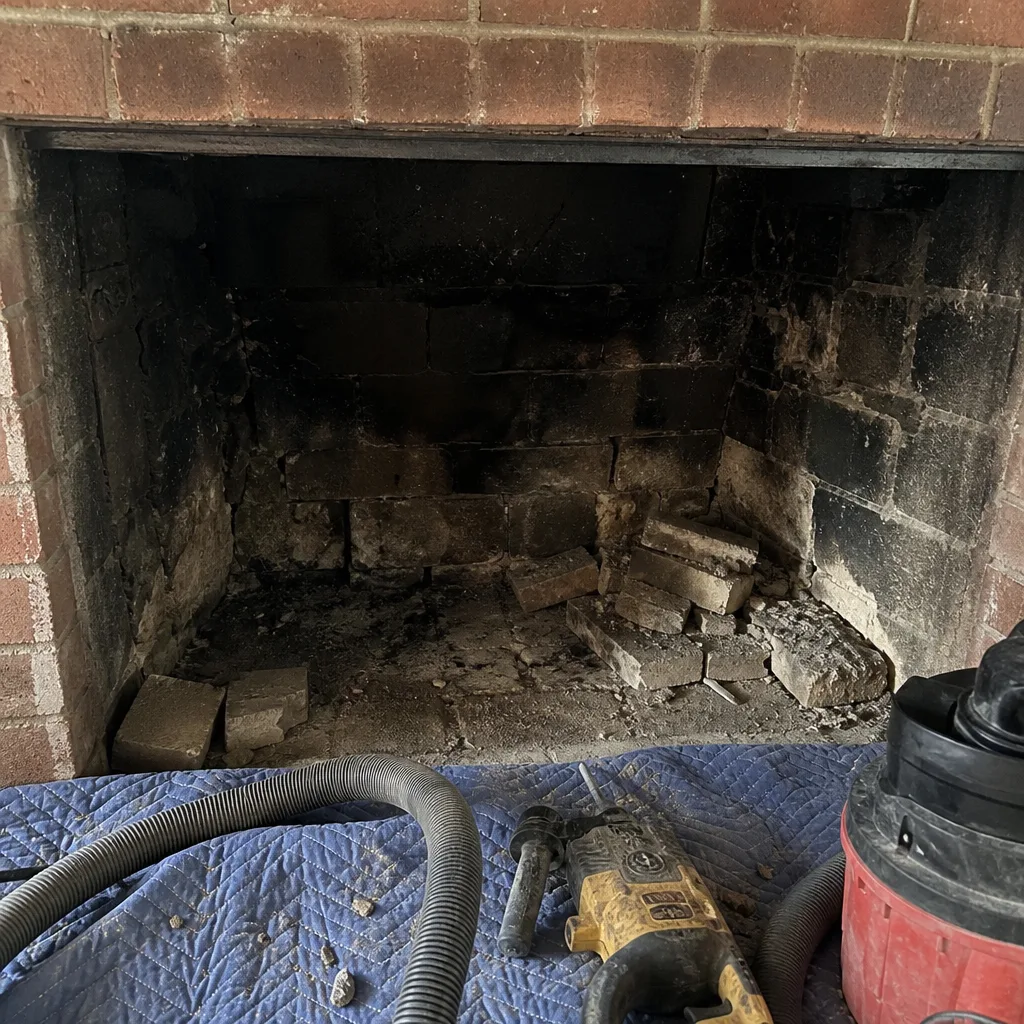 Before
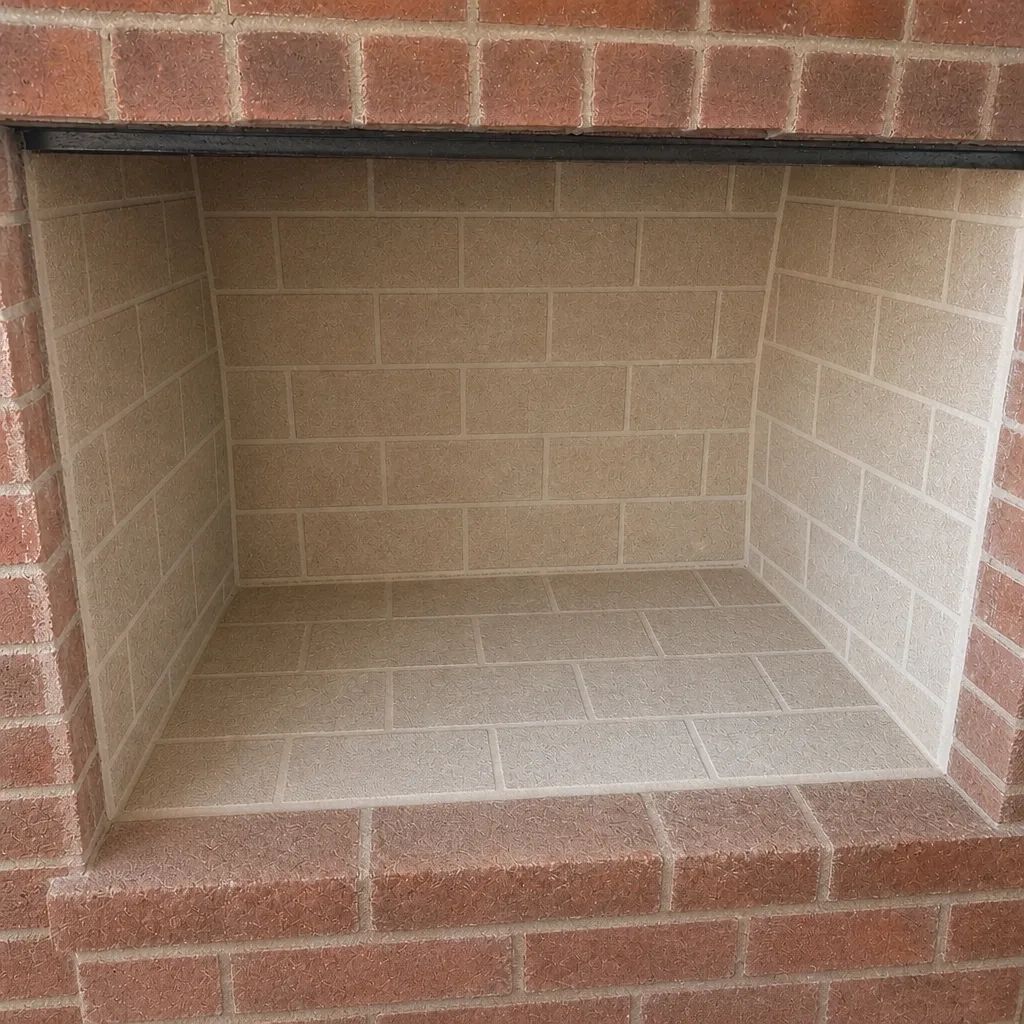 After
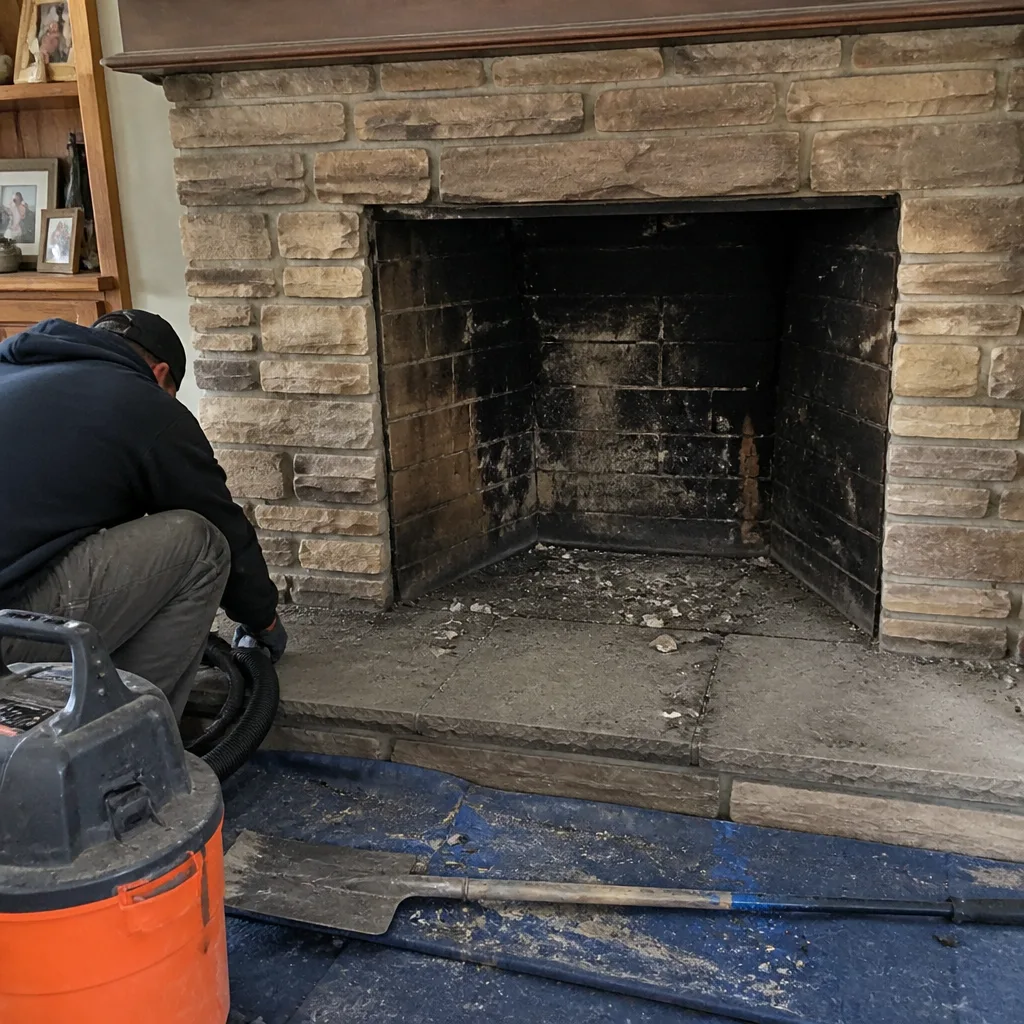 Before
 After
 Before
 After
When to Call a Professional
Call a professional if you see any of these: visible cracking in the firebox or hearth, smoke that keeps rolling into the room when the fireplace is hot, a persistent smoke smell from a cold fireplace that doesn’t fade, repeated animal noises in the flue, or a cap and crown that are visibly damaged. Also call if it’s been more than a year since the chimney was swept, or if you’re buying or selling a Draper home and need an objective condition assessment – we offer chimney inspection as a standalone service so the report is independent of any cleaning work. We handle cleaning, inspection, fireplace repair, chimney repair, and cap and crown work, so a problem found during an inspection gets addressed by the same team that found it. Draper Chimney Sweep offers free estimates in Draper – call (855) 658-4373.
Frequently Asked Questions
The earliest signs are a smoke smell from a cold fireplace, a fire that’s harder to start than it used to be, and light soot on the firebox face. These show up well before a visible problem, which is why an annual sweep catches trouble while it’s still small. Call (855) 658-4373 for a free estimate.
Backdrafting happens during a fire, when smoke spills into the room, and it points to a draft problem. A dirty chimney tends to smell even when the fireplace is off. If the smell is present with the fireplace cold, treat it as a buildup or leak issue and schedule a sweep and inspection. Call (855) 658-4373 for an exact quote – estimates are free.
It can be. A damper that’s getting harder to open or close often points to a warped plate, heavy creosote, or a masonry shift around the smoke chamber. The creosote cases are routine; the masonry cases are structural. An inspection tells you which one you’re dealing with. Call (855) 658-4373 to book one.
White, chalky staining is efflorescence, and it means moisture is moving through the masonry. The fix is to find the water source, which is almost always the crown or the cap. We install Gelco and Famco caps and crowns sized to the flue to close off the leak. Call (855) 658-4373 for a free estimate.
Yes. Visible cracking in the firebox, smoke chamber, or hearth extension is the one sign that should pause burning until the chimney is inspected. Heat and gases can travel through cracks into the structure behind the firebox. Depending on what the inspection finds, HeatShield ceramic resurfacing can sometimes restore the liner without a full reline. Call (855) 658-4373 to schedule an inspection.
Annually for most homes, and more often if you burn frequently or see heavy creosote. Draper’s long winter means more burn hours, which builds creosote faster than in a mild climate. If you’re not sure, an inspection will tell you the current condition. Call (855) 658-4373 for a free estimate.
The Bottom Line
Chimney problems rarely announce themselves. They show up as a smell you can’t place, a damper that catches, a white stain on the brick, a crack you see with a flashlight. The homeowners who avoid big bills are the ones who recognize those early signals and act on them with a cleaning or an inspection – not the ones who wait for the fire. We’ve built our service around that: sweep, inspection, fireplace repair, chimney repair, and cap and crown work under one company, using trade-grade materials like DuraFlex liner systems and HeatShield resurfacing rather than hardware-store substitutes. Our technicians have up to 11 years of experience. One call covers cleaning, inspection, and repair, so a problem found is a problem fixed in the same visit.
If you’ve noticed any sign in this guide – smoke where you don’t want it, a stain that wasn’t there last year, a damper that feels different – don’t wait for it to get worse. Call Draper Chimney Sweep at (855) 658-4373 for a free estimate. We answer 24/7. Fast dispatch from 7am to 7pm, Sunday through Friday. When you call, tell us exactly what you’ve seen; we’ll start from your symptoms and find the cause before we recommend a fix.
For the full picture of what we do, start at Draper Chimney Sweep. When the answer is a specific repair, our fireplace repair team handles the hearth and firebox side, and chimney repair covers the masonry, crown, and cap.
Written by the team at Draper Chimney Sweep.