
Last updated November 24, 2026
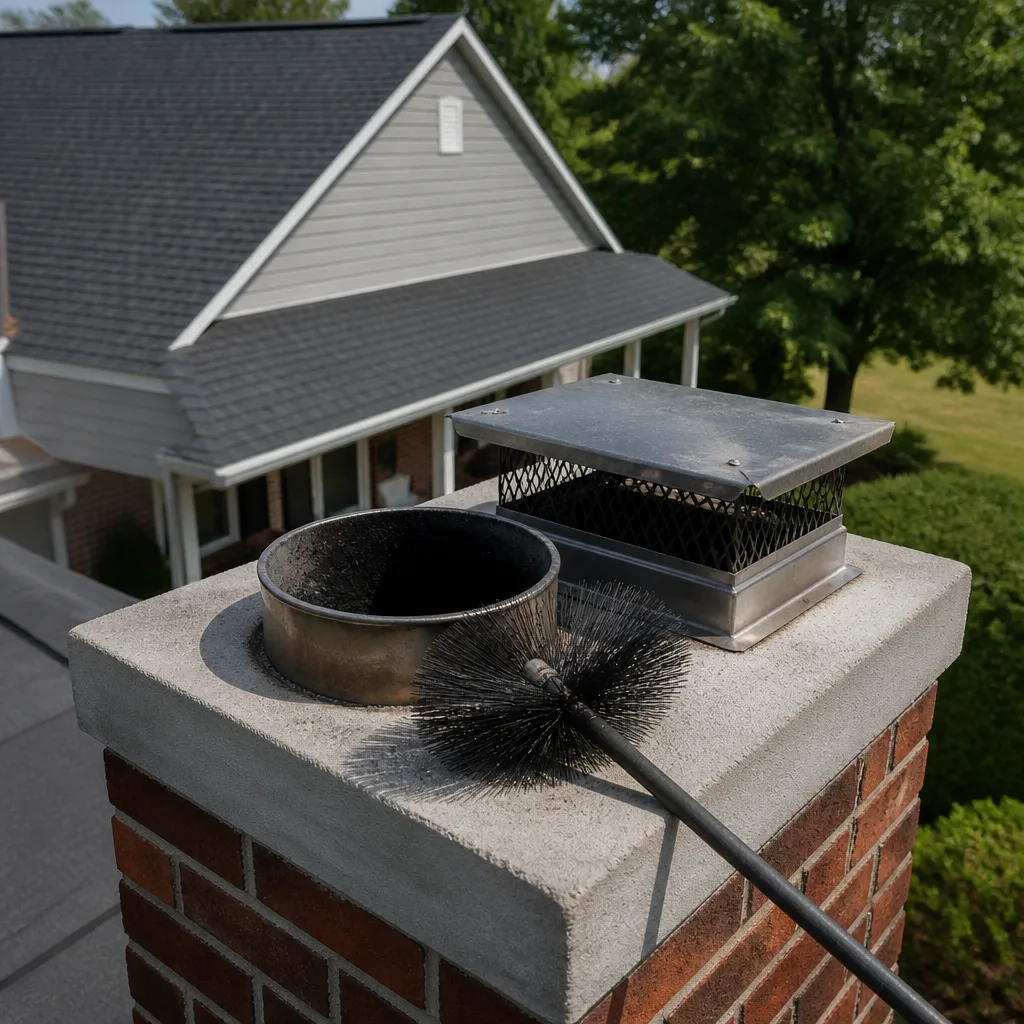 Sweep & inspection
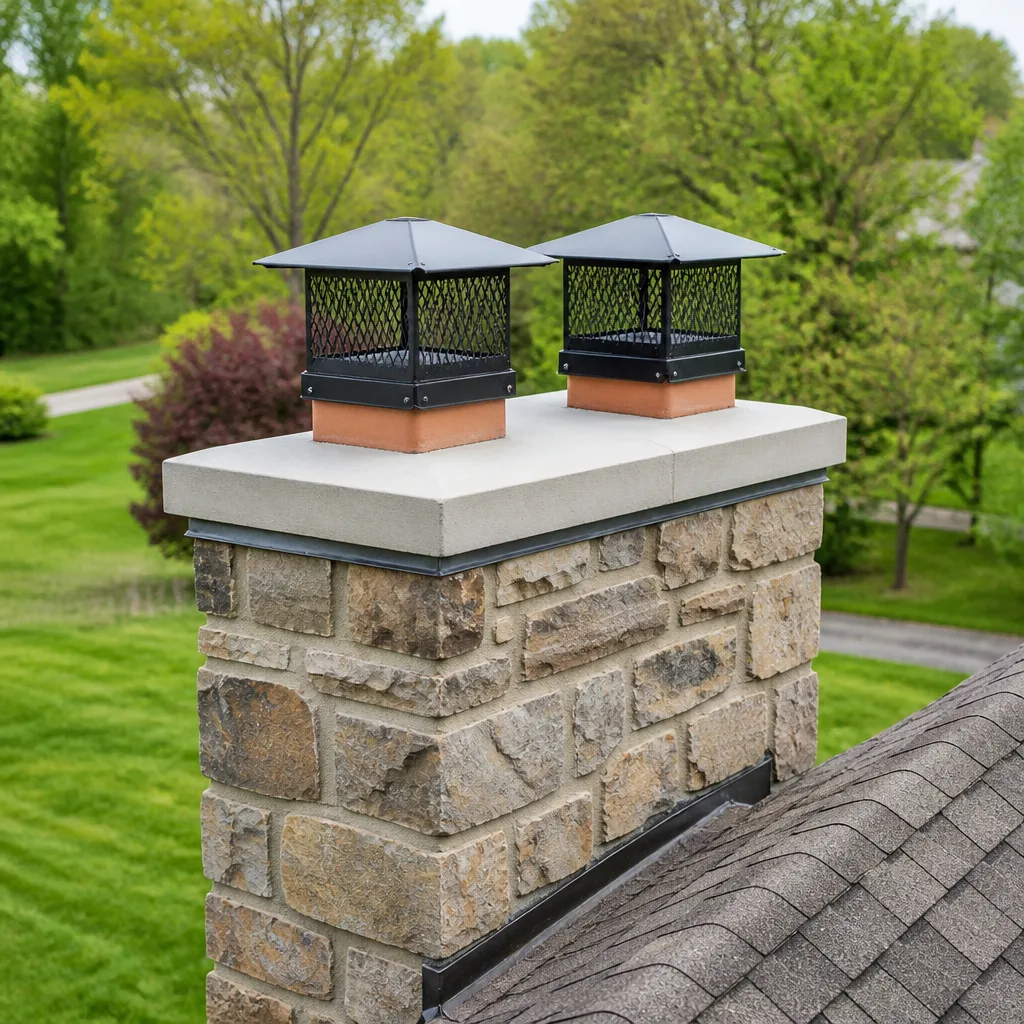 Caps & crowns
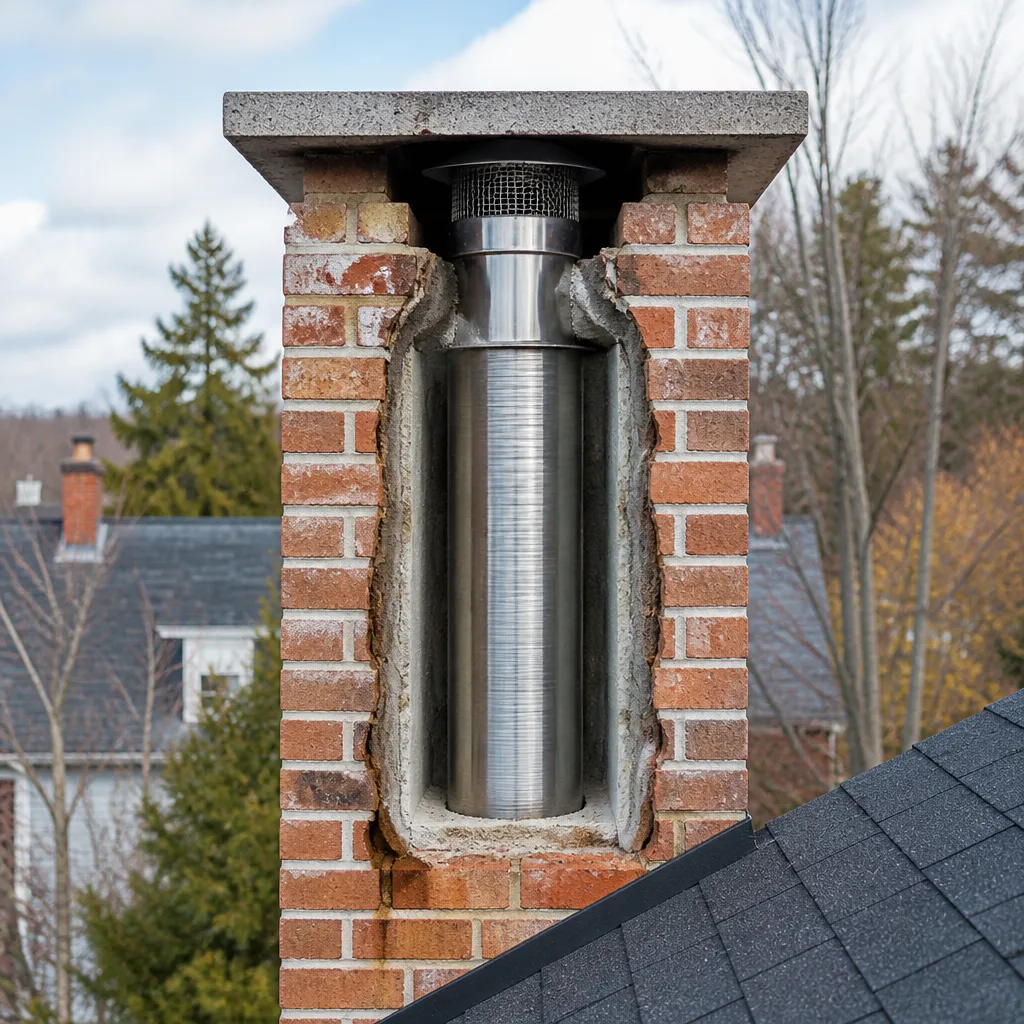 Flue relining
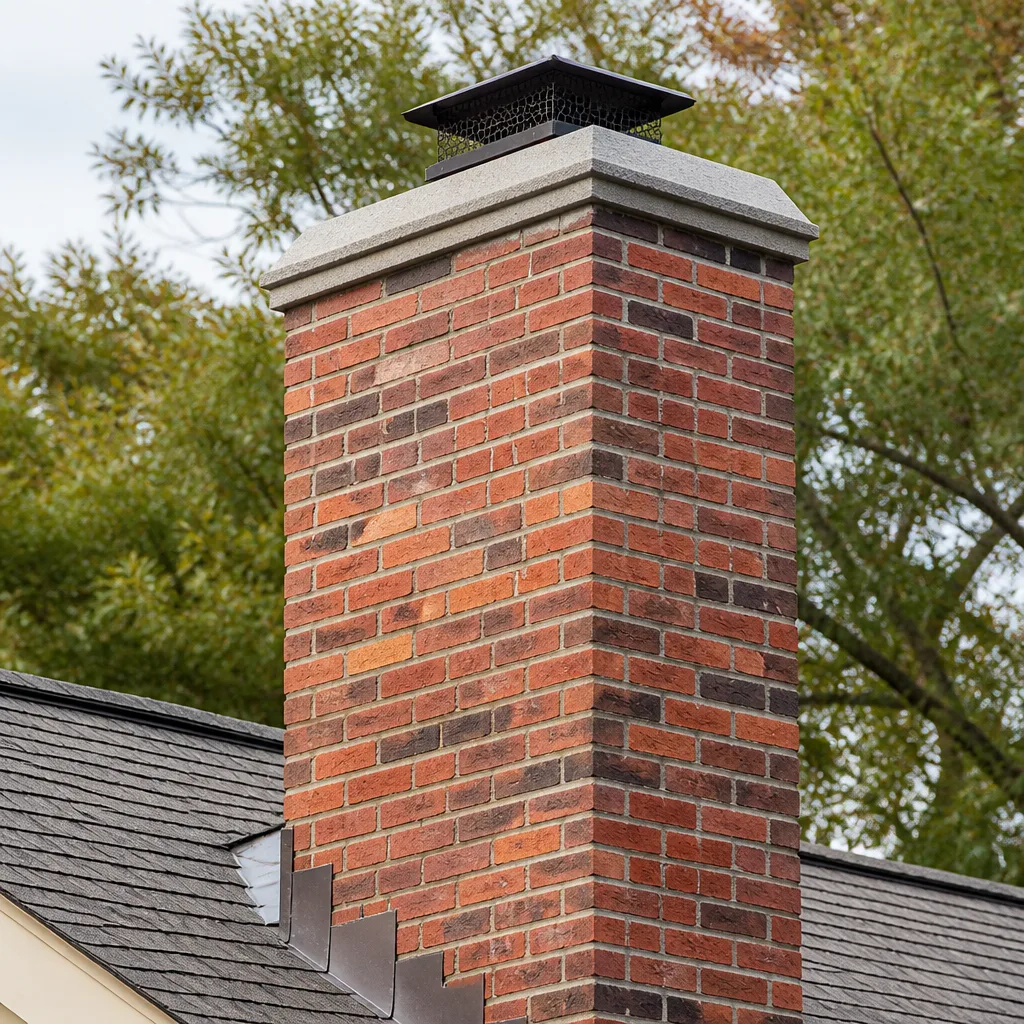 Masonry repair
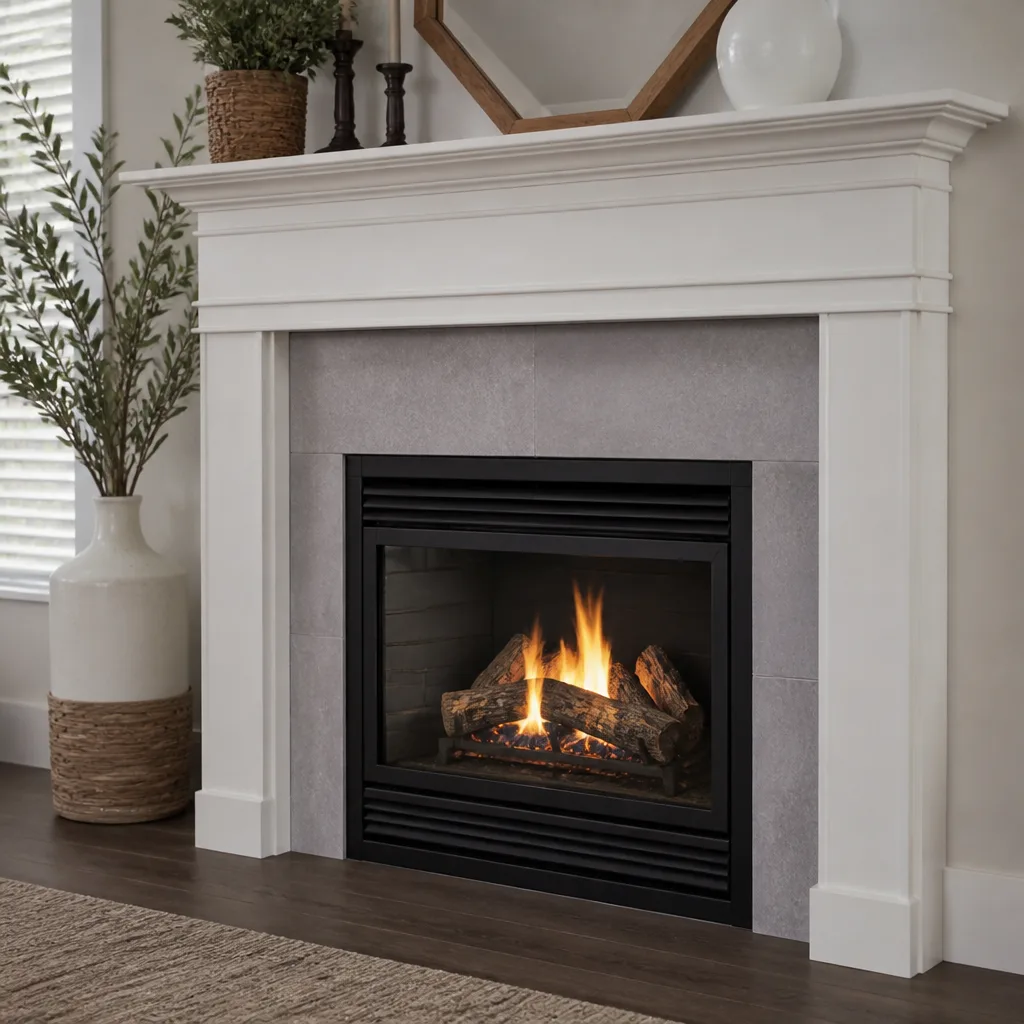 Gas fireplace service
Level 1 sweep and inspection to the NFPA 211 annual standard - flue, crown, cap, and flashing checked and photographed
Chimney sweep logs do not sweep chimneys. They loosen some creosote - which then falls where a brush and vacuum still have to collect it.
Seasonal Chimney Cleaning Care for Draper: Year-Round Homeowner’s Guide
Scheduling a chimney sweep once a year is better than nothing, but it doesn’t account for the fact that your chimney ages differently in January than in July. In Draper, summer creates moisture and wildlife problems. Winter creates creosote and airflow problems. Spring is when you find out what winter actually did. A single annual visit lands somewhere in the middle and misses most of it. This guide assigns specific tasks to specific seasons so chimney care stops being a reaction to a problem and starts being a schedule you keep. You’ll learn what each Draper season actually does to masonry and flue tile, what to check and when, and how to build a calendar that survives a busy year.
Quick Answer
Seasonal chimney care in Draper means four separate jobs, not one: inspect for freeze-thaw damage in spring, manage moisture and cap condition in summer, sweep and test the damper before first burn in fall, and watch creosote and airflow through winter. Annual sweeping is the floor, not the whole plan. The homeowners who avoid expensive liner and masonry work are the ones who match the task to the season instead of discovering damage after it has already spread.
Styles & brands we work with
- Sweep & inspection
- Caps & crowns
- Flue relining
- Masonry repair
- Gas fireplace service
Table of Contents
- Why Draper’s seasons change what your chimney needs
- Spring chimney care: reading the winter’s damage
- Summer chimney care: moisture, caps, and the smart window for liner work
- Fall chimney care: sweep timing and pre-season inspection
- Winter chimney care: DAQ no-burn days, creosote, and mid-season cleaning
- Building a chimney care calendar you’ll actually keep
- Common mistakes to avoid
- Frequently asked questions
Why Draper’s seasons change what your chimney needs
A chimney is an outdoor structure attached to an indoor system, which means it lives through more weather than the house does. In Draper, that weather swings hard. The Salt Lake Valley floor holds cold air in winter while warmer air sits above it, which is the setup behind the inversions that drive air quality restrictions along the Wasatch Front. Summer pushes the other way: dry stretches interrupted by monsoon moisture pushing up against the Oquirrh and Wasatch ranges, with wind that arrives ahead of those storms.
Each of those conditions attacks a different part of the chimney.
- Freeze-thaw cycles work on mortar joints and brick faces. Water gets into a small crack, freezes, expands, and widens it. Repeat that through a Draper winter and small cracks become spalled brick faces and open joints.
- Summer sun and monsoon rain work on the crown and the cap. A hairline crack in the crown, or a cap that’s missing or loose, lets water into the flue.
- Fall drop in temperature changes how you use the fireplace: more burning, more creosote, and the first real test of whether the damper still seals.
- Winter inversions mean some days you shouldn’t burn at all, which changes how creosote builds and when a mid-season cleaning makes sense.
The mistake is treating all of that as one annual appointment. We’ve seen plenty of Draper chimneys where the only problem was timing: a cap that could have been replaced in June became a water-damaged flue liner by October. The seasonal approach is the whole point of this guide.
Spring chimney care: reading the winter’s damage
Spring is when you find out what winter actually did. The thaw exposes problems that sat hidden under snow and cold: cracked mortar, spalled brick, separated flashing, and a crown that took freeze-thaw damage it couldn’t show you in February. Spring is the first good inspection window of the year, and it’s the cheapest time to catch structural issues before monsoon rain gets into them.
What spring inspection actually looks at
An exterior walkaround in Draper in March or April should check four things carefully:
- Spalling and brick faces. Look for brick faces that have popped off or gone flaky. That’s freeze-thaw damage, and it usually means water is getting in somewhere above.
- Mortar joints. Recessed or crumbling mortar between bricks is the next stage. Left alone through another winter it widens, and the chimney starts losing structural integrity, not just appearance.
- Flashing separation. The metal where the chimney meets the roof is the number-one path for water into a house. Spring is when separated flashing shows up clearly.
- Crown condition. The concrete cap on top of the chimney should overhang and shed water away from the flue. Any crack wider than a hairline is worth a repair.
Leftover ash management
If you burned through the winter, the firebox is probably carrying a deep ash bed. A one-inch ash layer actually helps insulate coals, but a firebox full to the grate makes the next season harder to start and adds to the creosote load. Spring is a reasonable time to clear the excess, but do it carefully: ash can hold live embers for days. Use a metal container with a tight lid, set it well away from anything combustible, and never vacuum warm ash into a household vacuum. If the firebox has heavy soot staining on the brick, that’s also the moment to have the firebox itself looked at as part of a fireplace repair assessment rather than waiting for fall.
Summer chimney care: moisture, caps, and the smart window for liner work
Summer is when Draper chimneys take the damage that shows up as a fall surprise. Two things happen: monsoon-season wind and rain test the cap and crown, and the flue sits unused long enough for moisture to do quiet work. Summer is also the smartest time to book liner work, because it’s the one season where the calendar isn’t competing with everyone else’s pre-winter appointments.
Moisture intrusion: the summer problem nobody sees
Water is the most destructive thing that gets into a chimney, and it usually gets in from the top. A missing or damaged cap lets rain straight down the flue. A cracked crown lets water into the masonry crown and down through the chimney structure. Once water is inside, it does two things: it rusts the damper assembly and firebox components, and it combines with the acidic residue left over from last winter’s fires to attack the flue liner from the inside.
By the time you notice, it’s usually a rust stain on the firebox or a smell in the house during humid weather. By then the liner may already be compromised.
Cap inspection after wind season
The chimney cap is the single most important piece of hardware on the whole system, and it’s also the piece most likely to be missing or damaged in Draper. High wind ahead of summer storms is enough to lift or dislodge a poorly attached cap, and an open flue is an open invitation to birds, squirrels and rain.
We install and replace caps using trade-grade components, including Gelco and Famco lines, because a cap that’s improvised from hardware-store parts tends to fail the same way twice. A cap with the right mesh and the right fastening holds up to wind and keeps animals out for years. We also install and repair crowns, which is the other half of the water-intrusion story.
Why summer is the best time for liner work
Every fall, the same thing happens: the first cold snap drives a wave of calls for sweeping and inspection, and any liner work found during that inspection lands weeks or months out. Book liner work in summer and you skip that queue entirely. It’s also the season when a liner repair is easiest to schedule around family routines because the fireplace isn’t in daily use. If an inspection in late spring or early summer finds a deteriorated flue liner, HeatShield ceramic resurfacing can often extend the life of the existing liner without a full reline. That decision is worth making with time to spare, not in a rush in October. For the structural side of that work, see chimney repair.
Fall chimney care: sweep timing and pre-season inspection
September beats November for pre-season chimney work, and it isn’t close. By November, every wood-burning household in Draper has remembered the fireplace exists, the schedule is booked out, and any problem found in the inspection has no breathing room before the holidays. A September sweep and inspection gives you time to repair what’s found before you actually need the fireplace.
Why September beats November
- Calendar space. Repairs found in September can be scheduled and completed before the first cold snap. Repairs found in November often mean weeks without a working fireplace.
- Time to dry. Any masonry work done in fall benefits from the warm, dry weeks that follow. November work sometimes stretches into freezing weather.
- Less creosote pressure. Sweeping before the burn season means the flue is clean when the heaviest creosote accumulation begins, rather than halfway through it.
- Better choice of materials. Trade suppliers carry what we need year-round, but the real advantage is time: a September inspection that finds a liner problem leaves room to choose the right DuraFlex liner system rather than taking whatever is fastest.
What a proper pre-season inspection covers
An inspection is not the same thing as a sweep. A sweep cleans the flue. An inspection is a condition assessment, and it should cover:
- The firebox, damper and smoke chamber (checking for cracks, rust, and damper function)
- The flue liner (checking the interior for gaps, cracks and glazing)
- The chimney exterior (checking brick, mortar, crown and cap)
- The roof connection (checking flashing and the chimney chase)
- The attic and any accessible framing around the chimney (checking for water staining)
We offer inspections as a standalone service, not just an upsell attached to a cleaning, which matters for anyone buying or selling a home in Draper or for a homeowner who just wants an honest read on condition before the season starts. The written assessment is what actually lets you plan repairs.
Testing damper function before first use
Before the first fire of the season, test the damper by hand. It should open and close smoothly, seal when closed, and be free of rust. A damper that’s stuck open wastes heat; one stuck closed is a carbon monoxide risk, which is why it’s worth checking rather than assuming. If you get resistance, don’t force it. That’s the moment to have the firebox looked at as part of a fireplace repair visit and skip the first fire until it’s sorted.
Winter chimney care: DAQ no-burn days, creosote, and mid-season cleaning
Winter is the season with the most moving parts in Draper, because it puts three constraints on the chimney at the same time: creosote builds fastest, airflow can be compromised by inversion conditions, and the Utah Division of Air Quality (DAQ) sometimes issues no-burn days that limit wood burning along the Wasatch Front. Managing all three is how you keep the fireplace usable and safe through the coldest months.
DAQ no-burn days and what they mean for you
No-burn days are issued when air quality is expected to be poor, usually during winter inversions. On those days, wood burning is restricted for most households, and burning anyway is both a fine risk and a real contribution to the valley’s air quality problem. The practical upshot: plan on fewer burnable days than the thermostat suggests, and don’t treat the fireplace as primary heat. Homes in Draper that need heat on no-burn days rely on their furnace or another non-wood source during those stretches.
Safe burning practices that slow creosote accumulation
Creosote is the tar-like residue left behind by incomplete combustion. It builds faster when wood is wet, when the fire is smoldering, and when the flue runs cool. Small habits add up over a Draper winter:
- Burn seasoned wood only. Wet wood wastes heat up the flue and leaves more creosote behind.
- Build hot, active fires rather than long, slow smoldering ones.
- Never burn trash, cardboard, painted wood or pine boughs. They build creosote fast and add deposits you don’t want in the flue.
- Leave the damper fully open while the fire is going and for long enough after to clear the smoke.
- Watch for the signs of a chimney fire: a loud roar, a dense puff of smoke from the top, or dark creosote flakes on the roof. If you see them, stop using the fireplace and get it inspected.
When a mid-season cleaning actually makes sense
Most households in Draper can go a full season on a proper fall sweep. Mid-season cleaning makes sense in a few specific cases: heavy burning (four or more fires per week), poor draft that you can’t trace, any sign of creosote flaking at the cap or in the firebox, or a fire that smells stronger than usual when the flue heats up. If any of those apply, a mid-season inspection is worth it rather than pushing through to spring. The rest of the time, wait. Extra cleaning isn’t free of cost, and it isn’t free of wear on the liner either.
Building a chimney care calendar you’ll actually keep
A seasonal plan is worthless if it gets skipped. The simplest way to keep it is to tie the chimney tasks to events you already track: a seasonal chore weekend, the first cold snap in the forecast, and the last spring storm. Four touch points a year, each one short.
The four-touch-point calendar
- Spring (March-April): Schedule a visual inspection with a full exterior and flue check. Have any mortar, flashing or crown damage identified in writing. Do any fireplace repair identified while the weather is dry.
- Summer (June-August): Check the cap and crown condition (or have it checked). Book any liner work that the spring inspection recommended. Summer is the smart window for HeatShield resurfacing or a DuraFlex liner installation because the fall rush hasn’t started.
- Fall (September): Full sweep and inspection. Test the damper by hand. Address any cap or crown problems before the rainy season settles in. Have the firebox cleaned and the firebox brick checked for cracks.
- Winter (December-February): Monitor creosote signs and draft. Respect DAQ no-burn days. If you burn heavily or notice poor draft, book a mid-season inspection instead of pushing through.
What to write down
Keep a simple log: each inspection date, what was checked, what was found, and what was fixed. In Draper, that log is genuinely useful when you sell a home, when an inspector asks about maintenance history, or when you want to compare notes between two inspections a year apart. It also protects you from a salesperson who claims work was needed last year that you have no record of.
Common Mistakes to Avoid
- Sweeping once in fall and calling it done. Fall sweeping catches what built up over the last season, but it doesn’t catch the freeze-thaw damage a Draper winter does to masonry. That damage needs a spring look.
- Skipping the cap because the flue looks fine from inside. A visual from the firebox can’t see a missing mesh or a lifted cap. The cap should be checked from the roof or by inspection, and it’s the number-one entry point for water and animals.
- Booking liner work in November. Fall is the busiest season for liner replacement, and shortages and scheduling delays are common. A summer booking solves both.
- Burning wet wood through the winter. Wet wood is the single fastest way to build creosote. In Draper, wood that’s stacked uncovered through a wet summer will still be wet by December.
- Ignoring DAQ no-burn days. The restrictions exist for a reason, and the fines are real. Plan the wood-burning season around them, not through them.
- Treating a chimney inspection as unnecessary paperwork. A standalone inspection is what lets a buyer or seller make a decision about the house on real information, and it’s what catches a problem before it becomes a liner replacement.
- Letting a small mortar crack through the winter. In Draper’s freeze-thaw cycle, a small crack becomes a large one in a single season. The cost of the fix grows with the crack.
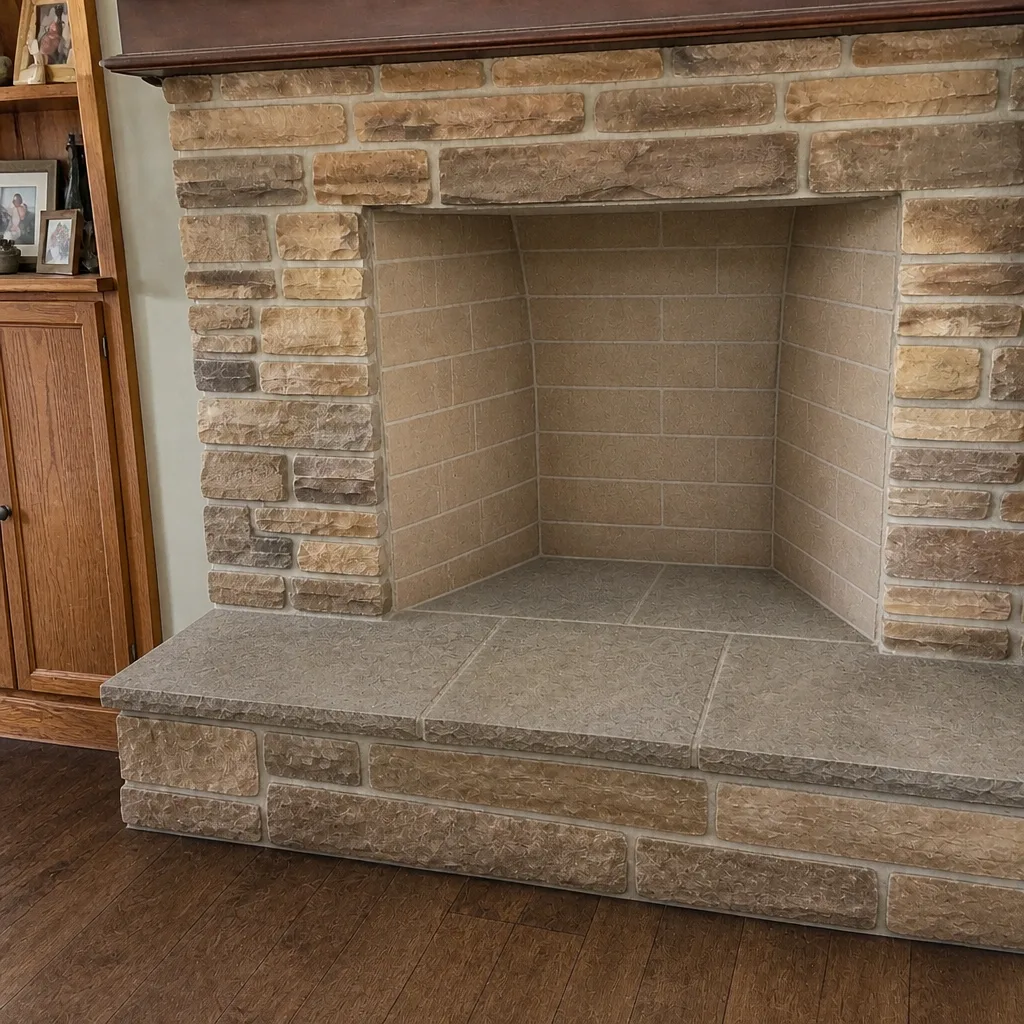
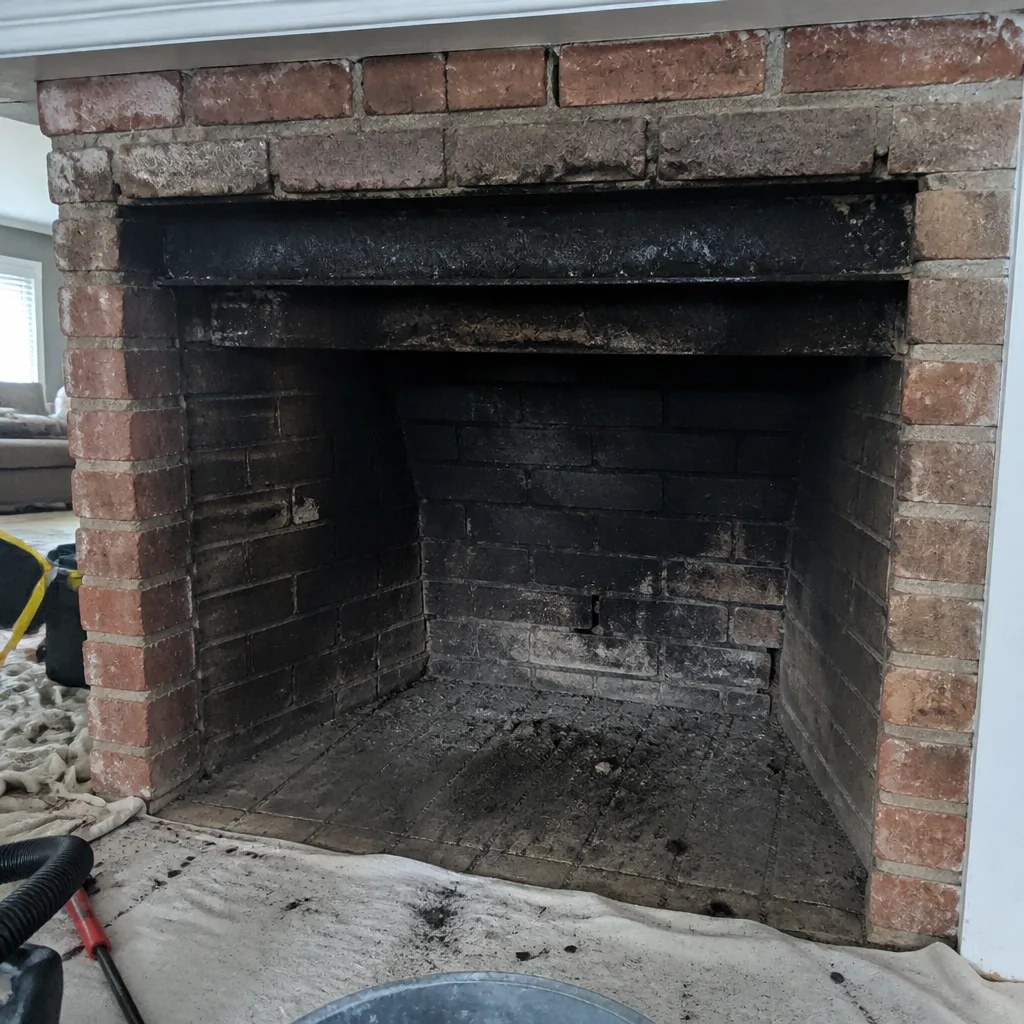
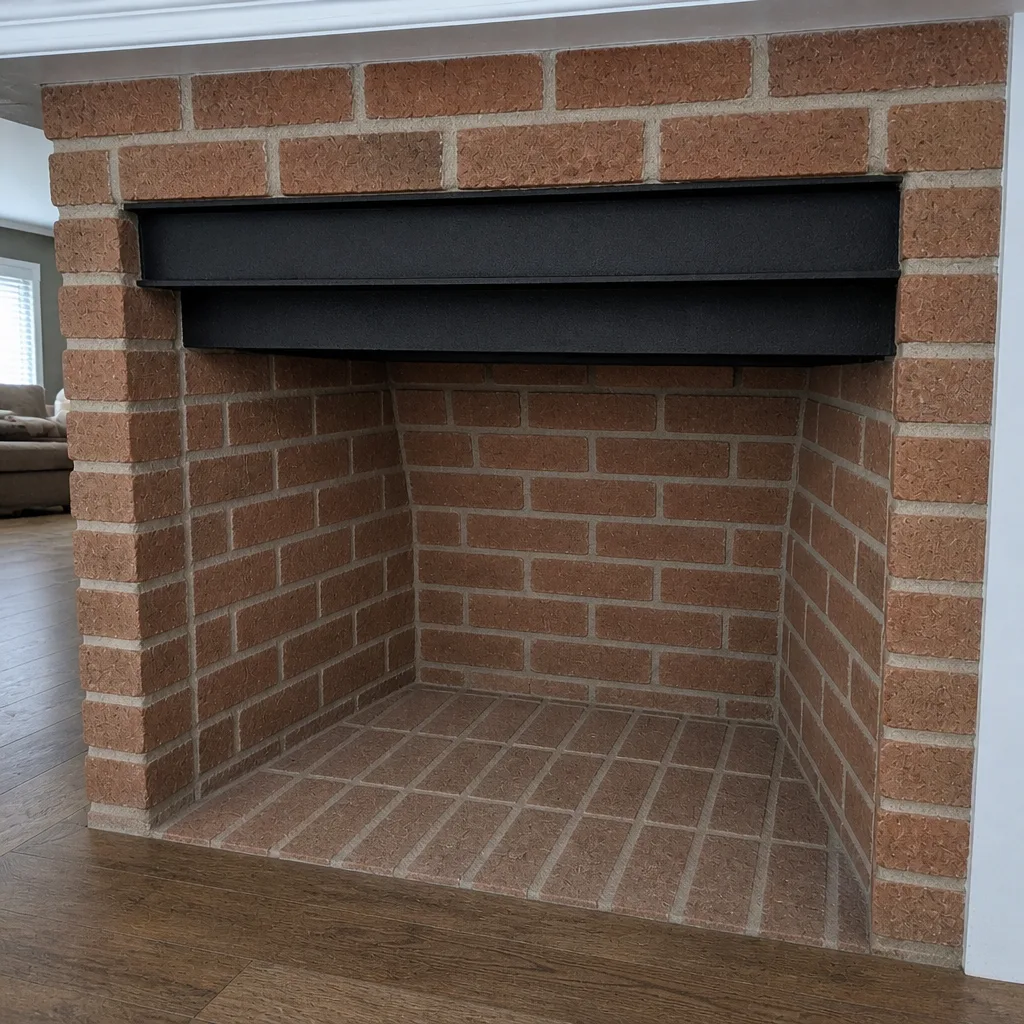
See the difference
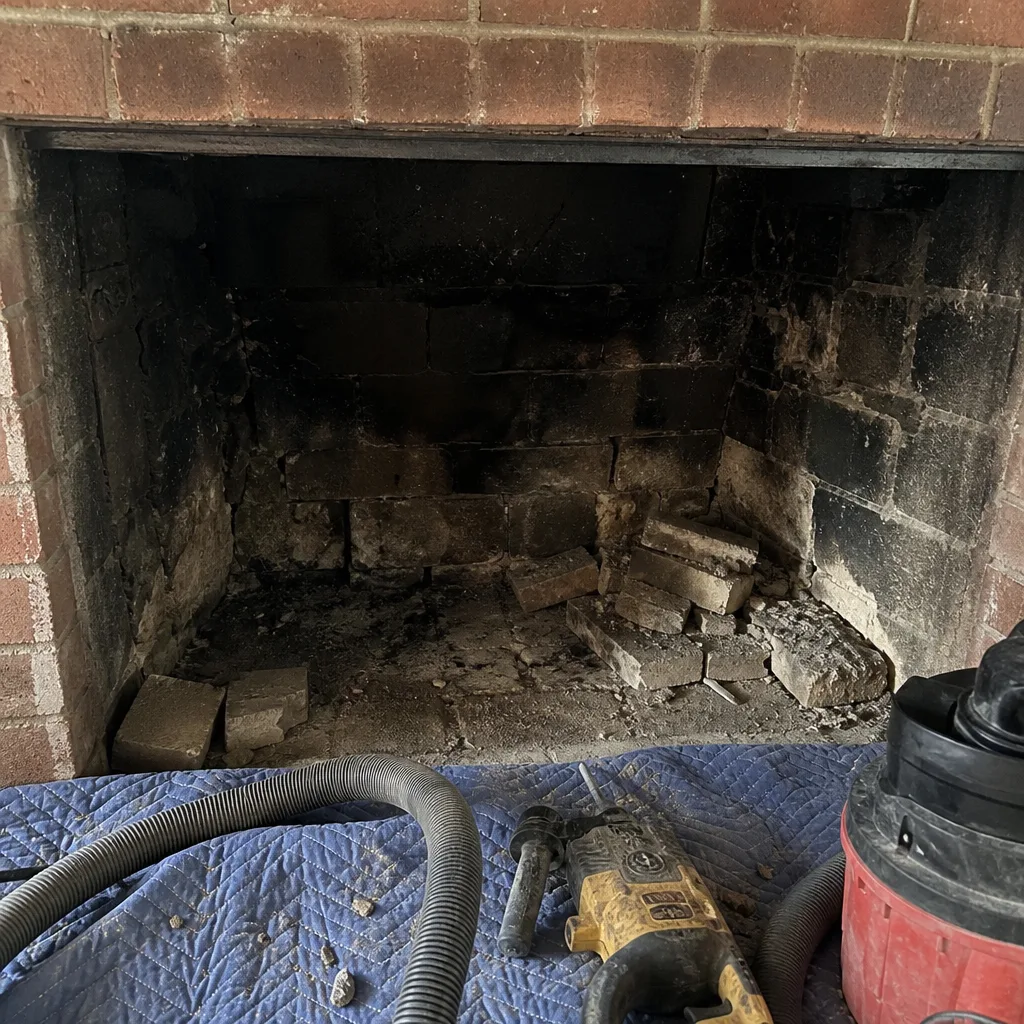 Before
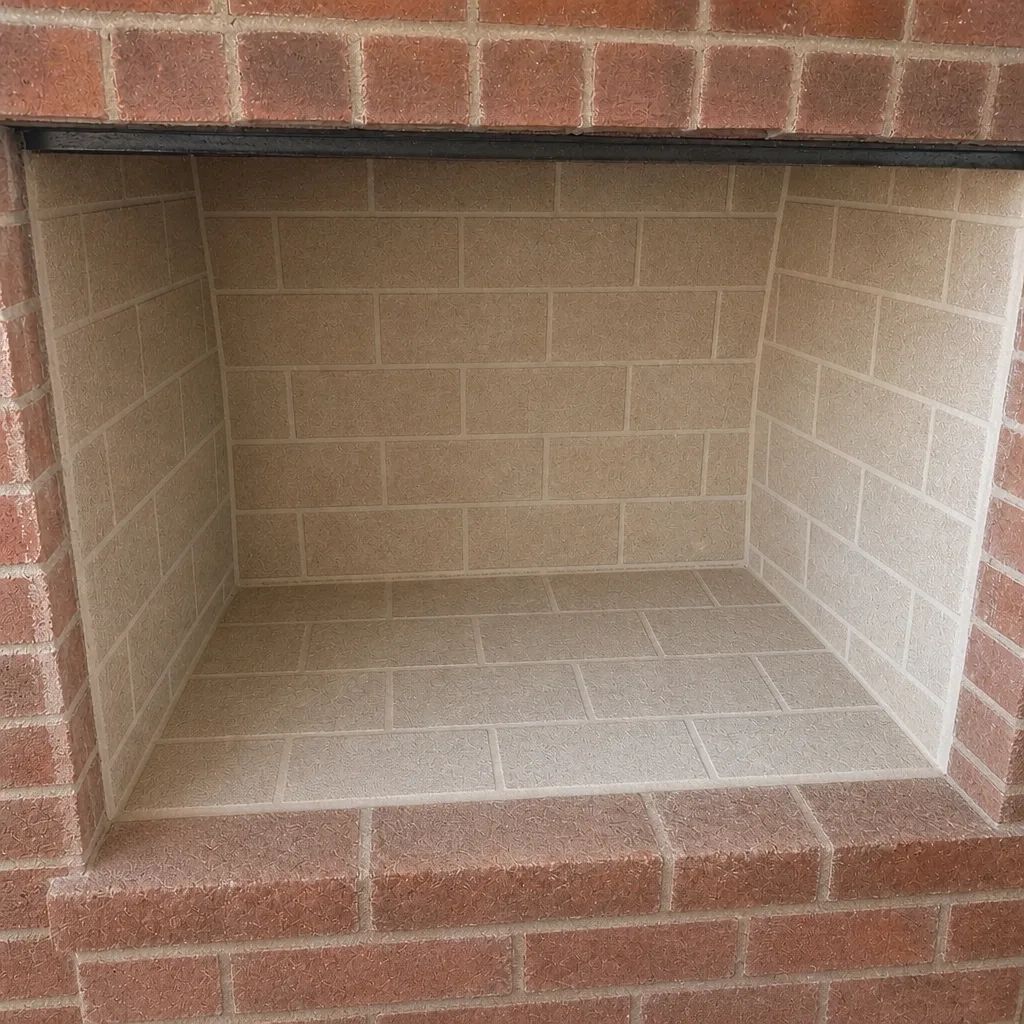 After
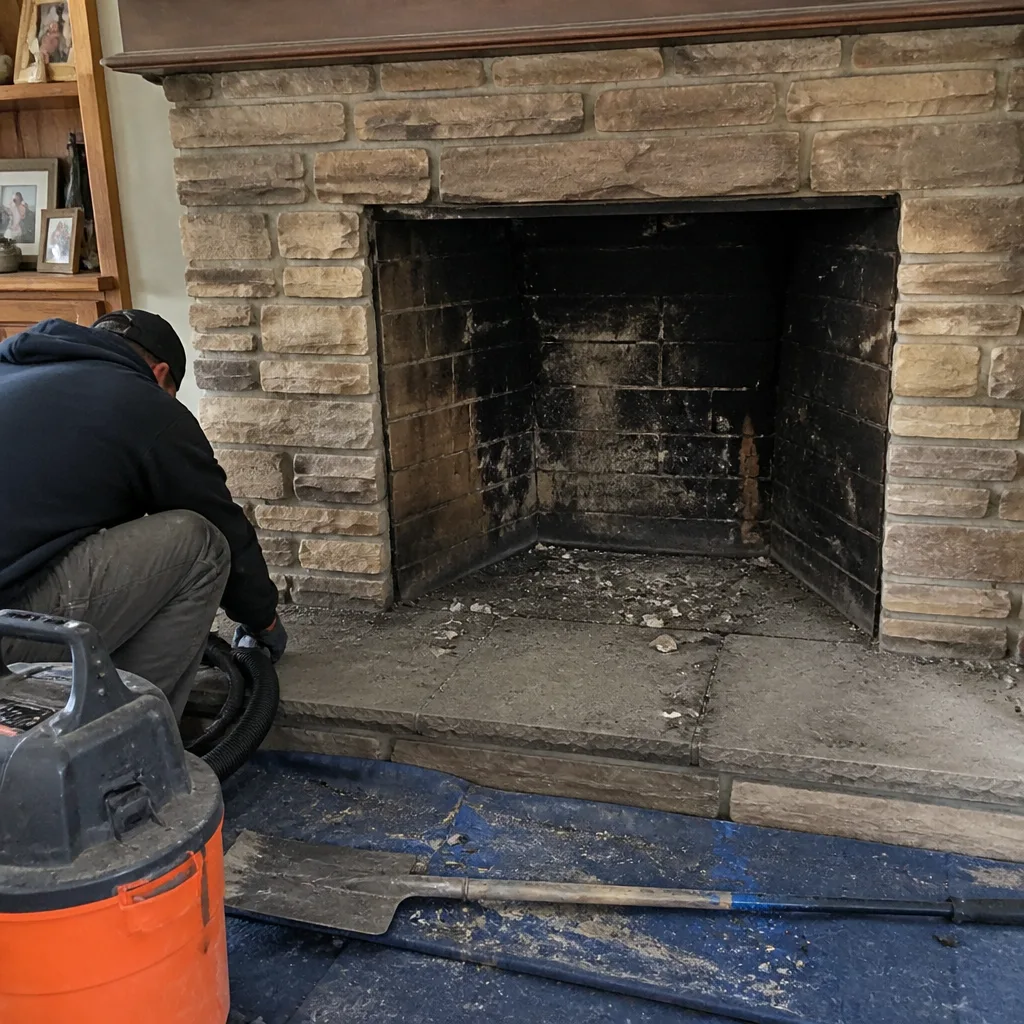 Before
 After
 Before
 After
When to Call a Professional
Some chimney work is simple visual checking. Others are jobs for someone trained to do it. Call a professional if you see any of the following: cracked or missing mortar on the exterior; a spalled brick face; a cap that’s loose, missing or has torn mesh; a damper that won’t seal; a flue liner that’s cracked, glazed or missing; a smell of smoke in the house when the fireplace isn’t running; a creosote flake on the roof; or a chimney fire, even a small one. High-tension chimney components, flue liners and structural masonry are not DIY jobs. Call a professional before touching them. Draper Chimney Sweep offers free estimates in Draper, call (855) 658-4373. We answer 24/7, with fast dispatch from 7am to 7pm, Sunday through Friday.
Frequently Asked Questions
Once a year for most households that burn regularly, with a seasonal inspection added in spring and a mid-season check only if creosote signs or draft problems appear. Heavy burners (four or more fires per week) may need sweeping more often than once. The annual sweep handles the cleaning; the inspection handles the condition assessment, and they’re different jobs that shouldn’t be merged into a single cheap visit. Call (855) 658-4373 for a free estimate.
September is the best month for most homes, ahead of the cold snap and the fall rush. A September sweep leaves time for any repair the inspection turns up, and it starts the burn season with a clean flue. Summer bookings are ideal for anyone expecting liner work, since the calendar is far less crowded than in October or November.
Yes, on days when the Utah Division of Air Quality issues a no-burn alert for the Wasatch Front, wood burning is restricted for most households. Plan on a furnace backup for those stretches and check the DAQ forecast before lighting the fireplace during an inversion. If you’re unsure whether the restriction applies to your situation, check the current alert before burning.
The cap is the chimney’s first line of defense against water, animals and wind-blown debris, and it’s the component most likely to be missing or damaged. A missing cap lets rain down the flue and invites birds and squirrels into the chimney. A torn mesh lets embers out. We install trade-grade caps from lines like Gelco and Famco because hardware-store substitutes tend to fail the same way twice. Call (855) 658-4373 for an inspection and estimate.
Freeze-thaw damage to masonry, spalling brick, separated flashing and crown cracks, which all get worse over the summer if they’re not addressed. A fall sweep focuses on what’s inside the flue; a spring inspection focuses on what’s outside the structure. In Draper, spring is the first moment after the thaw when the exterior tells you what winter actually did.
That depends on the extent of the damage, and it’s a decision that should be made from camera evidence, not from a sales pitch. HeatShield ceramic resurfacing can extend the life of a liner with minor deterioration without a full reline; a fully cracked or missing liner usually needs a new liner system such as a DuraFlex installation. We don’t recommend liner work without showing you the evidence first. Call (855) 658-4373 for a free estimate.
The Bottom Line
Draper’s chimney care isn’t one annual event. It’s four seasonal tasks. Spring finds the winter’s damage. Summer handles moisture, caps and the smart window for liner work. Fall sweeps and inspects before the burn season starts. Winter manages creosote, draft and DAQ no-burn days. The annual sweep is the floor. The seasonal plan is what keeps you out of the repair cycle. Whether you’re a long-time Draper homeowner, a buyer needing a pre-purchase inspection, or a seller needing a written condition report, the goal is the same: know what’s happening to the chimney before it becomes a repair. One call covers cleaning, inspection and repair, and the products we install (DuraFlex liners, HeatShield resurfacing, Gelco caps and crowns, Olympia Chimney and Copperfield components) come from trade suppliers rather than hardware-store shelves.
Draper Chimney Sweep handles chimney sweep, fireplace repair, chimney repair, chimney inspection, and chimney cap and crown services. If the seasonal schedule above is more than you want to track, chimney sweep services are the place to start, and a Draper Chimney Sweep booking covers the sweep and inspection in one visit. Our technicians have up to 11 years of experience. Call (855) 658-4373 for a free estimate. We answer 24/7, with fast dispatch from 7am to 7pm, Sunday through Friday.
Written by the team at Draper Chimney Sweep.