
Last updated November 24, 2026
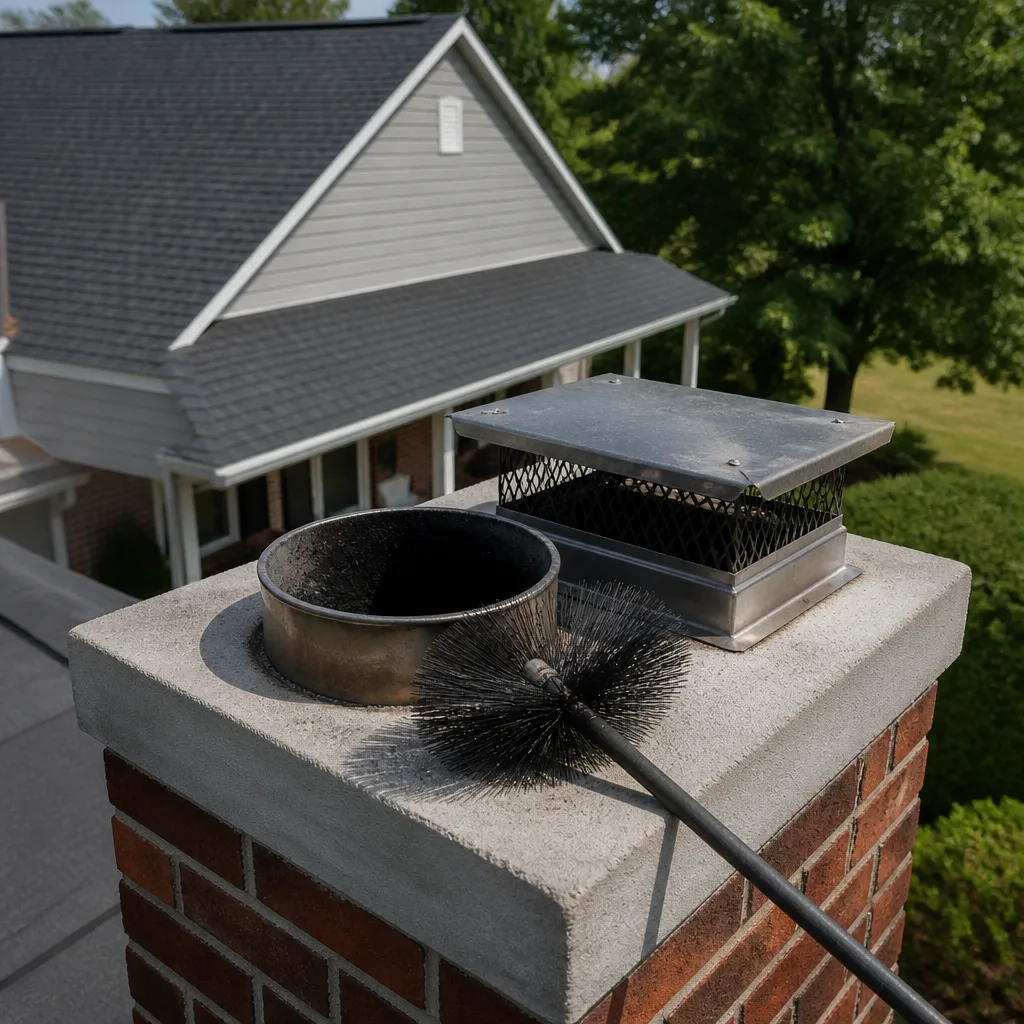 Sweep & inspection
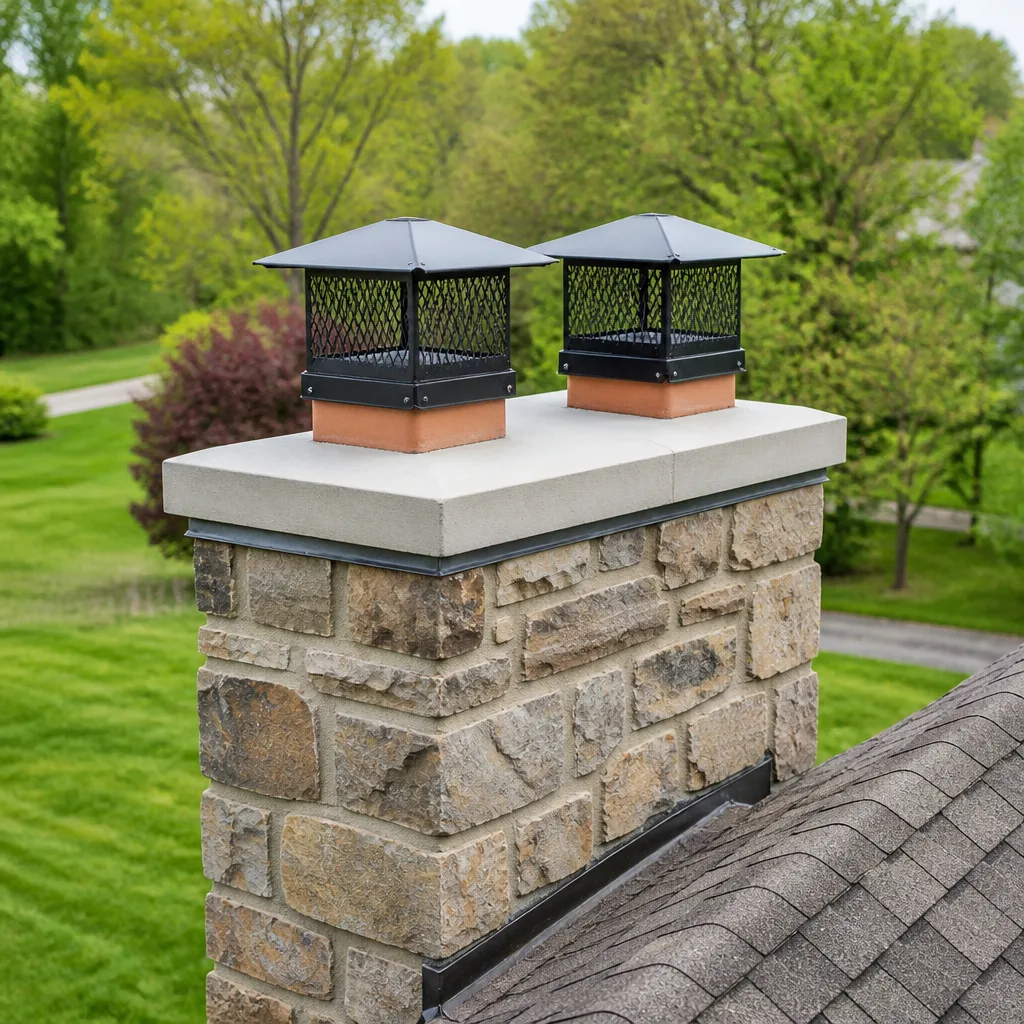 Caps & crowns
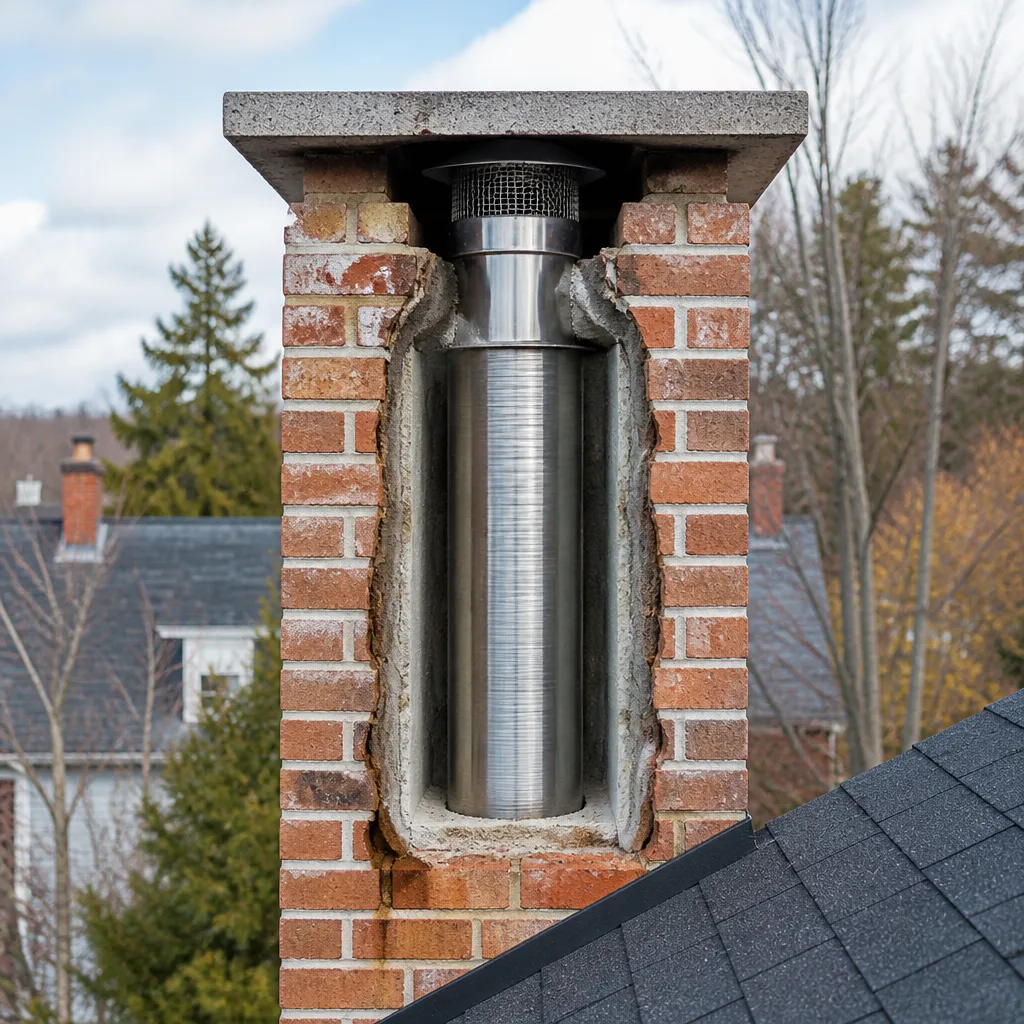 Flue relining
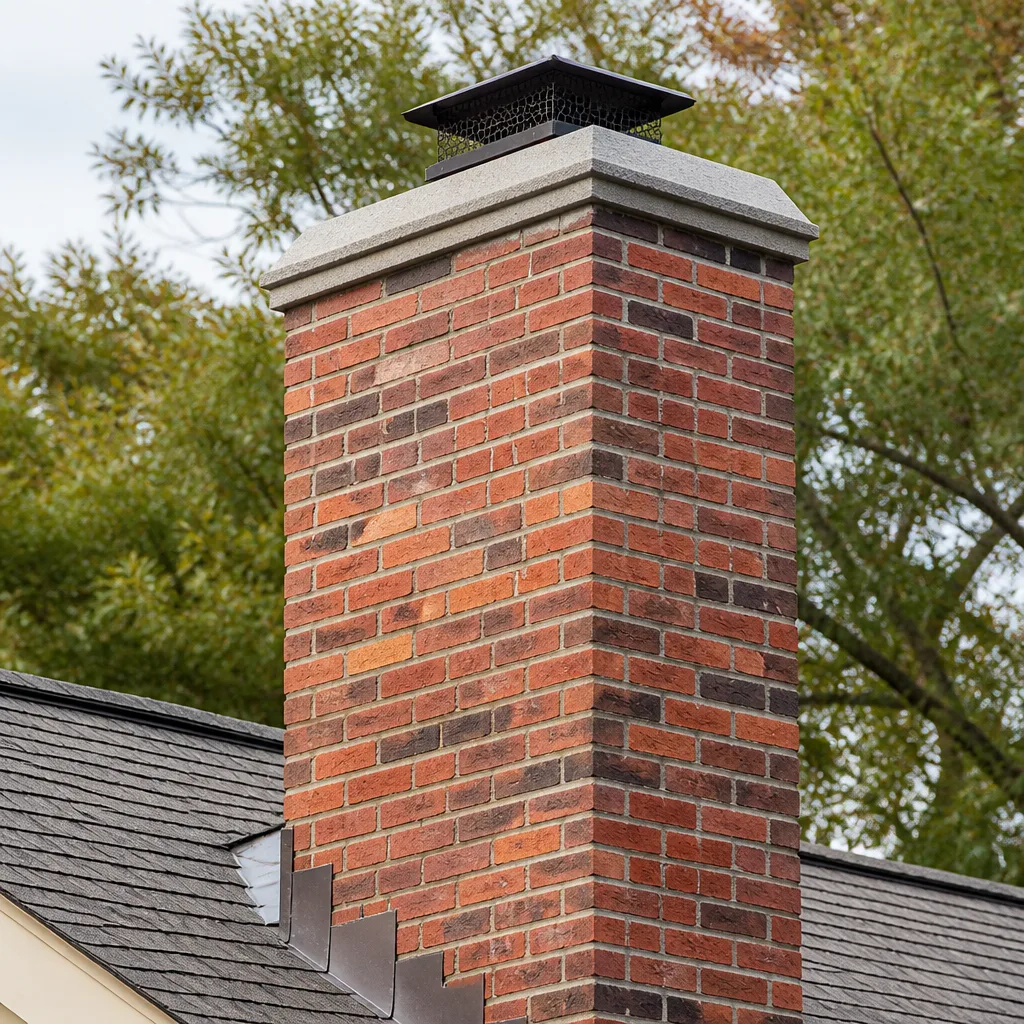 Masonry repair
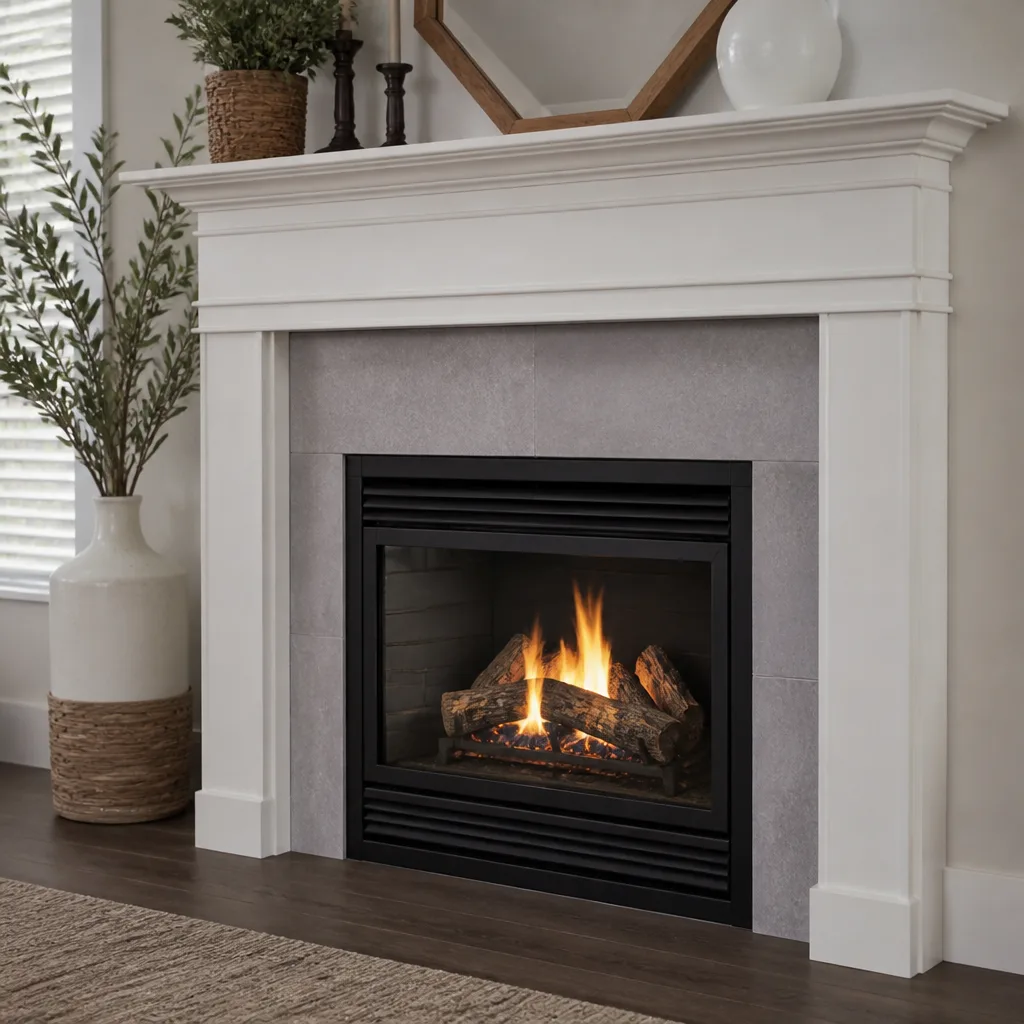 Gas fireplace service
Level 1 sweep and inspection to the NFPA 211 annual standard - flue, crown, cap, and flashing checked and photographed
Chimney sweep logs do not sweep chimneys. They loosen some creosote - which then falls where a brush and vacuum still have to collect it.
Chimney Cleaning Permits, Codes & Inspections in Draper, UT: What You Need to Know
A chimney cleaning doesn’t need a permit. A new stainless steel liner installation does. The problem is that most homeowners don’t know they’ve crossed that line until they’re trying to sell the house and the inspector flags the work as unpermitted. That gap between “routine maintenance” and “regulated construction” is where real estate deals stall and insurance claims get complicated. This guide draws the line clearly for Draper homeowners. You’ll learn which chimney tasks are exempt, which trigger a permit, how NFPA 211 and the residential code apply on a Draper lot, what a Level 2 inspection covers, and how to check that whoever worked on your chimney actually pulled the right paperwork.
Quick Answer
Routine chimney cleaning and a Level 1 visual inspection are permit-exempt in Draper. Permits are typically required when work crosses into structural or system changes: installing a new liner, replacing a flue, connecting a new appliance, or altering the chimney chase. A Level 2 inspection is required for real estate transactions, after a chimney fire, or after any system change, and it’s the report that both insurers and buyers want to see.
Styles & brands we work with
- Sweep & inspection
- Caps & crowns
- Flue relining
- Masonry repair
- Gas fireplace service
Table of Contents
- Where the Permit Line Sits in Draper
- How NFPA 211 and the Residential Code Apply
- What a Level 2 Inspection Is and When You Need One
- Unpermitted Work and Your Insurance Claim
- How to Verify Permits Before Work Starts
- Chimney Compliance in a Draper Real Estate Sale
- Draper Climate and What It Does to Chimneys
- Common Mistakes to Avoid
Where the Permit Line Sits in Draper
Utah’s residential code treats routine maintenance differently from construction. Sweeping a flue, removing creosote, and swapping a chimney cap are maintenance. Cutting into the chimney structure, replacing a flue liner, or changing how an appliance vents are not. When you’re standing in a Draper living room talking to a sweep, that distinction matters more than most people realize.
Here’s how we explain it to homeowners. The permit-exempt side of the line covers everything a technician can do without altering the system:
- Brushing and vacuuming the flue
- Removing creosote and soot
- A Level 1 visual inspection of accessible parts
- Replacing or installing a chimney cap on an existing crown
- Minor firebox cleaning and damper adjustment
- Sweeping a pellet stove or wood insert flue
The permitted side covers anything that changes the structure or the venting system:
- Installing a new stainless steel liner (DuraFlex or otherwise)
- Relining a flue with a cast-in-place or ceramic resurfacing system
- Replacing a flue tile or rebuilding the chimney chase
- Connecting a new wood stove, insert, or gas appliance
- Rebuilding a crown that involves structural alteration
- Adding a chimney to a new build or an addition
Draper City’s building department reviews the permitted items against the adopted residential code before issuing anything. The exempt items simply don’t reach that desk. If you’re ever unsure which side of the line a job falls on, the safe move is to ask the department directly before work begins. A five-minute call now saves a five-figure headache at closing.
How NFPA 211 and the Residential Code Apply
Two documents shape chimney work in Draper. NFPA 211 is the national standard for chimneys, fireplaces, vents, and solid fuel appliances. The International Residential Code, adopted by Utah and enforced locally, is the construction code that governs how a chimney is built and connected. They overlap, and understanding which one applies to your situation keeps you from paying for the wrong thing.
NFPA 211 sets the inspection standard. It defines the three levels of inspection, the clearances a chimney needs from combustibles, and the criteria a technician uses to decide whether a flue is safe to use. This is the standard a sweep follows when they tell you a flue is compromised or a liner has failed.
The residential code, adopted at the state level and enforced by Draper, governs the construction side. It specifies the materials a liner can be, the clearances that must be maintained, and the venting requirements for each appliance type. When a permit is issued for a liner replacement, the work is inspected against Chapter 10 of that code along with NFPA 211.
What this means in practice for a Draper homeowner:
- A cleaning is measured against NFPA 211 for safety and condition, not against a permit file.
- A liner replacement is measured against both, and a Draper inspector signs off on the code side.
- If a technician finds a clearance problem or a broken flue tile during a cleaning, the repair that follows is usually a permitted job, not a maintenance task.
- Any paperwork you receive should reflect which standard was applied.
In our experience, the confusion usually lands on liner work. A homeowner hears “relining” and assumes it’s maintenance because the chimney already exists. It isn’t. A new liner is a system change, and it needs the same permit consideration as installing a new appliance. We’ve walked into plenty of Draper homes where a liner was installed without one, and sorting it out later is always more expensive than doing it right the first time.
If you’ve been told your flue is failing and you’re weighing a full reline against a repair, a proper inspection is the place to start. Our Draper Chimney Sweep team handles the diagnosis and the repair in the same house, so you’re not handed between companies while the paperwork slips.
What a Level 2 Inspection Is and When You Need One
A Level 2 inspection is a more thorough evaluation than the basic visual check, and it’s the one that gets required in specific situations. It includes everything a Level 1 covers plus accessible portions of the attic, crawlspace, and any areas around the chimney that can be reached without dismantling the structure. It typically involves a camera run through the flue so the technician can see the liner’s condition on a screen.
NFPA 211 requires a Level 2 inspection in these circumstances:
- Any real estate transaction involving the property
- After a chimney fire, whether or not the fire was reported
- After any change to the venting system or appliance connection
- When an appliance is replaced with one that burns a different fuel or has different venting needs
- When there’s evidence of a problem a Level 1 can’t resolve, such as a sudden draft issue or water intrusion
For buyers and sellers in Draper, the real estate requirement is the one that comes up most. A Level 2 inspection before closing gives you a documented report of the chimney’s condition. That report is what a lender, an appraiser, or an insurance underwriter may ask to see. It’s also the document that protects a seller from a surprise problem discovered after the sale.
What the inspection covers, in plain terms:
- A visual assessment of the firebox, damper, smoke chamber, and flue interior
- A camera inspection of the flue liner’s full run
- Accessible attic, crawlspace, and exterior structure around the chimney
- Confirmation of clearances to combustibles
- A written report of conditions found, with photos where applicable
- Recommendations, separated into “should fix now” and “can wait” categories
We offer inspections as a standalone service, not only as part of a cleaning. That matters for buyers, sellers, and cautious owners who want an objective condition assessment without being upsold on a cleaning at the same time. Our technicians have up to 11 years of experience reading flue condition, and they’ll show you what they find on camera rather than describing it in vague terms you have no way to verify.
Level 2 inspections also come up after a chimney fire, and they’re the reason a fire that seemed to be fine can still leave a home unsafe. A fire in a flue lined with heavy creosote can crack the liner. The next fire runs against a compromised barrier. If you’ve had a fire in the flue, whether it was reported or not, a Level 2 inspection is the way to confirm the liner still holds.
Unpermitted Work and Your Insurance Claim
Unpermitted chimney work can affect a homeowner’s insurance claim, and this is where the rubber meets the road for many Draper homeowners. If a fire or water claim traces back to a liner installed without a permit, the insurer may treat the underlying work as non-compliant. That doesn’t automatically mean a denial, but it does mean the claim can get complicated at precisely the moment you need it to go smoothly.
Here’s what tends to happen:
- A liner is installed without a permit and without inspection
- It’s installed to the wrong standard, or undersized for the appliance
- A chimney fire or draft failure occurs years later
- The adjuster asks for documentation of the installation
- Nothing exists to show the work met the code
The adjuster’s job is to figure out whether the loss came from a code-compliant system or a non-compliant one. With no permit and no inspection on file, you’re relying on the installer’s word years after the fact. That’s a weak position to be in when a claim is on the line.
On new construction, this is managed by the builder’s permit and inspection record. On a resale, a buyer’s inspector will flag it. On an insurance claim, an underwriter will ask for it. The pattern repeats in every one of those situations: someone eventually wants to see documentation of work that was done on the chimney.
A permitted job leaves a paper trail. That trail includes the approved permit, the inspection sign-off, and the specifications of what was installed. When an insurer asks a reasonable question about a liner replacement, the answer is on file. When a buyer’s inspector raises a question, the same file answers it.
This is one of several reasons we handle liner installations with the trade-grade product lines we’re authorized to work with. DuraFlex and Olympia Chimney liner systems are engineered for their application and, when the paperwork is in order, they’re documented. A liner sourced from a hardware-store shelf with no spec sheet creates a different kind of problem entirely.
If you’re not sure whether the liner in your Draper home was properly permitted, an inspection is the place to start. We can look at the condition and tell you what the flue shows, and we can advise on whether the install looks consistent with a permitted job. If the answer is that a permit was never pulled, you’ll at least know what you’re dealing with.
How to Verify Permits Before Work Starts
When you’re about to hire someone for a permitted job, verifying the paperwork is straightforward if you know the steps. Here’s the sequence we recommend to every Draper homeowner:
- Ask which permits the job requires. A licensed contractor should be able to name them without hesitation. If the answer is “none needed,” ask why this job is exempt while a similar one would not be.
- Ask for the permit number once it’s been pulled. A permit number lets you verify the work has been registered with the city before it starts. If a contractor says they’ll pull it after the work, that’s a red flag.
- Confirm the permit is posted or accessible before work begins. In most jurisdictions, the permit needs to be visible at the site or on record with the department.
- Schedule the inspection after the work is done. The city inspector signs off on the completed job. Don’t let a contractor tell you the inspection is optional.
- Keep the inspection sign-off with your home’s records. This is the document your insurer or a future buyer may want to see.
If you want to verify a permit yourself, you can call Draper City’s building department during business hours. Give them the address and ask whether a permit has been pulled for chimney work. It’s a quick call and it’s the only reliable way to confirm the paperwork exists.
What to do if you find that a contractor didn’t pull the required permit:
- Stop the work if it’s still in progress and ask for the permit before it continues
- If the work is already complete, ask the contractor to pull a permit retroactively; some jurisdictions allow it
- If they won’t, contact the building department and explain the situation
- Have the completed work inspected by a qualified technician, and document what they find
- Keep every document, because the inspection record is what a future buyer or insurer will want
There’s a pattern we’ve seen more than once: a homeowner tells us a sweep came out, found a cracked flue tile, and “fixed it in the same visit” without a permit. That visit crossed the line from maintenance into repair. The work may look fine and hold up well, but without a permit and an inspection, the homeowner has nothing to prove it.
The real cost of unpermitted work shows up later. A sale stalls, an insurance claim gets questioned, or a new owner inherits a problem they didn’t create. Getting the permit at the outset is the cheap version of the story. Getting it retroactively after the fact is the expensive one.
If you’re not sure what your chimney needs, start with an inspection. Our chimney repair team can pull the records needed and talk through the code side before anything is moved.
Chimney Compliance in a Draper Real Estate Sale
When a Draper home goes on the market, the chimney becomes a line item in the disclosure and inspection process. Buyers ask for a Level 2 inspection. Sellers want to show the chimney is in good condition. And if any prior work was done without a permit, the inspection is where it surfaces. NFPA 211 requires a Level 2 inspection in a real estate transaction, and both sides of the deal benefit from having it done before closing rather than after.
What the parties typically need, in order:
- A Level 2 inspection, performed by a qualified technician before the closing date
- A written report documenting the chimney’s condition, with photos where possible
- Verification of any permits for prior liner or repair work
- A remediation plan if the inspection surfaces a problem
- Documentation of any remediation performed before closing
A buyer who skips the inspection is taking on whatever the chimney holds. A seller who skips it risks a late-stage renegotiation or a stalled deal if the buyer’s inspector turns up something. The middle ground, an inspection before the property is listed, is usually the cleanest path.
Draper’s older neighborhoods around the city center have chimneys that have been serving the same flues for a long time, and a pre-listing inspection often surfaces issues a visual scan alone would miss. Newer construction on the east bench has different considerations, but the same NFPA 211 standard applies. The climate here pushes both kinds of homes hard, and that’s worth understanding before you buy or sell one.
Draper Climate and What It Does to Chimneys
Draper’s climate is a real factor in how a chimney ages. Cold winters, sudden warm swings in late winter, and the freeze-thaw cycle all work on the exterior masonry and the crown. Chimneys here take a beating in ways chimneys in milder regions don’t. Understanding the local pattern helps you understand why a repair that seemed fine last spring can look overdue by fall.
The freeze-thaw cycle is the big one. As the temperature swings below and above freezing through a Utah winter, water that has entered a hairline crack in the crown or the masonry expands on the cold end and contracts on the warm end. Over a few seasons, that cycle widens the crack. Once water reaches the flue, the damage accelerates. This is why the crown and the cap matter so much here. A properly installed cap and a sound crown keep water out before it has a chance to do the work.
Burning season puts a second stress on the system. A Draper household that fires the fireplace regularly through the winter builds creosote in the flue. Creosote accumulates, and it’s flammable. The frequency of cleaning depends on how much you burn and what you burn, but once a year is the common recommendation and more often for heavy use. Skipping it isn’t a shortcut; it’s a buildup in the flue that eventually affects draft, performance, and fire risk.
What the local climate means for the work we recommend:
- Crown inspection and repair matters more here than in warmer climates
- Freeze-thaw damage on masonry should be addressed before the next winter
- Creosote buildup accumulates faster in heavy-use households
- A sound cap is the first line of defense against water and animal entry
Draper’s east bench homes sit at slightly higher elevation and see colder nights than the valley floor, which tends to make the freeze-thaw cycles sharper. Homes closer to the valley center get a slightly milder version of the same pattern. In our experience, either way, the maintenance calendar for a Draper chimney should put the inspection in the fall before the burning season and not wait until mid-winter to notice the crown has failed.
If you’re seeing water stains on the firebox or a chimney that’s started to draft poorly, those are often the first signs the crown or the cap has given up. A fireplace repair appointment at the start of the season can catch those in time, and our cap and crown work is done with Gelco and Famco products so the fix is engineered rather than improvised.
Common Mistakes to Avoid
- Assuming a liner replacement is maintenance. It isn’t. A new liner changes the venting system, and in Draper that usually triggers a permit. The permit is a small line item on the job; the lack of one can be a large one at resale.
- Accepting “we’ll pull the permit after.” A permit should be pulled and posted before the work starts. If a contractor wants to handle it after the job, that’s a sign the process is being cut short.
- Skipping the Level 2 inspection in a real estate deal. Buyers who skip it inherit whatever the chimney holds, and sellers who skip it risk a problem discovered late. The inspection is required in a transaction, and it’s worth having.
- Treating a Level 1 visual check as a full inspection. A Level 1 is fine for a routine cleaning. It doesn’t see the flue interior, and in Draper homes near the city center, the flue interior is often where the problem lives.
- Ignoring the crown until water is inside. Draper’s freeze-thaw pattern turns a hairline crown crack into a real leak over a couple of winters. Addressing the crown early costs a fraction of what water damage to the interior does.
- Letting a sweep decide the whole scope alone. A good technician will show you what the camera sees and separate “fix now” from “wait.” You should leave with a clear picture and a choice, not just a bill.
- Storing documentation nowhere. After any permitted work, keep the permit number and inspection sign-off with your home records. It’s what an insurer, an appraiser, or a buyer will want to see later.
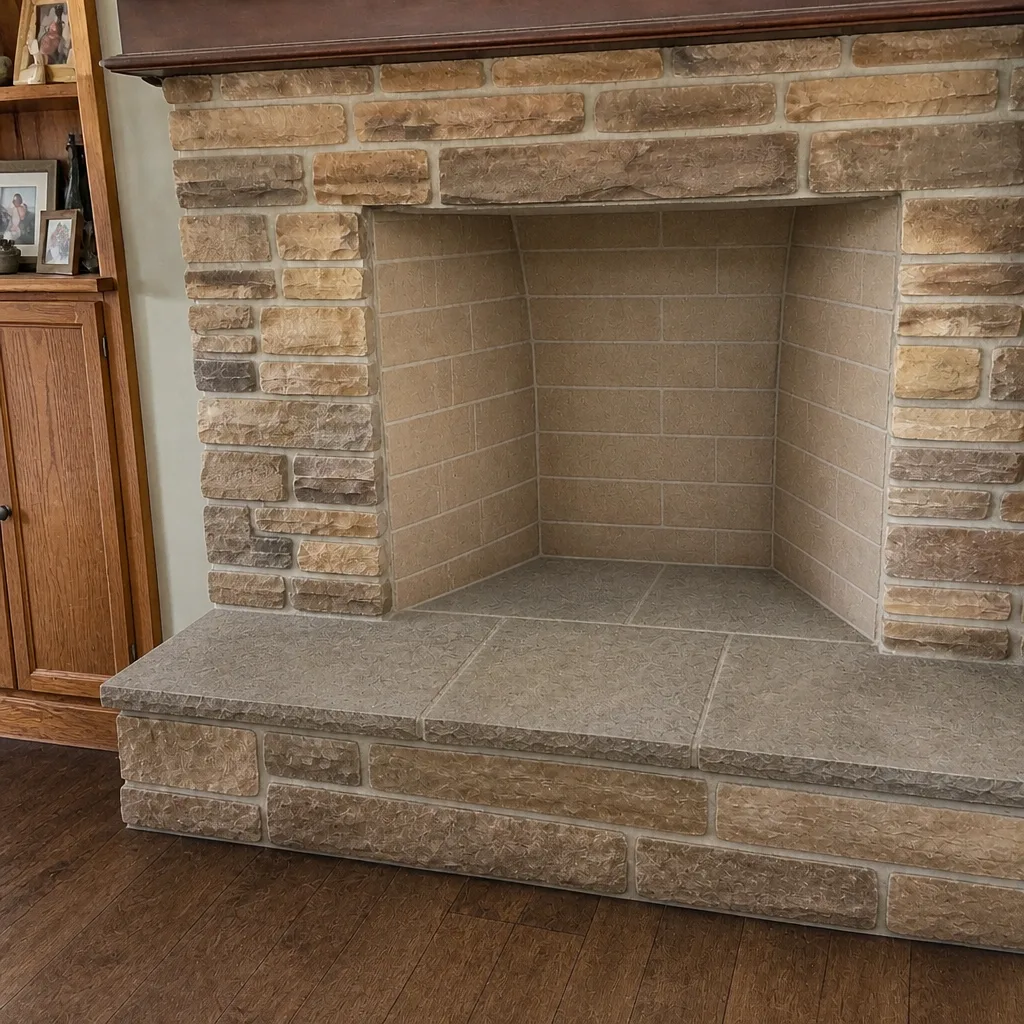
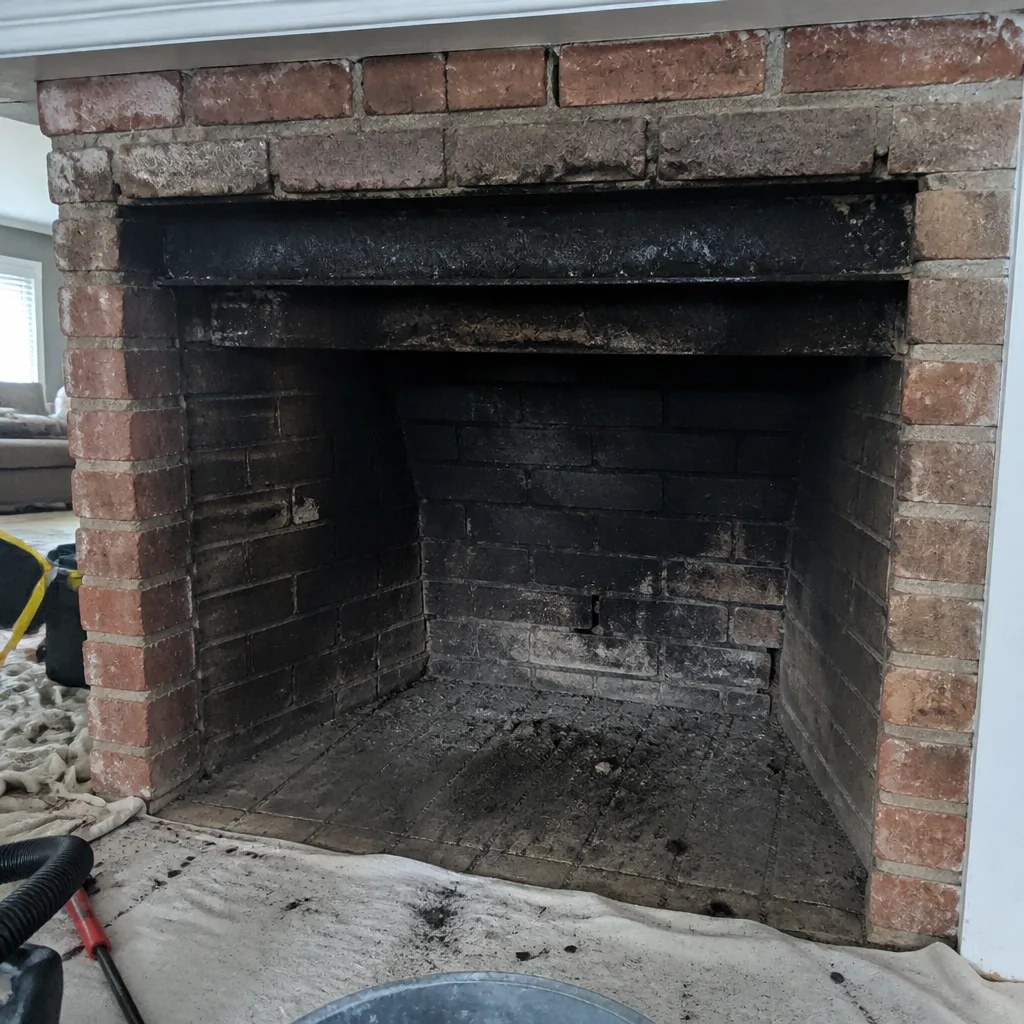
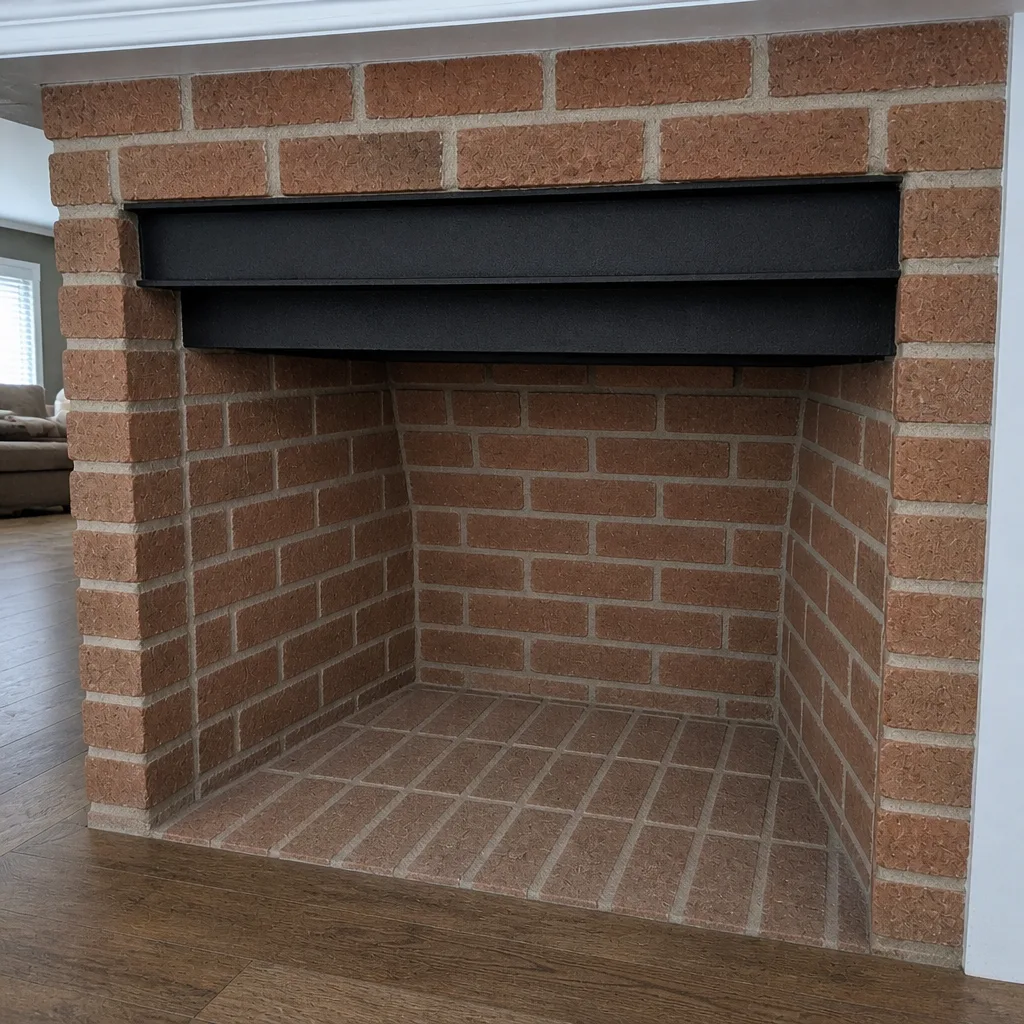
See the difference
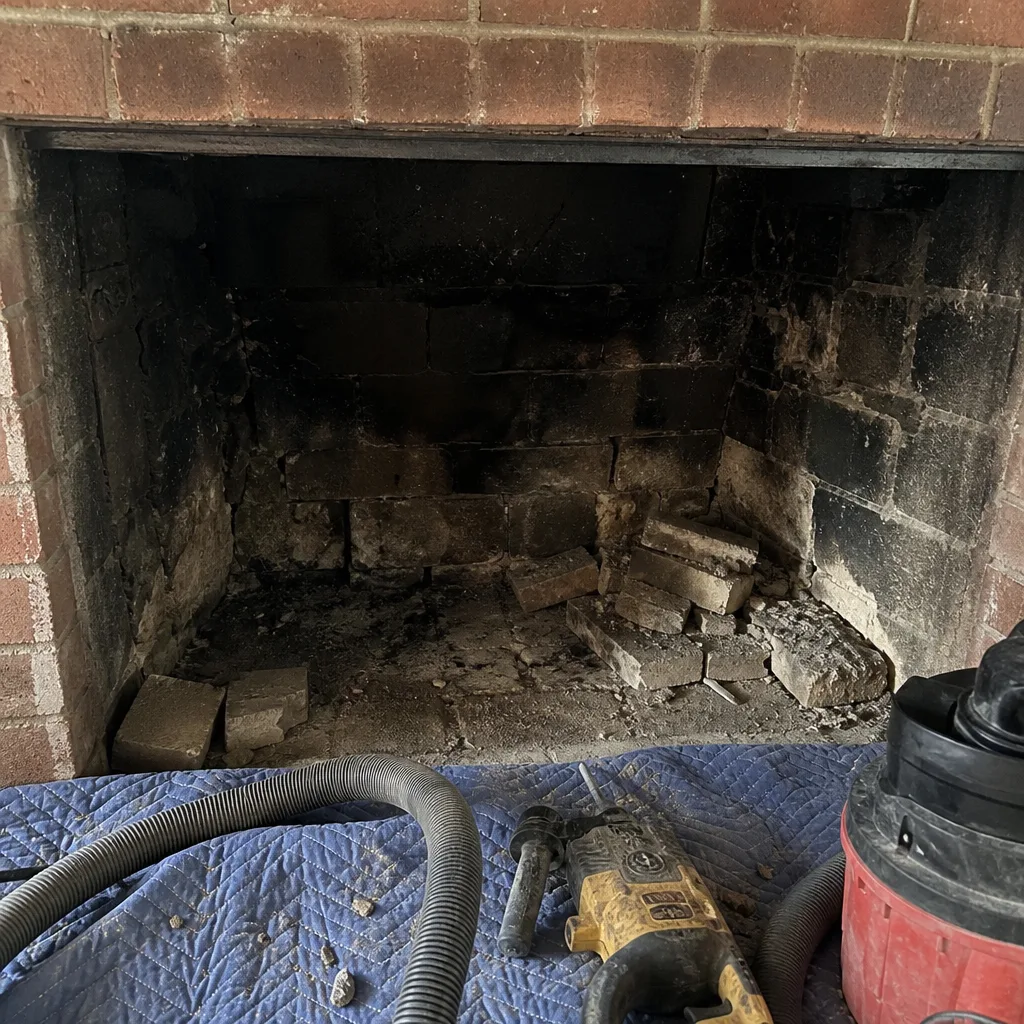 Before
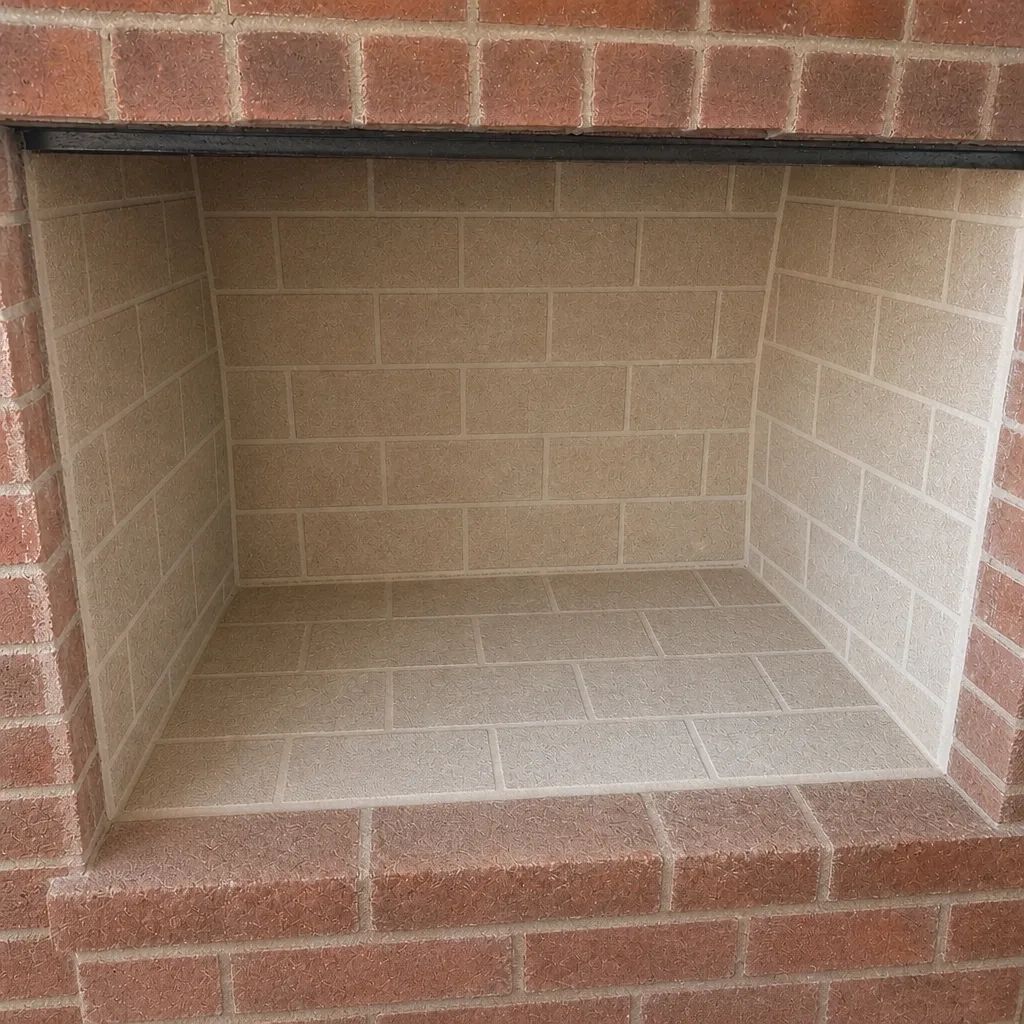 After
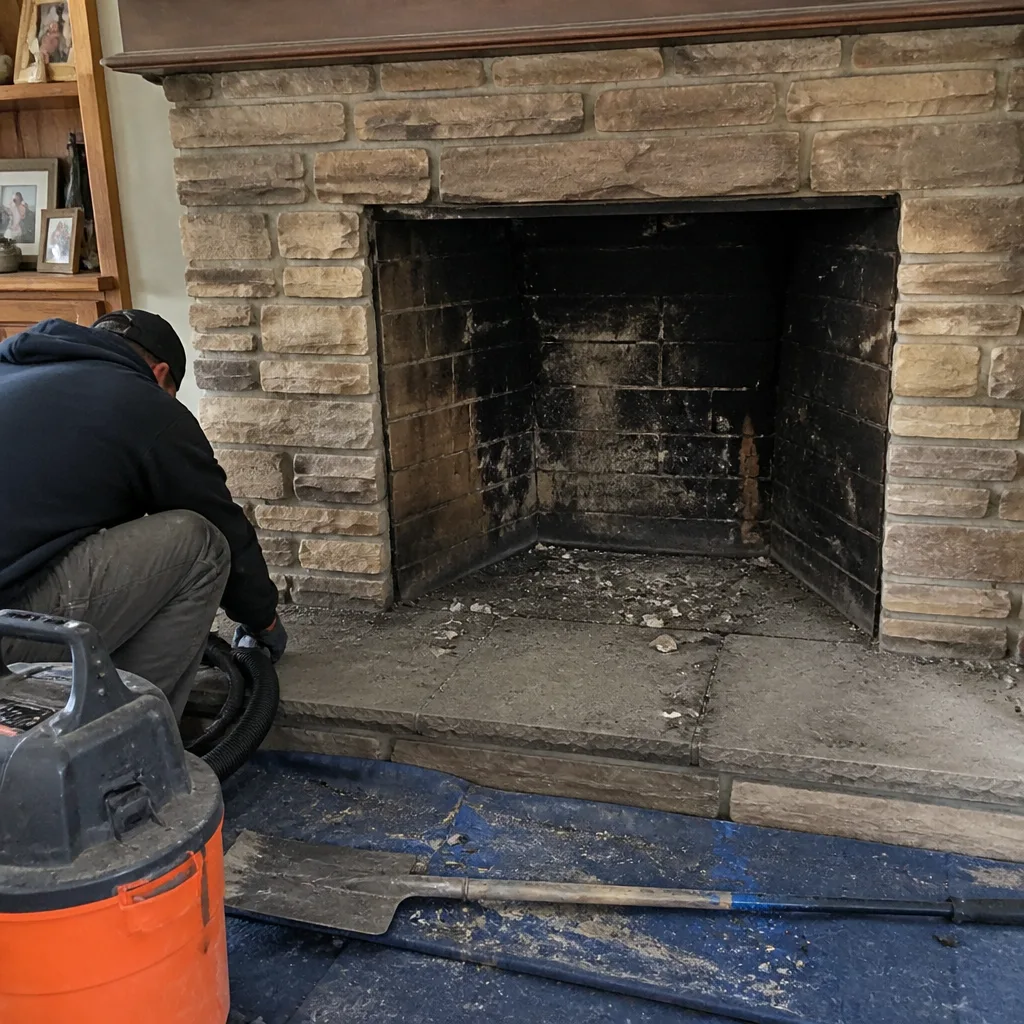 Before
 After
 Before
 After
When to Call a Professional
Some situations are clearly a call-us-now problem. Others are a “schedule it before the season” situation. A chimney fire you know about, whether it was reported or not, is a call-us-now case; the flue needs a Level 2 inspection to confirm the liner is intact. Water in the firebox or a ceiling stain near the chimney is a call-us-now case. So is a sudden loss of draft, or a smell of smoke that doesn’t clear. And a real estate transaction, whether you’re buying or selling, is a natural trigger for a Level 2 inspection.
The “schedule it” category is longer than people think. Annual cleaning for a regularly used fireplace, a fall inspection before the burning season, and a crown or cap check if you haven’t had one in a while. In our experience, most Draper chimneys need at least a look before winter arrives, and the ones that get it have a much smaller bill than the ones that don’t.
Draper Chimney Sweep offers free estimates in Draper. Call (855) 658-4373. We answer 24/7. Fast dispatch from 7am to 7pm, Sunday through Friday. We handle cleaning, inspection, and repair in the same company, so if the inspection turns up a liner problem or a failed crown, the fix happens without a handoff to another company.
Frequently Asked Questions
No. Routine chimney cleaning and a Level 1 visual inspection are permit-exempt in Draper because they’re maintenance, not construction. A permit becomes relevant when the job crosses into liner replacement, flue repair, appliance connection, or structural alteration of the chimney.
A Level 2 inspection is a more thorough evaluation that includes a camera run of the flue, accessible attic and crawlspace areas, and confirmation of clearances. It’s required in a real estate transaction, after a chimney fire, after any system or appliance change, and when a Level 1 check can’t resolve a problem.
Yes, it can. An insurer may treat a liner installed without a permit as non-compliant, and that can complicate a claim that traces back to the installation. A permitted job with an inspection sign-off gives you documentation to show the work met the code, which is the position you want to be in if a claim ever comes up.
Call Draper City’s building department during business hours, give them the property address, and ask whether a permit was pulled for chimney work at that address. If the work is recent, the contractor should also be able to give you the permit number directly. Keep that number with your home records.
Once a year is the common recommendation for a regularly used fireplace, and more often for heavy use. In Draper, an inspection before the burning season also catches crown and cap problems while they’re still small, which the freeze-thaw cycle here makes worth the effort.
An undetected chimney fire can crack the flue liner, and the next fire burns against a compromised barrier. A Level 2 inspection after any suspected fire, including a fire you weren’t sure was a chimney fire, is the way to confirm the liner is intact before the next burn season. Call (855) 658-4373 for an estimate on the inspection.
The Bottom Line
The permit question comes down to one line: maintenance is exempt, and a system change is not. A cleaning doesn’t touch the city. A liner replacement, a flue repair, or a new appliance connection does. Draper enforces the adopted residential code alongside NFPA 211, and a Level 2 inspection is required for real estate transactions, after a chimney fire, and after any system change. Getting the paperwork right at the outset protects your insurance claim, your resale, and the next owner. When a permit is needed, having it pulled and inspected is the cheap version of that story. Skipping it is the expensive one, and the bill tends to show up at the worst possible moment. If you’re not sure which side of the line your chimney falls on, a proper inspection tells you. Call (855) 658-4373 for a free estimate on cleaning, inspection, or repair, and we’ll show you what the flue actually holds. Or start with our chimney sweep page for the routine visit, and we’ll flag anything that needs more.
Written by the team at Draper Chimney Sweep.