
Last updated November 24, 2026
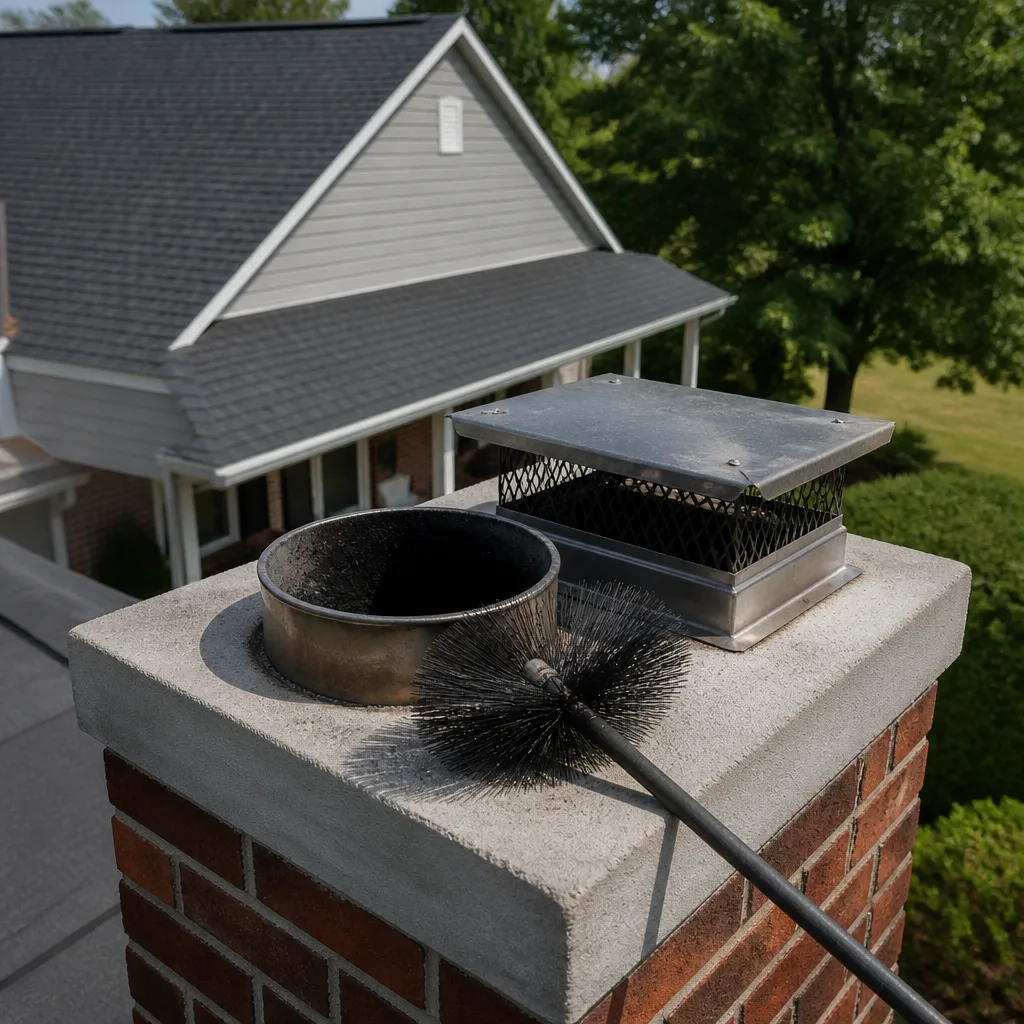 Sweep & inspection
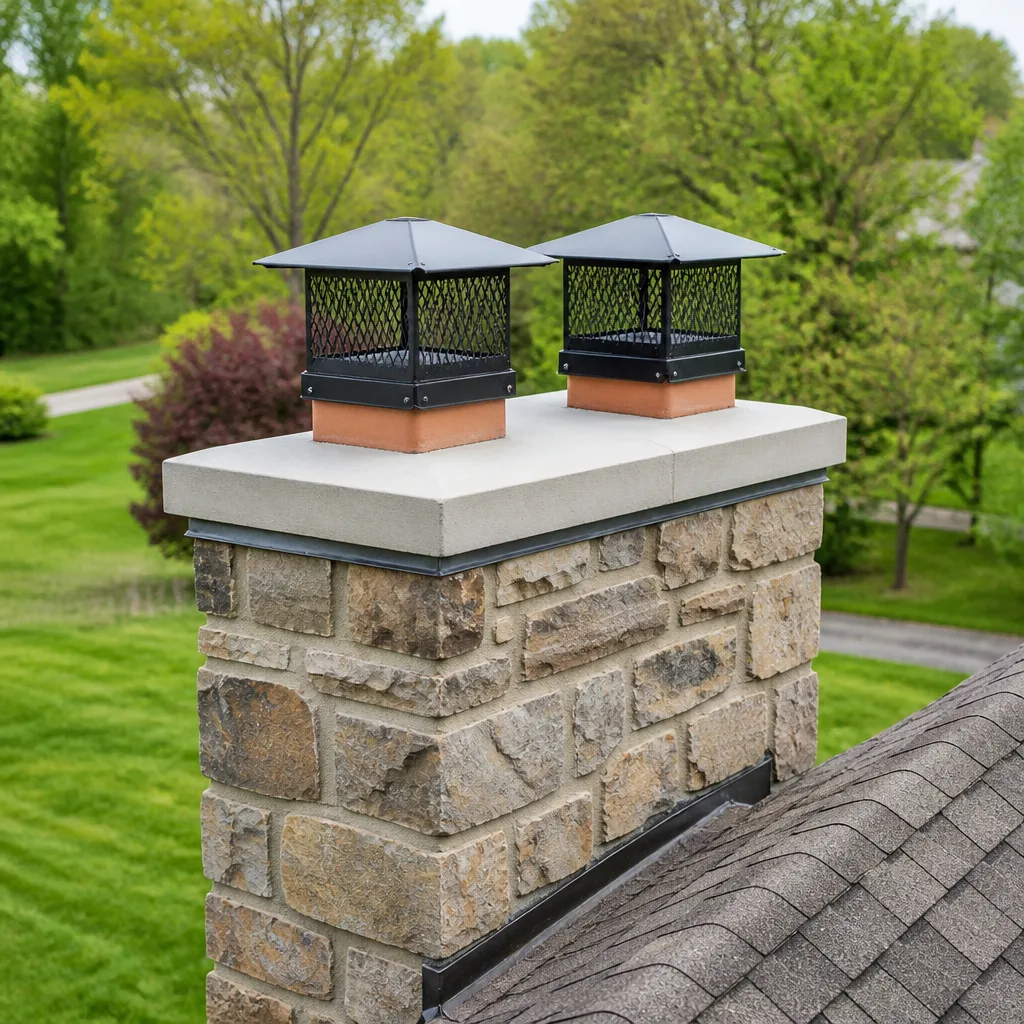 Caps & crowns
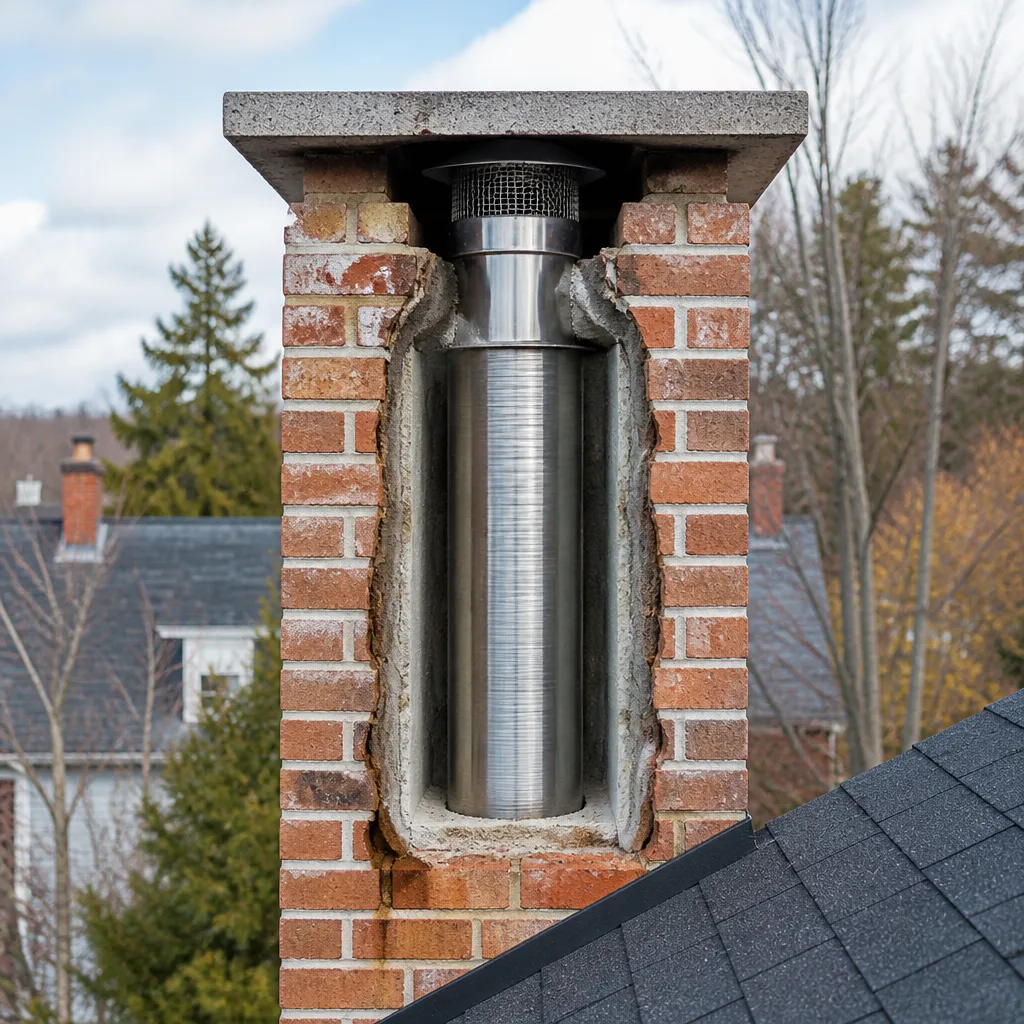 Flue relining
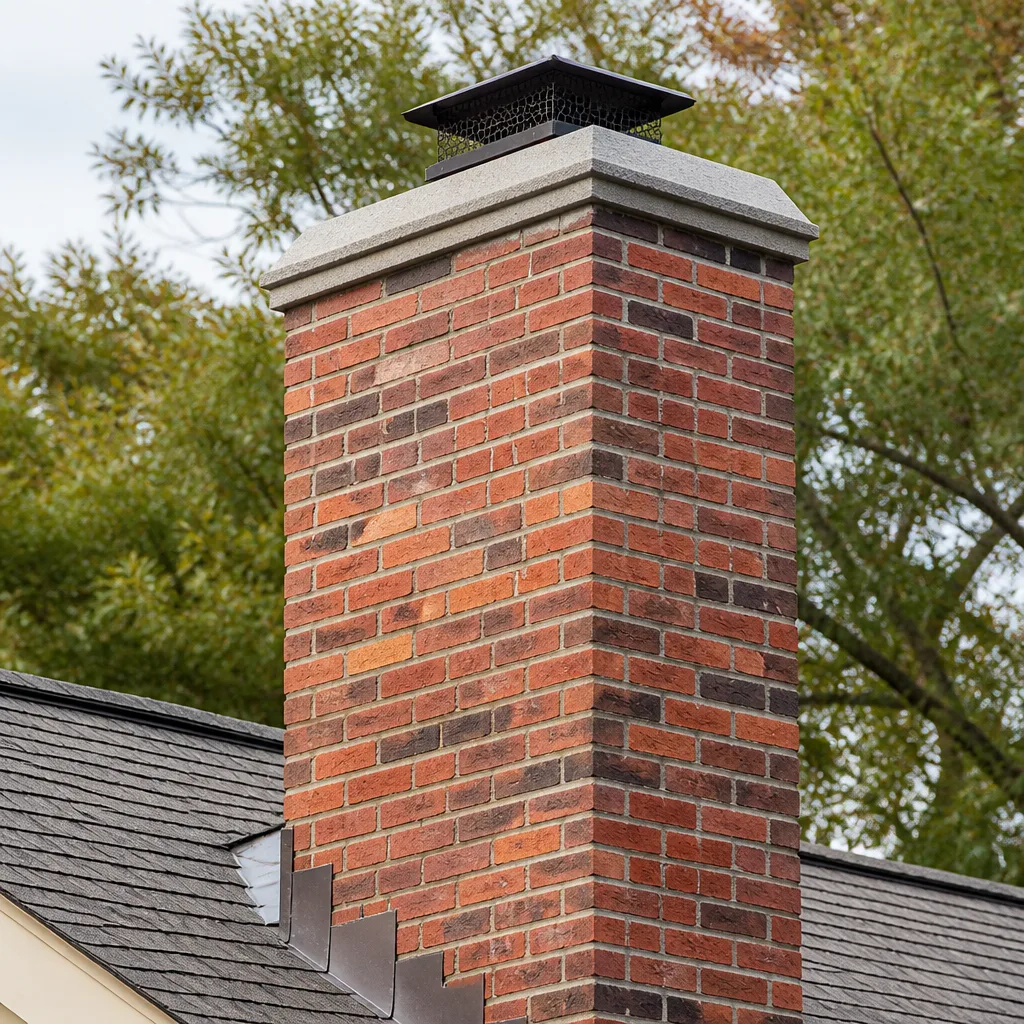 Masonry repair
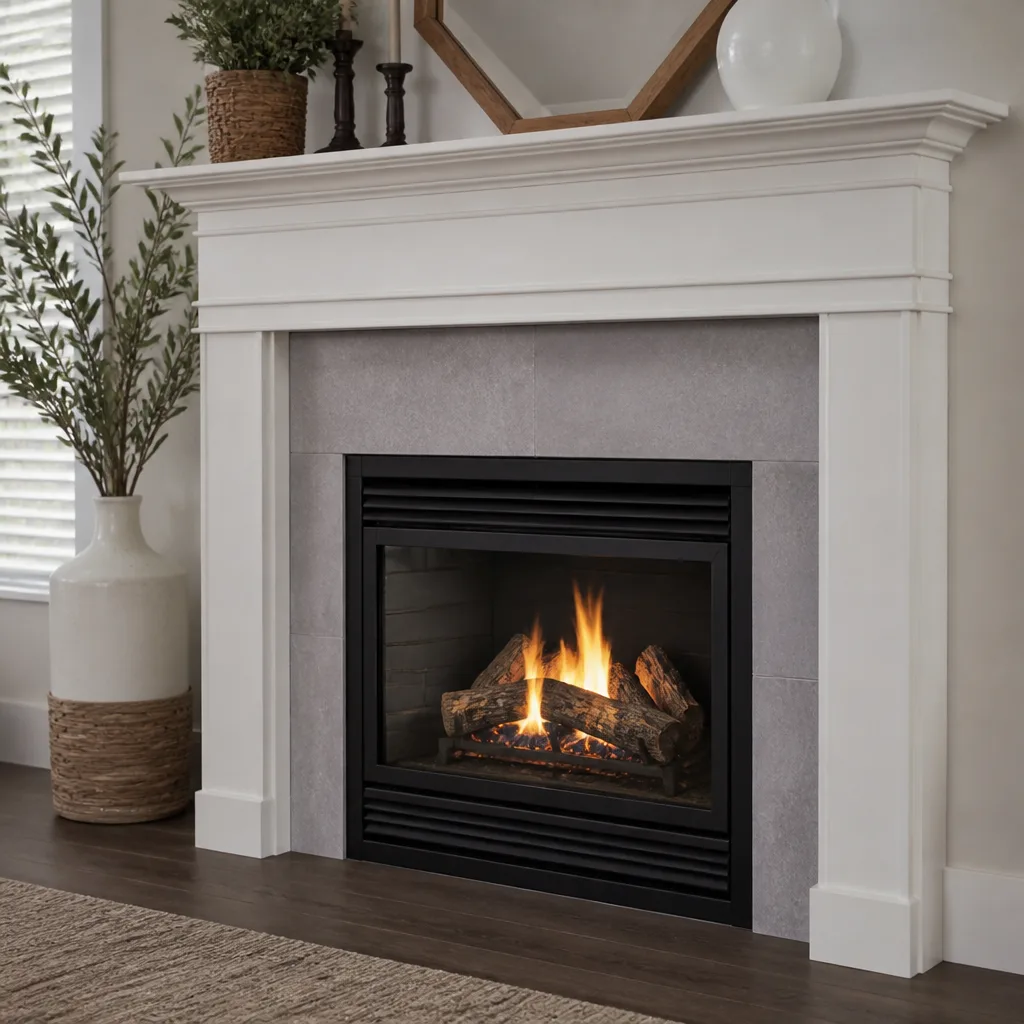 Gas fireplace service
Level 1 sweep and inspection to the NFPA 211 annual standard - flue, crown, cap, and flashing checked and photographed
Chimney sweep logs do not sweep chimneys. They loosen some creosote - which then falls where a brush and vacuum still have to collect it.
Chimney Cleaning Emergency Preparedness Guide for Draper Homes
Chimney fires are fast, loud, and usually happen on the first cold night of the season when a fireplace that sat dormant all summer gets its first fire in months. The homeowners who handle them well aren’t calmer. They just already knew what to do before it started. Most chimney emergencies in Draper come down to three situations: a chimney fire, a carbon monoxide event from a blocked or damaged flue, and a sudden blockage during a winter power outage when the fireplace becomes the only heat source. This guide walks through each one before it happens. You’ll learn what a chimney fire actually sounds like from inside a house, the first two minutes of the right response, when to suspect carbon monoxide, how to run a fireplace safely as backup heat, and what to document afterward for your insurer and inspector. Everything here is written for the specific way homes around Draper are built, heated, and used in winter.
Quick Answer
If you suspect a chimney fire, stop adding fuel, close the glass doors or fire screen, shut the damper down (not open), get everyone out of the house, and call 911. Most chimney fires are contained by the time crews arrive, but the flue almost always needs a Level 2 inspection afterward before the fireplace is safe to use again. Carbon monoxide risk rises from the same damaged flue, so a working CO detector on every sleeping level is not optional. Preparing in advance means booking a sweep and inspection before the first cold snap, not during it.
Styles & brands we work with
- Sweep & inspection
- Caps & crowns
- Flue relining
- Masonry repair
- Gas fireplace service
Table of Contents
- What a Chimney Fire Actually Looks and Sounds Like
- The First Two Minutes: What to Do and What Not to Do
- Carbon Monoxide Risk Specific to Chimney Systems in Draper
- The Fireplace as Emergency Heat During a Draper Power Outage
- Preparing Before the First Cold Snap
- After a Chimney Fire: Documentation and Level 2 Inspection
- What to Photograph and What to Tell Your Insurance Company
- Common Mistakes to Avoid
What a Chimney Fire Actually Looks and Sounds Like
Most homeowners picture a chimney fire the way it appears in movies: flames shooting out the top of the house, sirens, drama. The reality is quieter and more confusing. A chimney fire is often something you hear before you see it, and a slow-burning one can smolder for twenty minutes before anyone in the house puts the pieces together.
Here are the signs we’ve learned to ask about first when a Draper homeowner calls after a fire:
- Sound: A low rumble that builds, like a distant train or a small jet passing overhead. Sometimes a series of popping or crackling noises that don’t stop when you stop adding wood.
- Smell: A sharp, acrid, hot-metal or burnt-rubber smell in the house even when the fire seems normal. Creosote igniting produces a distinctly harsh odor that’s different from a wood-burning smell.
- Smoke: Puffs of dark smoke pushing through seams where the chimney passes through the roofline or attic, or smoke coming back into the room even with the damper open.
- Visible flame at the top: Flames or sparks visible above the chimney cap. Sometimes the roof will have a shimmer or haze around the chimney that looks like heat distortion.
- Heat: A chimney chase, wall, or floor near the fireplace that feels hot to the touch when the fire is moderate.
A Draper home with a well-used fireplace and a few seasons of creosote buildup is the textbook setup. The dry, cold winters here and the long stretch of summer when the fireplace sits idle push homeowners to build the season’s first big fire, which is exactly the conditions that ignite accumulated creosote. A slow, hot-burning fire that seems hard to control, or a fire that starts “sounding wrong,” is worth reacting to as if it’s the real thing. You can always shrug it off after a sweep confirms the flue is clean. You can’t unwait a chimney fire.
The First Two Minutes: What to Do and What Not to Do
In our experience, the homeowners who come through a chimney fire best are the ones who already ran through this sequence mentally. Here’s the order that works.
- Stop adding fuel. Don’t open the firebox to throw another log on. Let the fire burn down on its own.
- Close the glass doors or fire screen. This cuts off oxygen and reduces the chance of fire rolling out into the room.
- Shut the damper down, not open. This is the one people get wrong. An open damper feeds oxygen to the fire in the flue. A closed damper starves it, cools the chimney, and slows the burn.
- Get everyone out of the house and call 911. Not from the driveway with your back turned, and not after you’ve checked one more thing. Call from outside.
- If the fire has already burned through a wall or roof, or the roof is visibly smoking, treat it as a house fire. Get clear and stay clear.
What not to do matters as much as what to do:
- Don’t throw water on the fire. Water in a firebox during a hot chimney fire can crack tiles, create a steam event, and cause structural damage that wouldn’t otherwise occur.
- Don’t open the damper further to “let the smoke out.” You’ll feed the fire, not clear the room.
- Don’t run around the outside of the house looking up at the cap. You can’t do anything from there that helps, and standing under a burning chimney isn’t safe.
- Don’t assume it’s out because the sound stopped. Creosote can reignite hours later as it cools.
For Draper homeowners, the key prep step is knowing where your damper handle is, how it feels when closed, and how to close it without a flashlight held in your teeth. Practice that now, in the daylight, with the firebox cold. Two seconds of muscle memory in the dark is worth more than any gear in a drawer. If you’re not sure your damper closes fully, a chimney repair visit can identify a warped or stuck damper before you need it to work.
Carbon Monoxide Risk Specific to Chimney Systems in Draper
Carbon monoxide is the part of chimney safety that gets treated like a separate topic. It isn’t. A blocked, cracked, or damaged flue that allows smoke to escape into the house allows carbon monoxide to escape too, and in the same direction. The fireplace you use for heat is one of the pathways for CO to enter a home if the system isn’t sound.
Here’s where CO risk comes from in a chimney system:
- Blocked flues. Bird nests, squirrel nesting, leaves, and even a loose cap can choke the flue and push exhaust back into the room.
- Cracked or deteriorated liners. A tile liner with gaps or spalling lets exhaust into the chimney chase and eventually the home. Older Draper homes with clay tile liners are the ones most worth checking.
- Poor draft. A chimney that pulls weakly on a cold, still night is a chimney that may push exhaust the wrong way when the fire is starting up.
- Negative pressure inside the house. Modern, tightly-sealed homes with a kitchen or bathroom exhaust fan running can pull exhaust backward into the room.
Why winter CO symptoms get mistaken for the flu: early carbon monoxide exposure produces headache, dizziness, nausea, and fatigue. In a Draper January, those symptoms read as a cold or flu, and people go to bed earlier than usual, which is the worst thing to do. If multiple people in the home feel the same symptoms at the same time and improve noticeably when they leave the house, treat it as a possible CO event. Get everyone into fresh air and call the gas utility or 911.
On detector placement, a sensible approach is one CO alarm on every sleeping level of the home and one in the main living area near the fireplace. Follow the manufacturer’s instructions for height and mounting, and test each detector monthly, ideally on the same day you test smoke alarms. Replace units on the manufacturer’s replacement schedule, not just when they chirp. The sweep and inspection step in the fall is your chance to catch the damaged liner or blocked flue before the first fire of the season puts CO in the air.
The Fireplace as Emergency Heat During a Draper Power Outage
When the power goes out in a Draper winter storm, a wood-burning fireplace becomes the plan. That’s fine if the system has been swept, inspected, and is confirmed sound. It’s not fine if it hasn’t been used all season or if the last sweep was years ago. Cold snaps are when dormant fireplaces get pressed into duty with no inspection, no draft test, and no idea whether the flue is clear.
If the fireplace is your emergency heat during an outage, these conditions all have to be met for safe use:
- The flue is confirmed clear and the liner is sound. This is a fall inspection item, not an outage-day thing.
- The damper opens fully and stays open. A stuck damper means smoke in the house.
- You have a working CO detector and smoke alarms on every level. Battery-only units still work with the power out.
- The chimney is drawing correctly. Test with a small fire and newspaper first. If smoke rolls into the room, stop.
- Combustibles are cleared from the hearth. Nothing on the mantel, nothing on the floor near the firebox.
- You have a fire screen or closed glass doors. An open firebox without a screen in a room with kids, pets, or sleeping bags on the floor is not safe.
When it’s not safe regardless of how cold it is outside: if the chimney has never been inspected, if you’ve had a chimney fire in the past, if the liner is known to be cracked or missing, if the firebox has structural damage, or if the cap is missing and the flue could be blocked by debris. In those cases, the fireplace is a CO risk first and a heat source second. Call us and we’ll get a technician out to look. We answer 24/7. Fast dispatch from 7am to 7pm, Sunday through Friday.
One more Draper-specific point: homes with a fireplace insert or a wood stove have different clearance and ventilation requirements than an open masonry fireplace. If the insert was installed without a proper liner to the top of the flue, it’s pushing exhaust into the chase. A chimney sweep visit includes a visual check of the appliance connection, and an inspection will tell you whether the install is what it should be.
Preparing Before the First Cold Snap
Everything in this guide is easier in October than in January. The goal is to make the fireplace boring before you need it to perform. Here’s the preparation sequence we recommend for Draper homes.
- Book a sweep and inspection in the fall. Early in the season, before the first cold snap sends every homeowner calling at once. A cleaning removes creosote before it becomes fuel.
- Get a Level 2 inspection if you’ve never had one. A camera inspection gives you a real look at the liner, the smoke chamber, the crown, and the cap. It’s also what a buyer or insurer will ask for on a home transaction.
- Replace or repair the cap if it’s missing or damaged. A damaged or missing cap is the number one entry point for water, birds, and squirrels in Draper chimneys. Gelco and Olympia Chimney caps are the trade-grade replacements we install most often.
- Test every smoke and CO detector. Change batteries on the same day each year so you don’t forget.
- Clear the hearth and the mantel. Nothing combustible within three feet of the firebox opening.
- Have your chimney crown checked. A cracked crown lets water into the chimney structure, which leads to spalling brick and failed liner joints over time. Crown repair is a small job now and a bigger one in a few seasons.
- Stage your emergency kit. A flashlight, extra batteries, a fire extinguisher rated for wood fires, and a phone charger in case the outage is long.
If your liner comes back from inspection with gaps, spalling, or missing sections, we install DuraFlex stainless liners and apply HeatShield ceramic resurfacing where a full reline isn’t necessary. HeatShield reshapes the existing flue back to a smooth, sealed, properly sized passage, which extends the life of a deteriorating liner without a full tear-out. It’s a method general handymen don’t have access to and general sweep companies often can’t perform. Choosing the right fix is a chimney repair decision you make once, with the inspection photos in front of you.
After a Chimney Fire: Documentation and Level 2 Inspection
After any suspected chimney fire, the fireplace is out of service until it has been inspected. That’s not a company policy. A chimney fire, even a small one, can crack the liner, open joints in the smoke chamber, or damage the mortar in a way that isn’t visible from the firebox. Using the fireplace again without verifying the flue is intact is how a contained chimney fire becomes a house fire.
Here’s the post-fire sequence for a Draper homeowner:
- Assume the fireplace is out of service. No further fires in that firebox until the flue is inspected.
- Photograph everything you can safely see. The firebox interior, the smoke chamber if visible, the damper area, the top of the chimney if you can get a safe photograph from the ground, and any visible evidence of smoke or heat damage around the chimney chase inside the house.
- Get a Level 2 inspection before any further use. A Level 2 inspection includes a camera run of the flue, a look at the smoke chamber, liner, crown, and cap, and a report on the condition of the system. It’s the step your insurer will ask about and the step a buyer will ask about if you ever sell.
- Do not light a test fire. The visible fire being out doesn’t mean the flue is sound. It means the visible fire is out.
- Keep your receipts, photos, and inspection report together. A single folder makes the insurance conversation much simpler.
Most chimney fires in Draper homes that we inspect afterward turn out to have caused liner damage that could have been caught by a fall inspection and cap replacement. The chimney fire is the event that gets the attention. The damage is what the following year’s CO or house-fire risk is built on. A proper chimney repair visit combines diagnosis and repair in one call. We don’t hand you off to a third party when the inspection finds a problem.
What to Photograph and What to Tell Your Insurance Company
Insurance claims on chimney fires go smoother when the homeowner has three things: photos of the pre-fire condition, a clear description of the event, and a third-party inspection report. You can’t create the first one after the fire, so take a set of photos of your fireplace, chimney exterior, and attic penetration now, before anything happens, and keep them with your home records.
After a suspected or confirmed chimney fire, photograph:
- The firebox interior and the damper area.
- The smoke chamber if visible from the firebox opening.
- The chimney top from the ground if it’s safe, using zoom.
- Any smoke staining or heat marks on walls, ceilings, or the roof near the chimney.
- Any personal property damaged by smoke, soot, or water.
When you call your insurance company, tell them what happened and what you observed, in plain language. Don’t guess at the cause or the damage. Tell them you’ll have a Level 2 inspection report to share, and that the report will document the pre-fire condition of the liner and the extent of the damage. Insurers act on documentation, not on adjectives.
When to call us: after the fire department has cleared the scene, and you’re deciding on the inspection. Call (855) 658-4373. We answer 24/7. Fast dispatch from 7am to 7pm, Sunday through Friday. We’ll give you an estimate for the inspection, get the camera in the flue, and tell you exactly what the fire did and what it will take to fix it. No work is recommended without camera evidence you’re shown before we recommend it.
Common Mistakes to Avoid
- Opening the damper during a chimney fire. It feels like the right move because you want smoke to leave the room, but it feeds oxygen to the fire in the flue. Close it down instead.
- Treating the first cold snap as the first time to check the chimney. The first fire of the season is when dormant fireplaces ignite old creosote. Sweep and inspect before, not after.
- Skipping the cap replacement because “the cap is fine.” A missing or damaged cap is the single most common entry point for water intrusion, birds, and squirrels in Draper chimneys. Gelco and Olympia Chimney caps are engineered replacements, not improvised hardware-store covers.
- Using the fireplace as emergency heat on a system that’s never been inspected. Cold is uncomfortable. Carbon monoxide is not.
- Assuming winter headaches and nausea are the flu. If multiple people in the home feel the same thing at the same time and improve outside the house, treat it as possible CO exposure.
- Lighting the fireplace again after a chimney fire to “see if it’s okay.” A contained fire doesn’t mean a sound flue. Get a Level 2 inspection first.
- Not photographing the fireplace and chimney before an emergency. Pre-fire photos make a claim much easier. You can’t get them after.
- Hiring a generalist for a technical liner repair. HeatShield certification and DuraFlex liner installs aren’t handyman work. The wrong fix on a deteriorated flue is worse than no fix, because it hides the problem without solving it.
See the difference
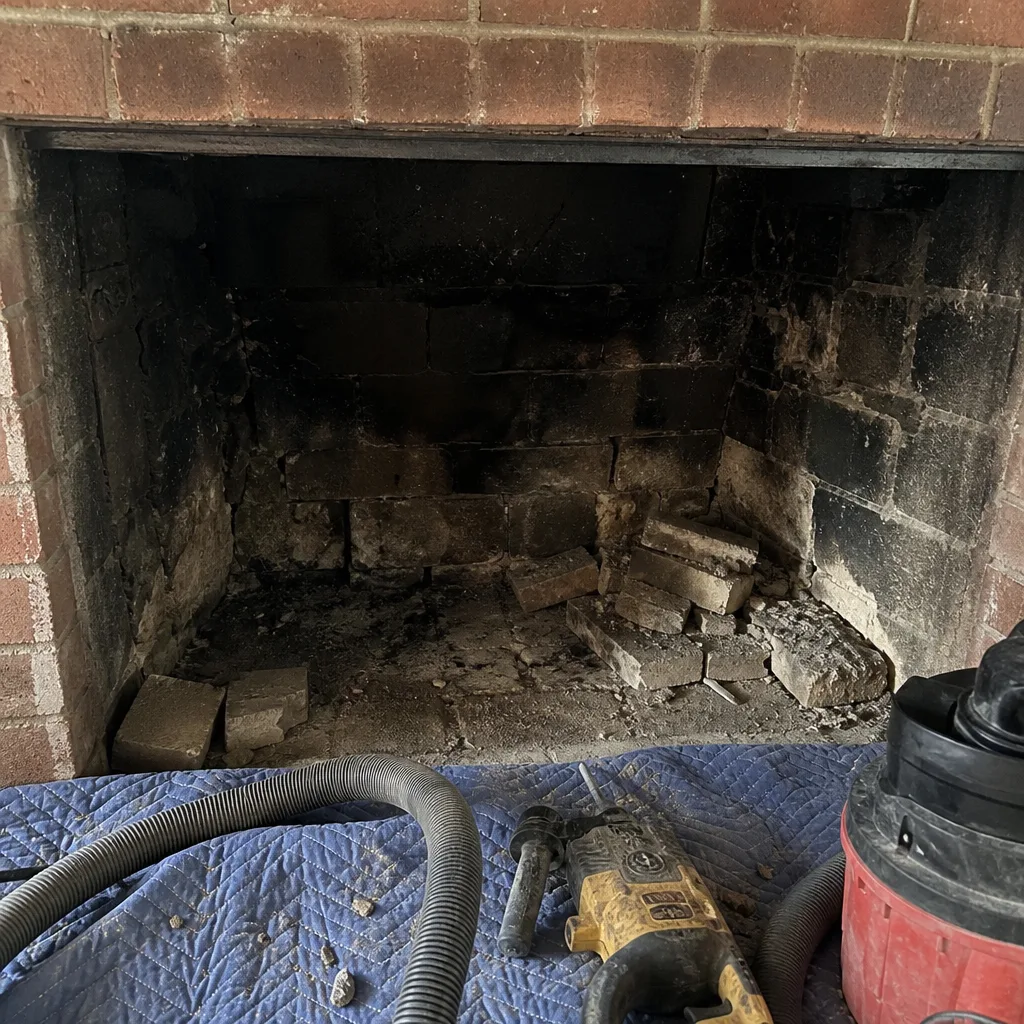 Before
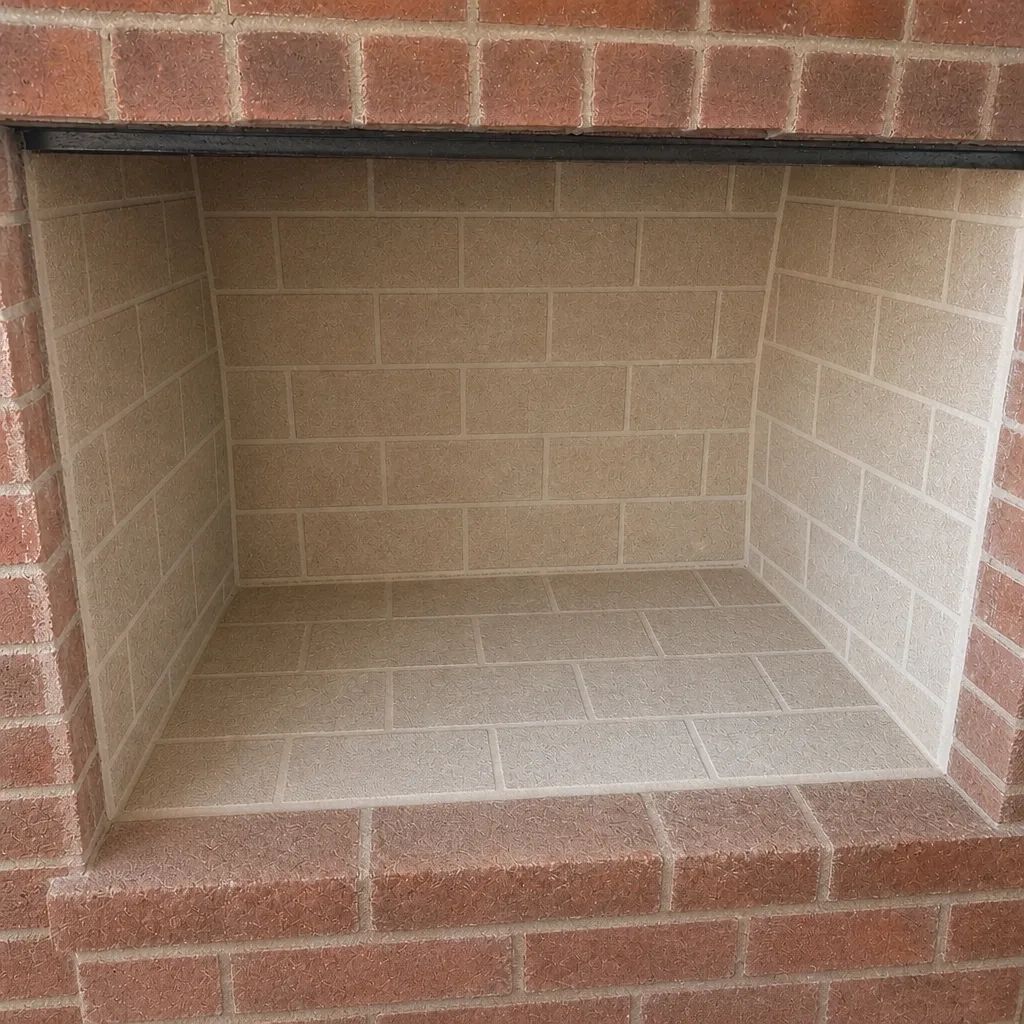 After
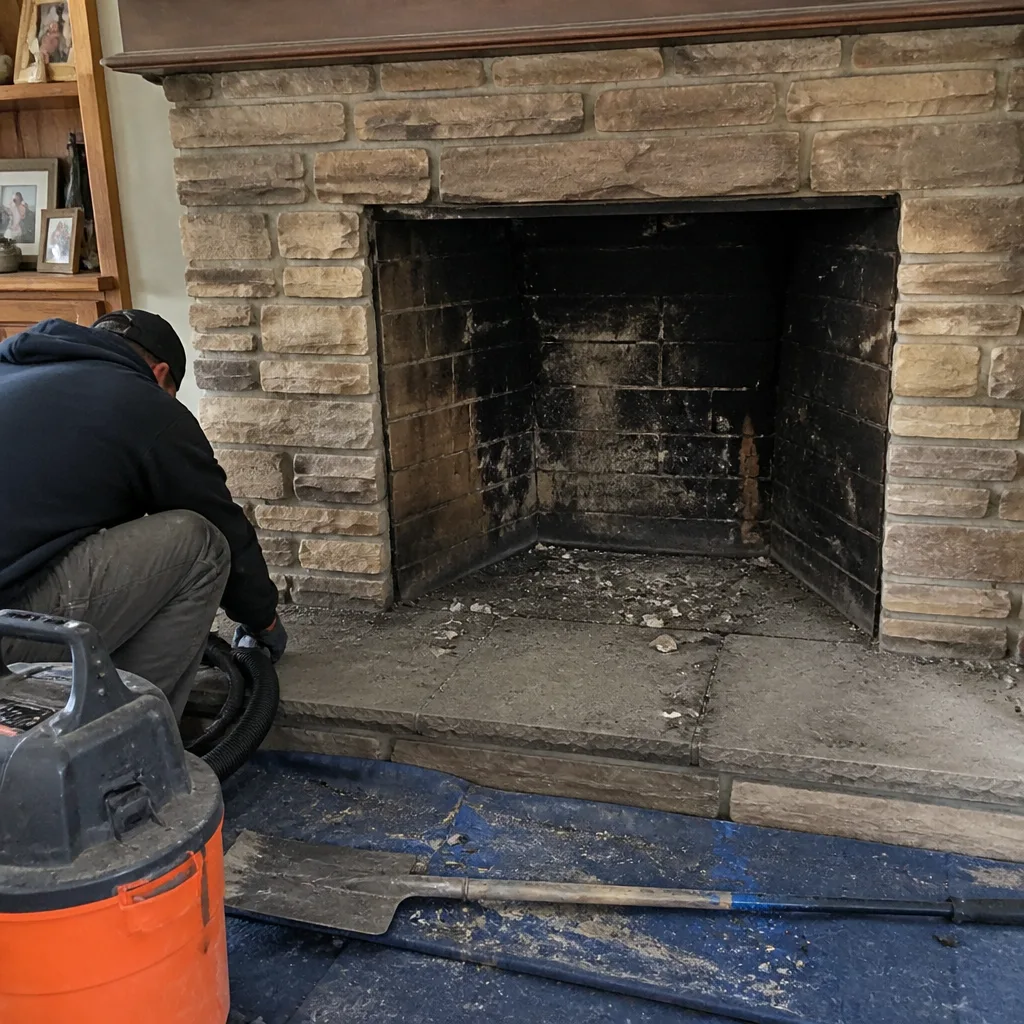 Before
 After
 Before
 After
When to Call a Professional
Call a professional if any of these are true: your fireplace hasn’t been swept or inspected in the past year, you’ve had a chimney fire or suspected fire, you smell smoke in the house when the fireplace isn’t burning, you see cracked or spalled tiles in the firebox or the flue, your cap is missing or damaged, you have a wood-burning insert installed more than a season ago without a confirmed liner to the top of the flue, or you’re buying or selling a Draper home and need a pre-purchase or pre-sale chimney inspection on record. You should also call if you’re uncertain whether the fireplace is safe to use as emergency heat during an outage; the inspection settles it in a single visit. Draper Chimney Sweep offers free estimates in Draper. Call (855) 658-4373. We answer 24/7. Fast dispatch from 7am to 7pm, Sunday through Friday.
Frequently Asked Questions
A cleaning and an inspection are different jobs, and the inspection is the one that finds damaged liners, gaps, cracked crowns, and blocked flues a brush won’t reveal. In Draper Chimney Sweep provides inspections as a standalone service, so if you want just the condition report without a sweep attached, that’s available. If it’s been more than a year, we recommend doing both at the same time. Call (855) 658-4373 for an estimate.
Creosote accumulates in the flue with every fire and becomes fuel for a chimney fire once it reaches a certain depth and condition. Skipping the sweep doesn’t produce a problem the day you skip it, which is why it’s easy to skip. It produces the conditions for a chimney fire on the first cold night of the following season. A fall sweep is cheaper than a post-fire inspection and repair. Call (855) 658-4373 for an estimate.
A chimney fire often sounds like a low rumble building into a roar, similar to a distant train or a small jet passing overhead, along with popping or crackling that doesn’t stop when you stop adding wood. Some chimney fires are quiet and are only noticed by the sharp burnt-metal smell or smoke pushing through seams. If you suspect one, treat it as real, call 911, and schedule an inspection afterward before using the fireplace. Call (855) 658-4373 for the inspection.
Not always. In many cases HeatShield ceramic resurfacing can restore a liner that’s deteriorated but still structurally intact, saving you a full reline. In other cases the liner needs to be replaced with a DuraFlex stainless system. The only reliable way to know which is your situation is a Level 2 inspection with a camera run of the flue. We don’t recommend liner work without showing you the camera evidence first. Call (855) 658-4373 for an estimate on the inspection.
Yes, if the flue is confirmed clear and the liner is sound, the damper opens fully, the chimney draws correctly with a small test fire, combustible materials are cleared from the hearth, and you have working smoke and CO detectors. If the fireplace has never been inspected or has known liner damage, using it as emergency heat is a carbon monoxide risk regardless of how cold it is. Call (855) 658-4373 to book an inspection before winter.
An annual sweep and inspection are appropriate for most Draper homes that use the fireplace regularly. Homes with heavy fireplace use, wood-burning inserts, or a history of chimney fires benefit from the same annual schedule with more attention paid to the liner and cap at each visit. A Level 2 inspection with a camera is worth doing at least once on any home you’ve recently bought or inherited. Call (855) 658-4373 to book yours.
The Bottom Line
Chimney emergencies in Draper are mostly preventable, and the prevention is a fall sweep, an inspection with a camera, and a cap that actually works. A chimney fire is usually quiet and usually starts during a seasonal first fire, so knowing the sound, the smell, and the first-two-minute response before it happens is the real preparation. Carbon monoxide comes down the same damaged flue, so working CO detectors and a confirmed sound liner matter as much as a clean firebox. If the fireplace is your outage heat source, verify the system before winter. After any fire, a Level 2 inspection before reuse protects your home and your insurance claim. Call (855) 658-4373 for a free estimate. We answer 24/7. Fast dispatch from 7am to 7pm, Sunday through Friday.
Written by the team at Draper Chimney Sweep.