
Last updated November 24, 2026
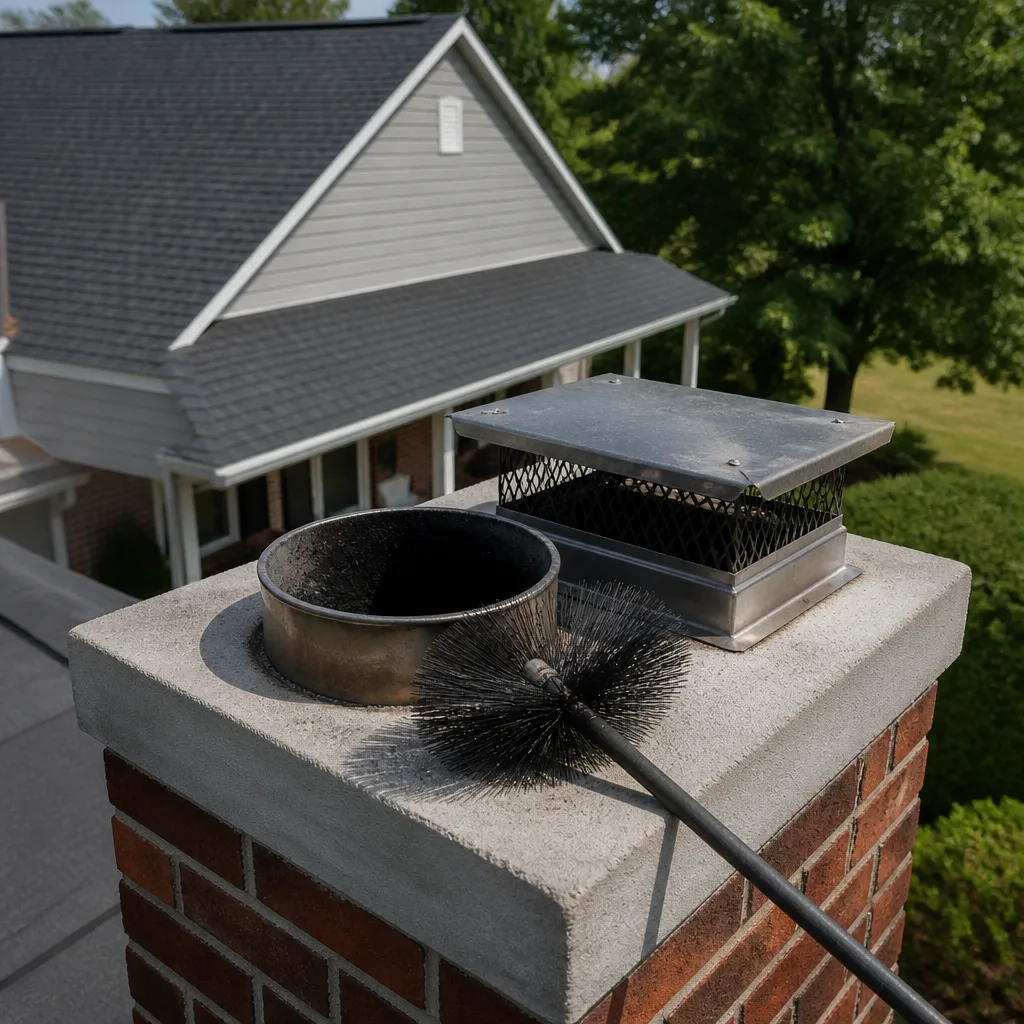 Sweep & inspection
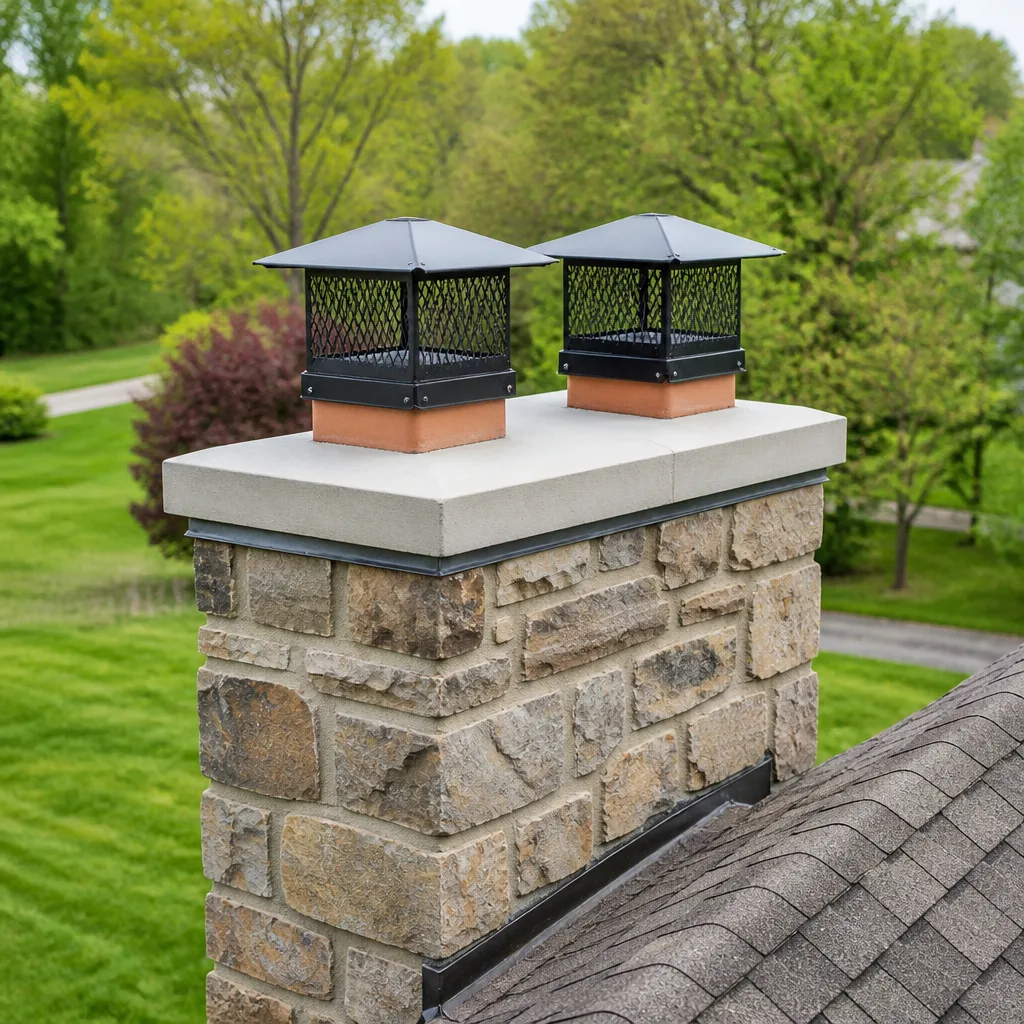 Caps & crowns
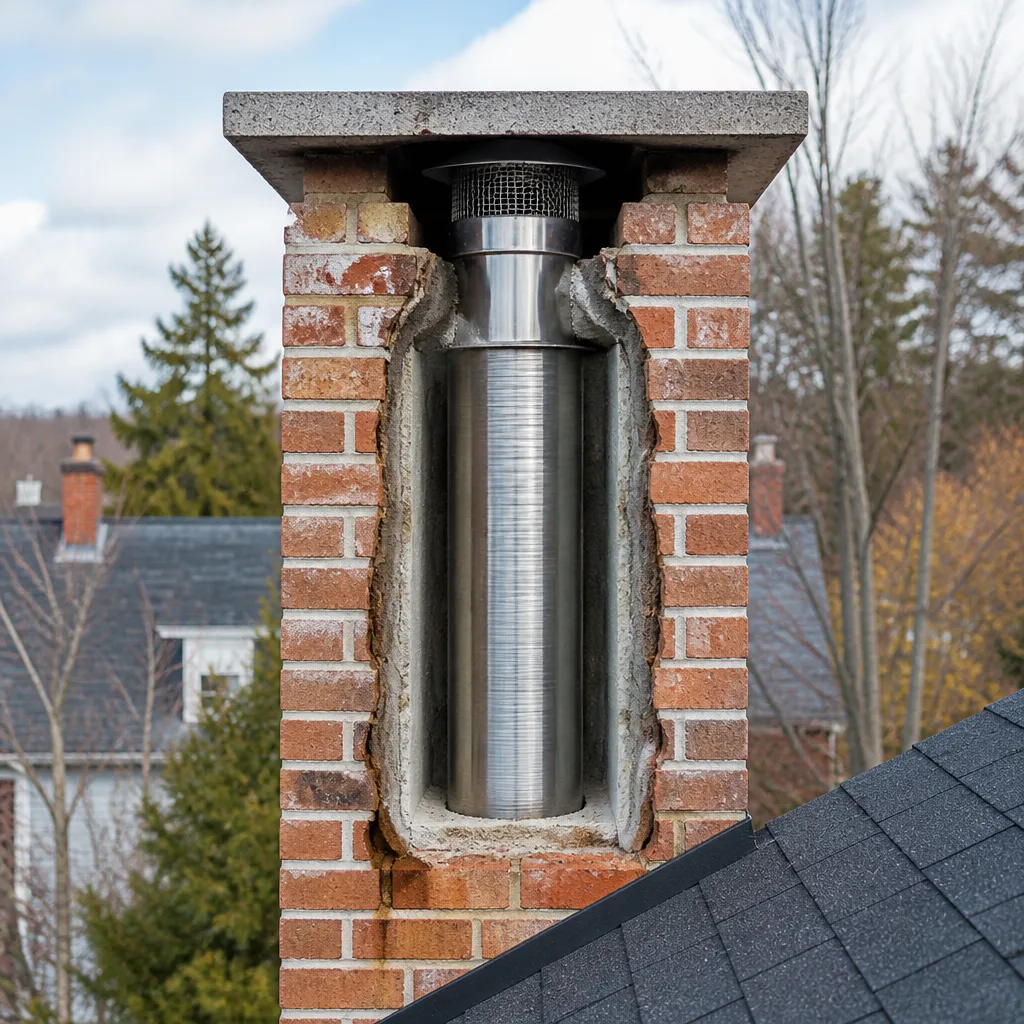 Flue relining
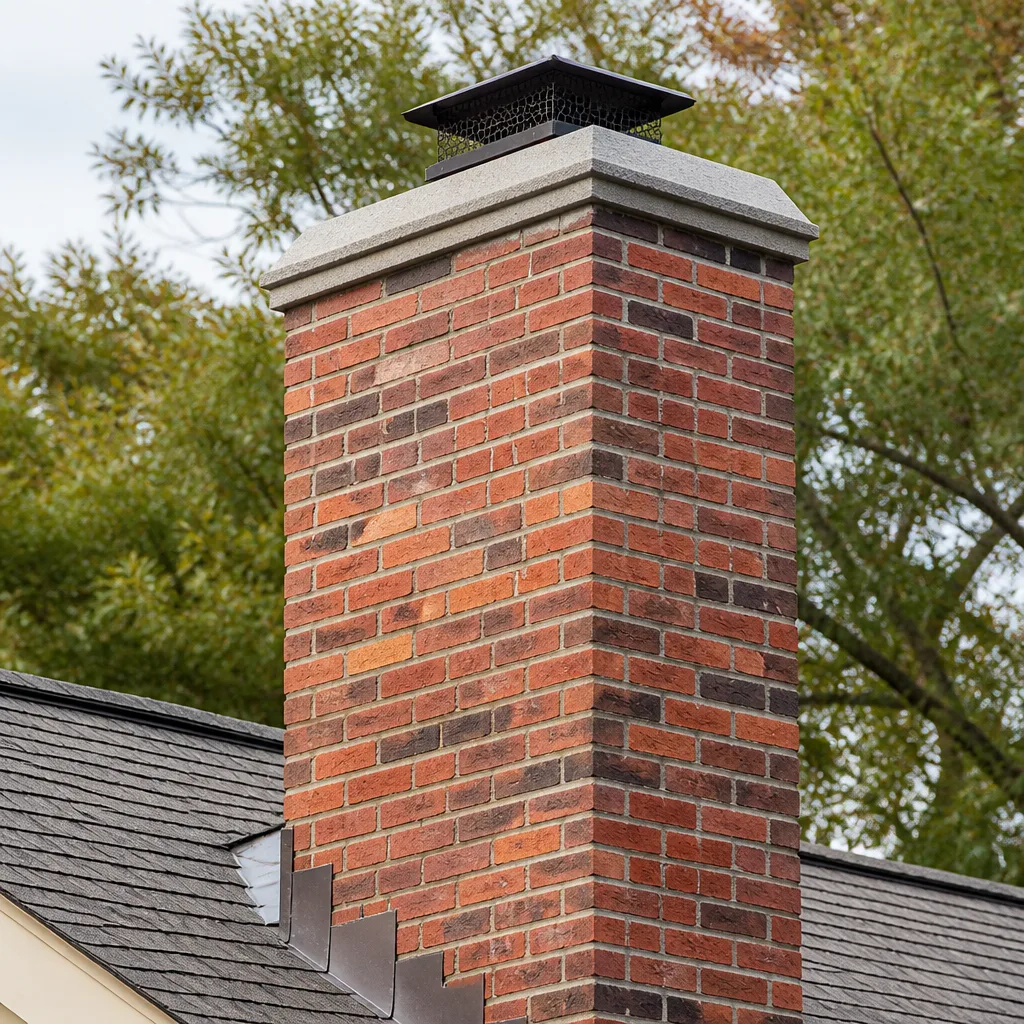 Masonry repair
 Gas fireplace service
Level 1 sweep and inspection to the NFPA 211 annual standard - flue, crown, cap, and flashing checked and photographed
Chimney sweep logs do not sweep chimneys. They loosen some creosote - which then falls where a brush and vacuum still have to collect it.
Choosing the Right Chimney Cleaning Brand: A Buyer’s Guide for Draper
Most homeowners compare chimney companies by name and price. The name on the truck tells you almost nothing. The name on the materials tells you everything. When a chimney contractor proposes a liner replacement, they aren’t just quoting labor. They’re quoting a specific liner system from a specific manufacturer at a specific grade. A liner from a reputable mill and a liner from an unlabeled import distributor can look nearly identical on an invoice and nothing alike after ten winters of thermal cycling. This guide is written for Draper homeowners who want to ask sharper questions. We’ll cover which product categories actually carry the brand risk, what a legitimate materials spec should look like, and how to read a proposal before you sign it. Draper sits in a valley with a real burn season and a housing stock that spans several building eras, which makes these questions worth answering before the first cold snap, not during it.
Quick Answer
The right chimney cleaning brand in Draper comes down to two things: the company’s cleaning and inspection method, and the manufacturer-grade materials they specify for any repair. Ask which liner system they propose, which cap and crown products they install, and whether they can hand you a product spec sheet before work begins. A company that names its materials and can explain why it chose them is generally a better bet than one that speaks only in franchise branding. Our technicians have up to 11 years of experience, and we work with trade-grade lines including DuraFlex, HeatShield, Gelco, Olympia Chimney, Famco and Copperfield because those are the products we can stand behind in a proposal.
Styles & brands we work with
- Sweep & inspection
- Caps & crowns
- Flue relining
- Masonry repair
- Gas fireplace service
Table of Contents
- What “Brand” Actually Means in Chimney Cleaning
- Stainless Liner Systems: Where Alloy and Grade Matter Most
- Chimney Caps and Crowns: Engineered vs. Improvised
- Crown Sealants and Firebox Repair Mortars
- What to Ask a Contractor About the Liner They’re Proposing
- Why National Franchise Names Don’t Guarantee Better Materials
- Trade-Grade vs. Hardware-Store Sourcing
- How to Read a Product Spec Sheet on a Repair Proposal
What “Brand” Actually Means in Chimney Cleaning
When homeowners search for the best chimney cleaning company in Draper, they usually mean “which company.” The more useful question is “which company specifies which products.” Chimney cleaning itself is a service, not a product, but nearly every cleaning visit ends in a decision. Either the chimney is clear and you’re done, or the inspection turns up something. A deteriorated flue liner, a cracked crown, a cap with missing screens, crumbling mortar in the firebox. That’s the moment brand starts to matter, because the next sentence out of the technician’s mouth names a material.
There are four product categories where the gap between trade-grade and hardware-store quality shows up over time:
- Stainless steel liner systems. The core of most relining work. Alloy, gauge and seam construction vary significantly.
- Chimney caps. Standard flat caps, wind-directional caps, and multi-flue caps differ in how they handle downdrafts, snow load and animal entry.
- Crown sealants and crown materials. The mortar cap on top of the chimney is the number one source of water intrusion. Flexible sealants and poured crowns perform very differently from a smeared mortar patch.
- Firebox repair mortars. The refractory material inside the firebox takes direct heat, and not every mortar is rated for it.
Each of these categories involves a named product or product family. Each has a manufacturer behind it, a spec sheet, and a warranty term. When a company tells you “we’ll just fix the liner,” they’ve skipped the entire conversation. When they say “we’re proposing a DuraFlex liner in this alloy at this gauge,” you can verify it. That’s the difference brand makes in Draper, and it’s the thread running through this whole guide.
Stainless Liner Systems: Where Alloy and Grade Matter Most
The two alloy families you’ll hear named in a relining proposal are 304 and 316L stainless steel. Both are stainless, both are common, and they are not interchangeable. The 316L alloy contains molybdenum, which is what makes it more resistant to the corrosive condensates that form in chimneys, particularly when a wood-burning appliance is run at low, smoldering temperatures for long periods. In Draper, where burn season can stretch from October into March with plenty of cold mornings and slow overnight fires, that distinction is worth asking about.
A legitimate liner brand will publish:
- The specific alloy (304 or 316L)
- The gauge of the steel (thickness matters in flex liners, which must resist bending and re-bending)
- The seam construction (welded or interlocked)
- The listing and testing standard the liner carries (UL 1777 is the standard for chimney liners)
- The warranty term in writing
Flexible liner systems like DuraFlex are manufactured in specific alloy and gauge configurations. When a contractor proposes a flex liner, ask which alloy and which gauge. A vague answer like “heavy-duty stainless” tells you nothing verifiable. A specific answer tells you the company stocks or sources from a manufacturer with a published catalog, and they know the specs by heart.
We work with DuraFlex liner systems because they come with published specifications and a manufacturer warranty we can hand to the homeowner. When we propose a relining job in Draper, we specify the alloy and gauge in the written estimate, and we can pull the product spec sheet for the homeowner to review. That’s the standard we think any Draper homeowner should expect from any company they hire for chimney repair. If a proposal names the liner but can’t produce the spec, ask again before you book the work.
One safety note before we move on. Flue liner work and relining are technical trades with real risk involved, both from a structural standpoint and from what a poorly installed liner can do to draft and exhaust. We don’t recommend any homeowner attempt a liner repair themselves. A trained professional with the correct product and the correct tools is the only sensible route for anything involving the flue.
Chimney Caps and Crowns: Engineered vs. Improvised
The chimney cap is the small structure on top of the flue. It’s the single most neglected piece of equipment on a residential chimney, and it’s also the most consequential. A missing or damaged cap is the most common path for water to enter the chimney chase, and water intrusion causes the expensive stuff: cracked crowns, spalling brick, rusted dampers, deteriorated liner systems.
There are two main cap categories in a Draper home:
- Standard flat or raised-screened caps. These work well for single-flue chimneys in sheltered positions and handle most of the same duties: keeping out rain, snow, birds, squirrels and other animals.
- Wind-directional caps. These pivot with the wind and are used where a chimney is prone to down-drafts. Neighborhoods on the east bench of Draper, where the slope of the terrain tends to accelerate wind, sometimes have chimneys that benefit from this style. A contractor should look at the exposure before recommending one.
Brand matters here because the cap is a manufactured product, not something to be bent out of sheet metal by hand. The major cap manufacturers publish their designs, their stainless grades and their warranty terms. When you hear a company specify a Gelco, Famco or Copperfield cap, they’re telling you they source from a trade catalog and install a product engineered for the job. When you hear “we’ll build a cap from the local hardware store,” that’s a signal the specification conversation never happened.
The crown is the mortar cap surrounding the flue at the top of the chimney. It needs to have a slight slope so water runs off, and it needs to be sealed or poured in a material that holds up to freeze-thaw cycles. Draper sees plenty of both, from cold snaps that crack a poorly-formed crown to spring runoff that finds every low spot. Improvised crowns made from plain mortar patched over old material tend to crack again within a few years. A poured crown or a system like HeatShield at the flue-to-crown joint is the trade-grade alternative. If a contractor recommends crown repair and can’t name the material they’ll use on top of the mortar, ask for the product.
Crown Sealants and Firebox Repair Mortars
Two categories that get skipped in most homeowner conversations with contractors are the sealants around the crown and the refractory materials inside the firebox. Both are places where the wrong product shows its failure in a few years instead of a few months.
Silicone crown sealants come in different formulations. Flexible, high-adhesion sealants that bond to mortar and expand with the crown in weather changes are what a trade contractor would specify. A standard hardware-store silicone caulk will dry out, crack, and peel within two or three winters. If a contractor is proposing to seal the crown, ask what specific product they’ll use and whether it’s rated for outdoor chimney use. A legitimate answer names a brand or a product family.
Firebox mortar is the other one. A firebox takes direct radiant heat at temperatures standard mortar cannot tolerate. Refractory mortar (often called firebox mortar or refractory cement) is formulated for that exposure. When a firebox shows missing mortar joints, cracks, or loosening brick, the repair needs to use refractory materials, and the repair has to be properly cured. Firebox repair is a technical repair, and we don’t recommend homeowners try to do it themselves. The materials are specialized and the work is easy to get wrong between mortar joints at the back of the box.
HeatShield ceramic resurfacing is the third example of a product category where brand and grade matter in a way that’s less visible than a cap. HeatShield is a sprayed or troweled ceramic resurfacing system applied inside the flue when the liner is deteriorated but not fully gone. It extends the life of a damaged chimney without a full relining in certain conditions. It’s a specialty product that a generalist sweep almost certainly won’t carry. When a contractor proposes HeatShield, they’re proposing a specific system with a known applicator requirement. When a contractor proposes “sealing the flue with a cement product,” they haven’t done the same homework. In our experience, this is one of the clearest ways to tell a specialist chimney company from a generalist.
What to Ask a Contractor About the Liner They’re Proposing
This is the section to bookmark. When you’re comparing chimney companies in Draper, the questions below cut straight to whether they’ve specified a real product or hand-waved the materials. Ask them over the phone or in person, and pay attention to whether the answers are specific or vague.
- What specific liner system are you proposing, and which alloy? A good answer names the manufacturer or product line and specifies 304 or 316L. A weak answer is “heavy-duty stainless.”
- What gauge is the liner steel? Flex liners come in different gauges. A specific number is what you want.
- Can you provide a product spec sheet or a link to the manufacturer’s catalog? Legitimate brands publish this. Contractors who source from trade suppliers can pull it up quickly.
- What’s the manufacturer warranty term, and is it transferable? A real product from a real manufacturer has a real warranty. Ask the term and whether it transfers to the next owner if you sell the house. Real estate clients especially need this answer.
- What cap brand and crown material will you install? Expect a named product, not a vague “standard cap.”
- Who actually performs the work? You want one company doing the diagnosis and the repair, not a subcontractor handed off from a lead-gen platform. Ask directly.
Answers that should make you pause: anything that avoids naming a product, anything that uses national franchise branding as a substitute for a materials answer, and anything that pulls out a warranty card without a corresponding spec sheet. The two go together. A company that sources from trade suppliers can show both.
We ask these questions of ourselves on every estimate in Draper, and we write the answers into the proposal. When we quote a liner, we specify the product and the alloy. When we quote a cap, we name the manufacturer. If you want to see what that looks like on your chimney, our chimney sweep service starts with the inspection that drives the whole conversation. Find the problem and fix it in the same visit is how we work, and the same visit should include the materials answer.
Why National Franchise Names Don’t Guarantee Better Materials
A national franchise name on the side of a vehicle feels reassuring. It suggests training, standards and consistency. It’s not nothing. But it doesn’t tell you what specific products will end up in your chimney. That part is local.
Franchise brands typically license a name and a set of service standards to local operators. Those operators are independently owned businesses, and each one sources its own materials. One franchisee might stock a full line from a trade catalog. Another might buy the cheapest flex liner on a bid portal. The brand on the sign doesn’t resolve the question. The material on the invoice does.
Here’s the corollary. A well-run local chimney specialist with trade-grade supplier relationships can deliver better materials than a poorly-run franchise operator in the same market. The evaluation criteria are the same either way, and none of them involve the logo on the truck:
- Does the company name the products and product lines it installs?
- Can they explain why they use a particular manufacturer?
- Do they carry the specialist capability for systems like HeatShield or DuraFlex?
- Does the proposal include a materials specification?
- Does the company perform the diagnosis and the repair in-house or hand off to a subcontractor?
A company that answers those five questions well is a good hire. A company that skips them and leans on a brand name isn’t, regardless of which national name is on the fleet. We operate from Draper, and we don’t see this differently because of geography. The best chimney cleaning company in Draper isn’t the one with the biggest signage. It’s the one who can tell you what alloy your liner is and why.
One more local consideration. Draper is a growing city with a housing stock that ranges from older homes in the historic core to new construction up on the benches. Newer homes sometimes have zero-clearance fireplaces and factory-built chimneys that need different materials than a masonry chimney. A franchise operating from a central script may not have the local product catalog to answer those questions. A Draper specialist who deals with both building older and building newer every week generally does. Our fireplace repair and chimney work covers both, and the product choices differ between them.
Trade-Grade vs. Hardware-Store Sourcing
The single clearest marker of a good chimney contractor is where they buy their materials. Trade-grade materials come from suppliers who serve the chimney trade specifically, and they carry published specifications, manufacturer warranties and support. Hardware-store substitutes come from general retail, which serves the homeowner walk-in, not the trade contractor.
Here’s how the difference shows up in practice:
- Warranty terms. A manufacturer warranty on a DuraFlex liner, HeatShield application, or Gelco or Famco cap reflects the product’s expected service life. A hardware-store equivalent often has no meaningful warranty at all, because the product was not designed for chimney service.
- Correct grade. Trade suppliers stock the correct alloy and gauge for a given application. Hardware retail typically stocks one generic stainless flex pipe, which may or may not be appropriate for the chimney above your firebox.
- Consistency. A trade supplier ships the same product with the same specification every time. A hardware-retail purchase can come from a different mill or producer on different days, which matters when the install is expected to last 20 years or more.
- Spec sheets and installation guidance. A product from a trade supplier comes with an installation manual and a specification document. That’s the document a good contractor hands to you when they propose the repair.
This is why we name the product lines we work with, including Olympia Chimney, DuraFlex, Famco, Copperfield and HeatShield. We’re not name-dropping. We’re telling you what we source from trade suppliers and what we’ll specify on your estimate. It’s a different register from a company that promises “quality materials.” Quality isn’t a material. DuraFlex is.
Trade-grade sourcing also means a company can stand behind the repair. When a crown is poured with a product rated for freeze-thaw, the warranty language you can offer the homeowner is different from when it’s poured with plain mortar. When a firebox is rebuilt with refractory mortar, the repair is expected to last through years of direct heat. Built to last, not patched to pass inspection is the standard. In Draper’s climate, with the seasonal range from cold overnight lows through warm summers, that standard pays for itself in fewer repair calls.
How to Read a Product Spec Sheet on a Repair Proposal
A product spec sheet is the manufacturer’s document naming the exact properties of what you’re buying. It’s the document that turns “stainless liner” into a verifiable material. When a contractor provides one, it should contain these fields:
- Manufacturer name and product line. Not “made in USA.” A specific company and product family.
- Material or alloy. For stainless, 304 or 316L. For a cap, the stainless grade and the finish. For a sealant, the polymer base.
- Dimensions or gauge. A liner’s gauge, a cap’s diameter and height, a sealant’s coverage rate.
- Testing and listing standard. Liners are tested to UL 1777. Caps are often tested or listed to their own standard. The number should appear on the spec sheet.
- Warranty term. The manufacturer’s warranty, in years, with the conditions.
- Installation requirements or limitations. Not every product suits every chimney. A spec sheet should say what conditions the product requires.
When you read the spec sheet, you don’t need to understand every number. You need to see that the numbers are there, that they’re specific, and that they match what the contractor told you verbally. If a proposal says “316L flex liner” and the spec sheet says 304, ask why. If the spec sheet is missing, ask for it. Contractors who resist providing one are telling you something about how they buy materials.
A good proposal names the products, cites the specifications, shows the warranty term, and leaves a copy with you. If the proposal is a single line item and a price, it’s a question mark, not a document. The estimate we write at Draper Chimney Sweep includes the product specification for any repair, and we’re happy to walk the homeowner through what we’re specifying and why before they sign.
Common Mistakes to Avoid
- Comparing companies by price alone. Two quotes can differ by a few hundred dollars because one specifies a trade-grade liner and the other specifies a hardware-store substitute. Ask what’s in the difference, not just what’s on the invoice.
- Accepting a verbal alloy answer. “Heavy-duty stainless” and “316L” are not the same thing. Ask for the alloy in writing on the estimate before the work is scheduled.
- Ignoring the cap on the bid. The cap is one line item on the estimate and one of the biggest long-term factors in whether water enters the chimney. Ask for a named cap product, not “standard cap.”
- Hiring whoever answers the phone fastest during the first cold snap of the Draper season. Chimney work isn’t urgent-hour work. It’s seasonal. Book the inspection before burn season starts so the diagnosis isn’t rushed and the materials conversation isn’t compressed into a single phone call.
- Skipping the spec sheet. When a proposal arrives without a materials spec, that’s your moment to ask. A good company will send it. A weak one will give you the runaround.
- Assuming the national name means better materials. Franchise brands license a name. The materials are decided locally by the operator. Ask the same questions regardless of the logo.
- Letting a generalist handle a liner or firebox repair. These are specific trades with specific materials. A general handyman company that treats a chimney like a soffit or a fence has a lower ceiling on what they can offer when the diagnosis gets technical.
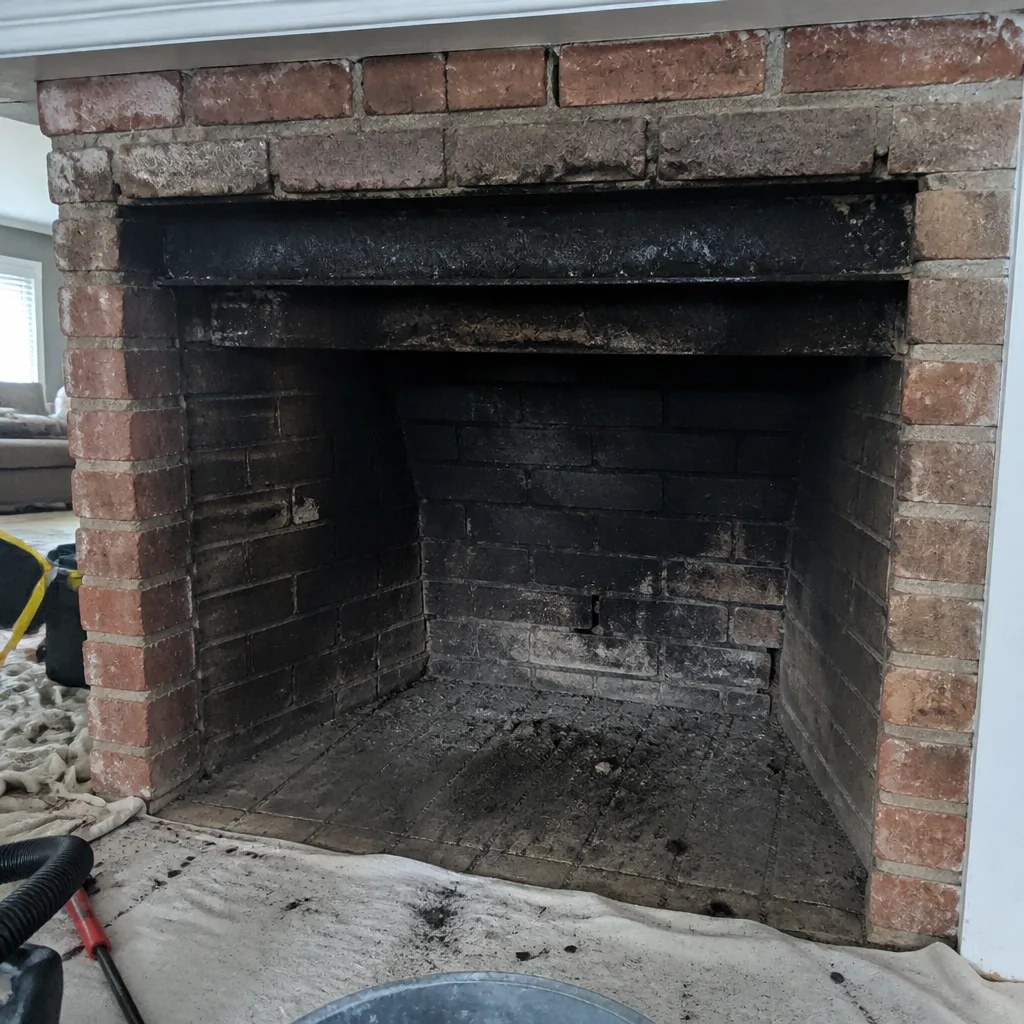
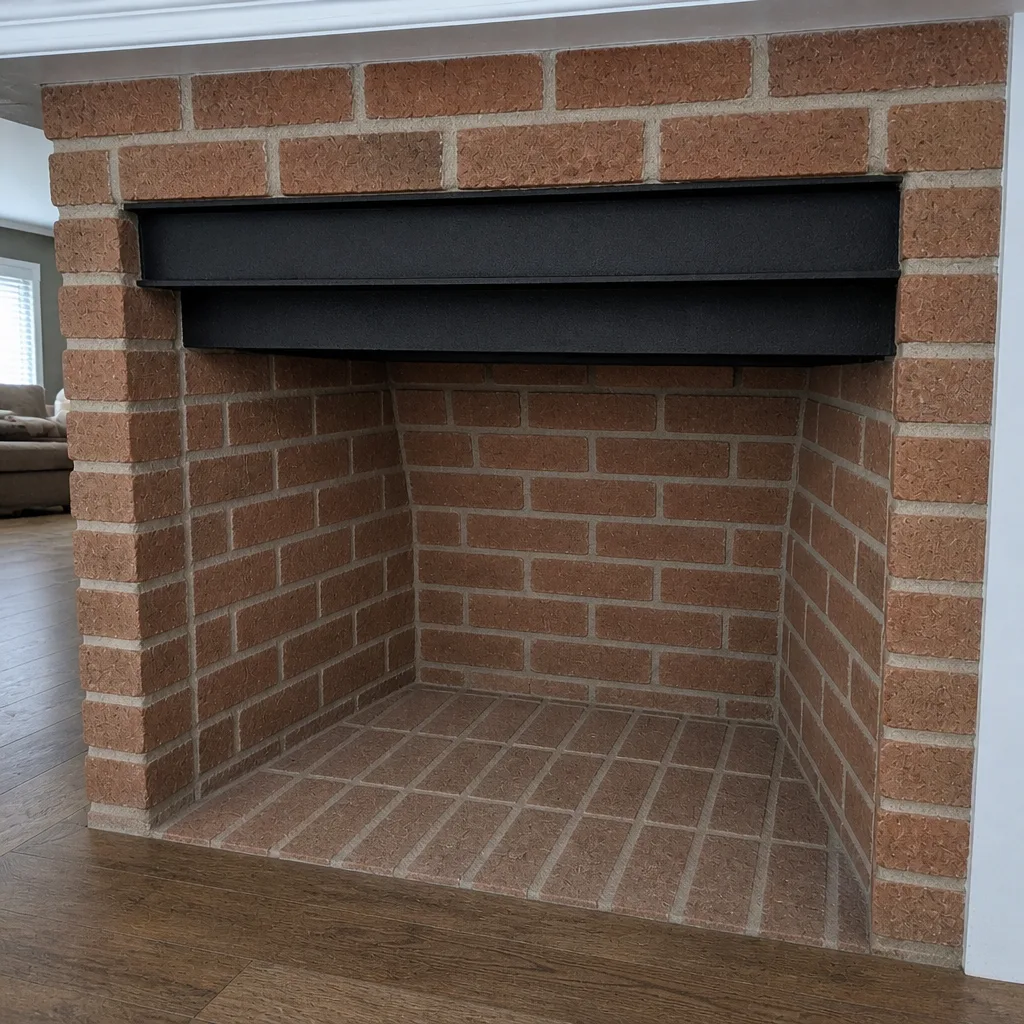
See the difference
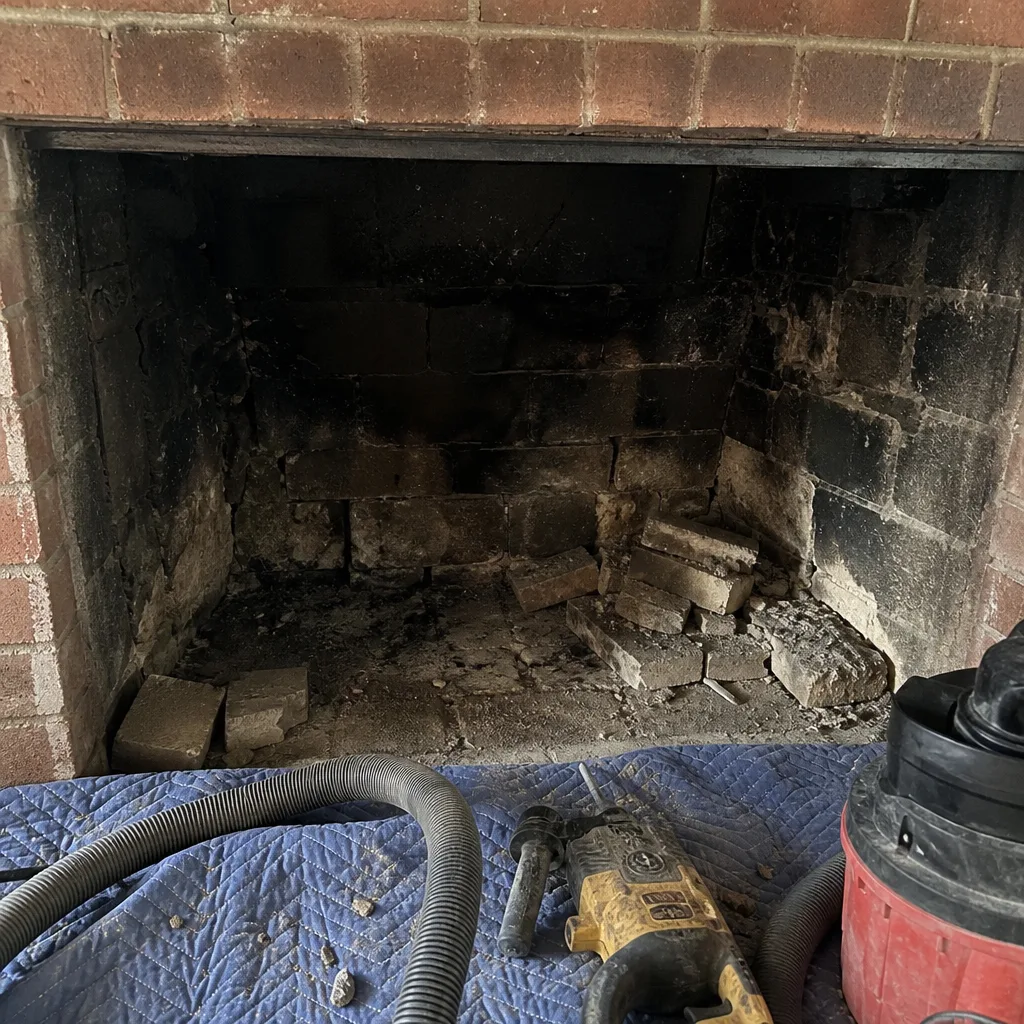 Before
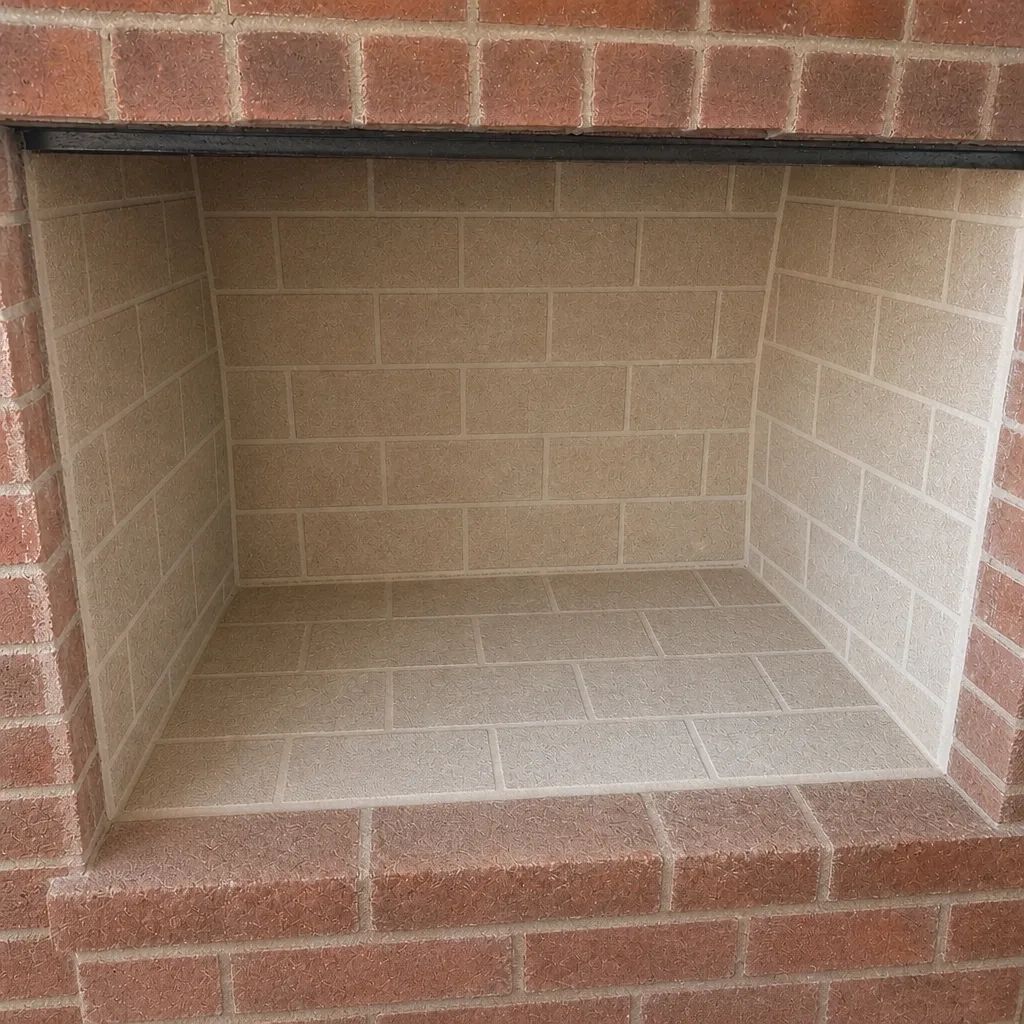 After
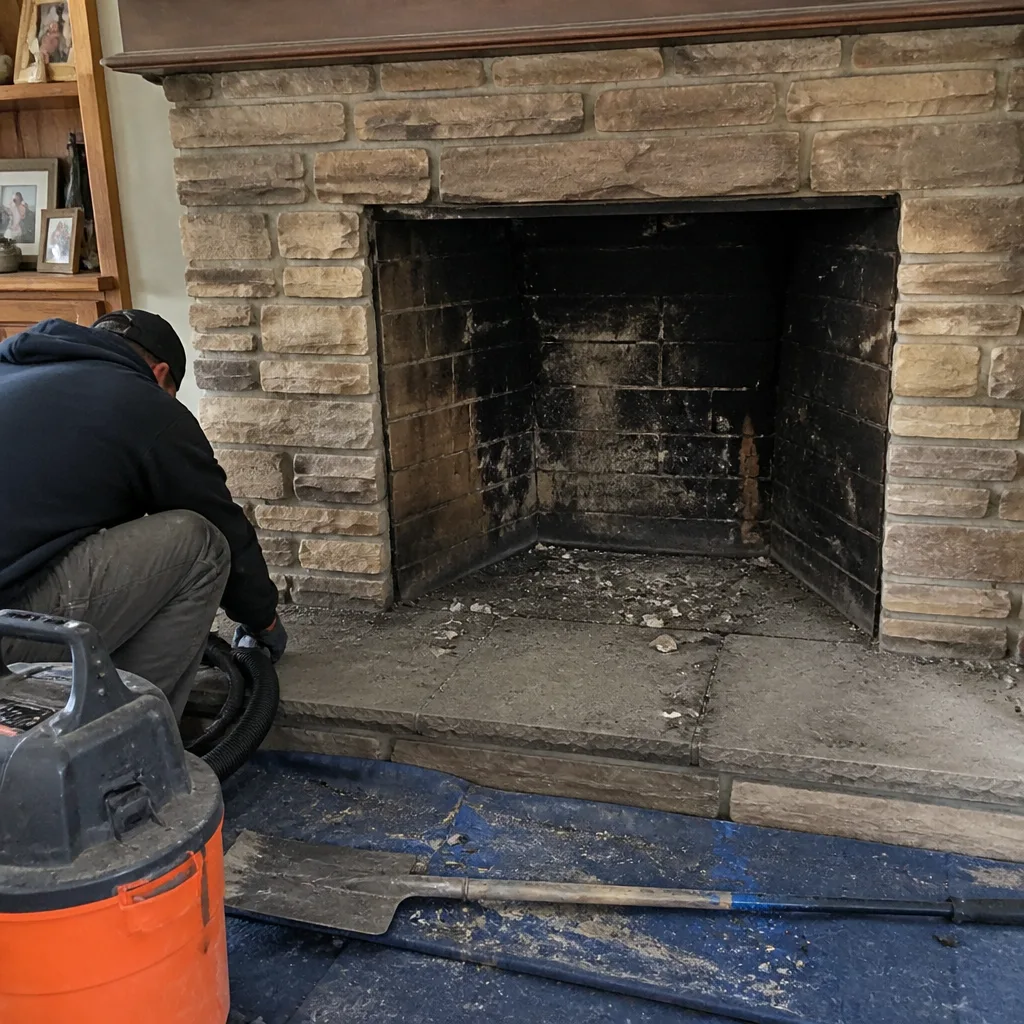 Before
 After
 Before
 After
When to Call a Professional
Sweeping and inspection require professionals when you don’t know the condition of the chimney. If you’ve moved into a Draper home and the previous owner didn’t leave maintenance records, book a cleaning and inspection before the first fire of the season. If you’ve noticed water stains around the firebox, crumbling mortar on the firebox floor, a missing cap, or smoke rolling back into the room when you light a fire, those are all signs the chimney needs an assessment, not a guess. If you’re in a real estate transaction and need an objective chimney inspection before closing, that’s a standalone service, and it’s worth doing before the inspection period closes.
Draper Chimney Sweep offers free estimates in Draper. Call (855) 658-4373. We answer 24/7. Fast dispatch from 7am to 7pm, Sunday through Friday. The estimate is free and the price is set per job by the written estimate.
Frequently Asked Questions
The best chimney cleaning brand in Draper is the one that specifies trade-grade materials and can prove it. That means naming the liner system, the alloy, the cap product and the crown material in the written proposal, and being able to provide a spec sheet on request. Companies that source from trade suppliers rather than hardware-store substitutes can offer more informative proposals and clearer warranty terms. Our technicians have up to 11 years of experience and we work with DuraFlex, HeatShield, Gelco, Olympia Chimney, Famco and Copperfield because those are the products we can specify and stand behind. Call (855) 658-4373 for a free estimate.
Yes, in some cases. 316L has better resistance to the corrosive condensates that form when a wood-burning appliance is run at low, smoldering temperatures for long periods. 304 is appropriate for many applications but is less corrosion-resistant in the same conditions. The right answer depends on your appliance and how you burn. Ask the contractor which alloy they’re proposing and why, and get the answer in writing on the estimate. Call us and we’ll walk through the specification for your chimney.
Yes. The cap is a manufactured product and the difference between an engineered cap and an improvised one shows up in a few winters. A trade-grade cap from a manufacturer like Gelco, Famco or Copperfield comes with a published design, a stainless grade specification and a warranty. Ask for the brand name and the warranty term. If the answer is “standard cap,” ask what standard and whose cap. Call (855) 658-4373 to talk through what your chimney needs.
Usually because they don’t source from a trade supplier and the spec doesn’t exist in a form they can hand over. A contractor working with DuraFlex liners, HeatShield resurfacing, or Gelco, Famco or Copperfield caps can pull the manufacturer’s specification quickly. A contractor sourcing from hardware retail has nothing to pull. Resistance to a spec request is useful information, and it’s a reasonable ground to look elsewhere. If you want to see what a specification looks like, call us for a free estimate.
Yes. Draper sits in a valley with real seasonal temperature swings, and that matters to the brick, crowns and mortar on top of the chimney. Crowns that aren’t formed with proper slope and a freeze-thaw-rated sealant tend to crack from winter cycling. Fireboxes that haven’t been rebuilt with refractory mortar tend to fail faster. The right materials for the repair are the same materials the trade uses elsewhere, but the local seasonal range makes crown and firebox repairs more consequential here. Call (855) 658-4373 to schedule a free estimate.
Yes. Chimney inspections are a standalone service at Draper Chimney Sweep, not an add-on attached to a cleaning. That’s useful for real estate transactions, for homeowners who want an objective condition assessment without a sales pitch, and for anyone buying or selling a Draper home who needs documentation. If the inspection turns up something, we can diagnose and repair in the same company, rather than handing off to a third party. Call (855) 658-4373 to book one.
The Bottom Line
The brand question in chimney service is really a materials question. National franchise names license a logo to local operators, and the materials those operators use get decided locally, not at corporate. What determines how your chimney performs ten years from now is the specific alloy, gauge and product line in your liner, your cap, your crown and your firebox. Ask what’s being specified. Ask for the spec sheet. Ask whether the company does the diagnosis and the repair itself or hands it off. Those three questions reveal more about a Draper chimney contractor than any brand name on the truck. Trade-grade materials, one call for cleaning, inspection and repair, and a written estimate with the products named. That’s the standard we build our chimney services around, and it’s the standard we’d want if we were hiring for our own home.
To set up an inspection or a free estimate, call (855) 658-4373. We answer 24/7. Fast dispatch from 7am to 7pm, Sunday through Friday.
Written by the team at Draper Chimney Sweep.