
Last updated November 24, 2026
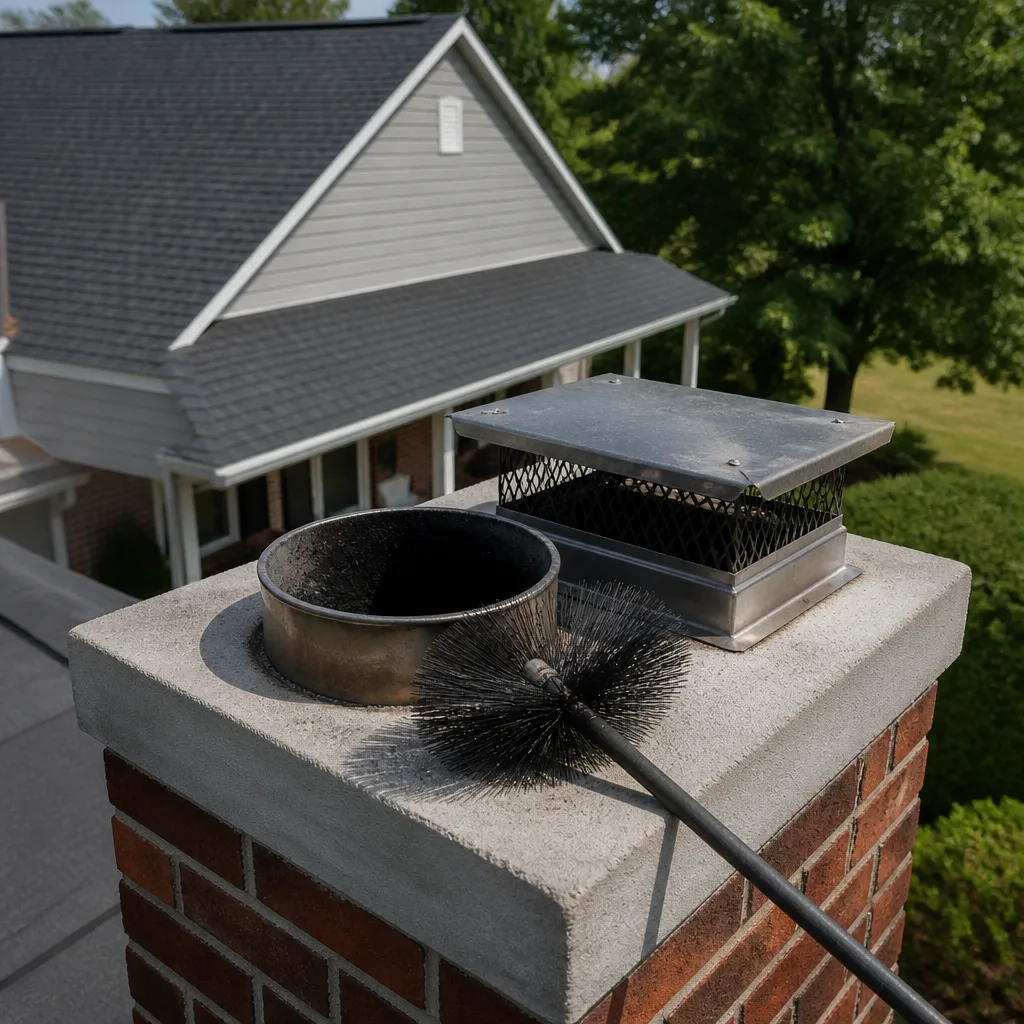 Sweep & inspection
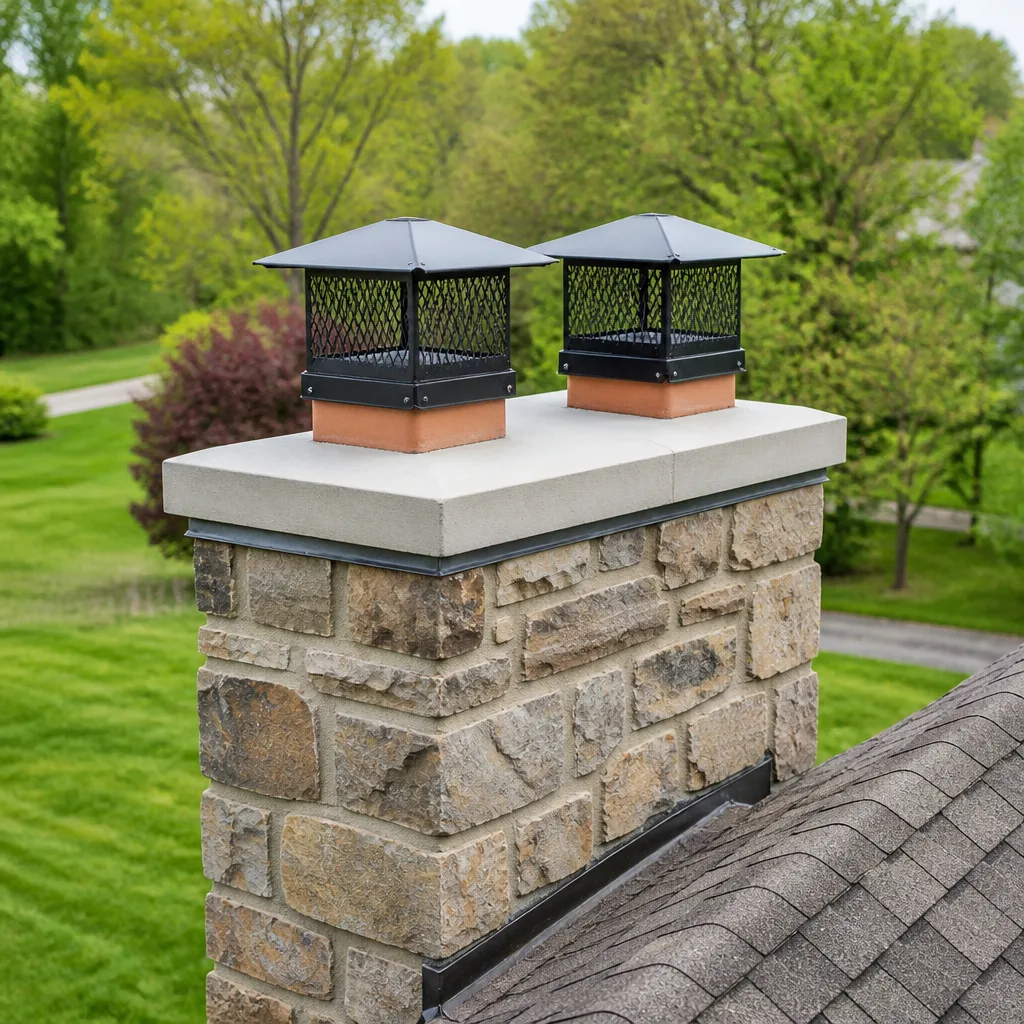 Caps & crowns
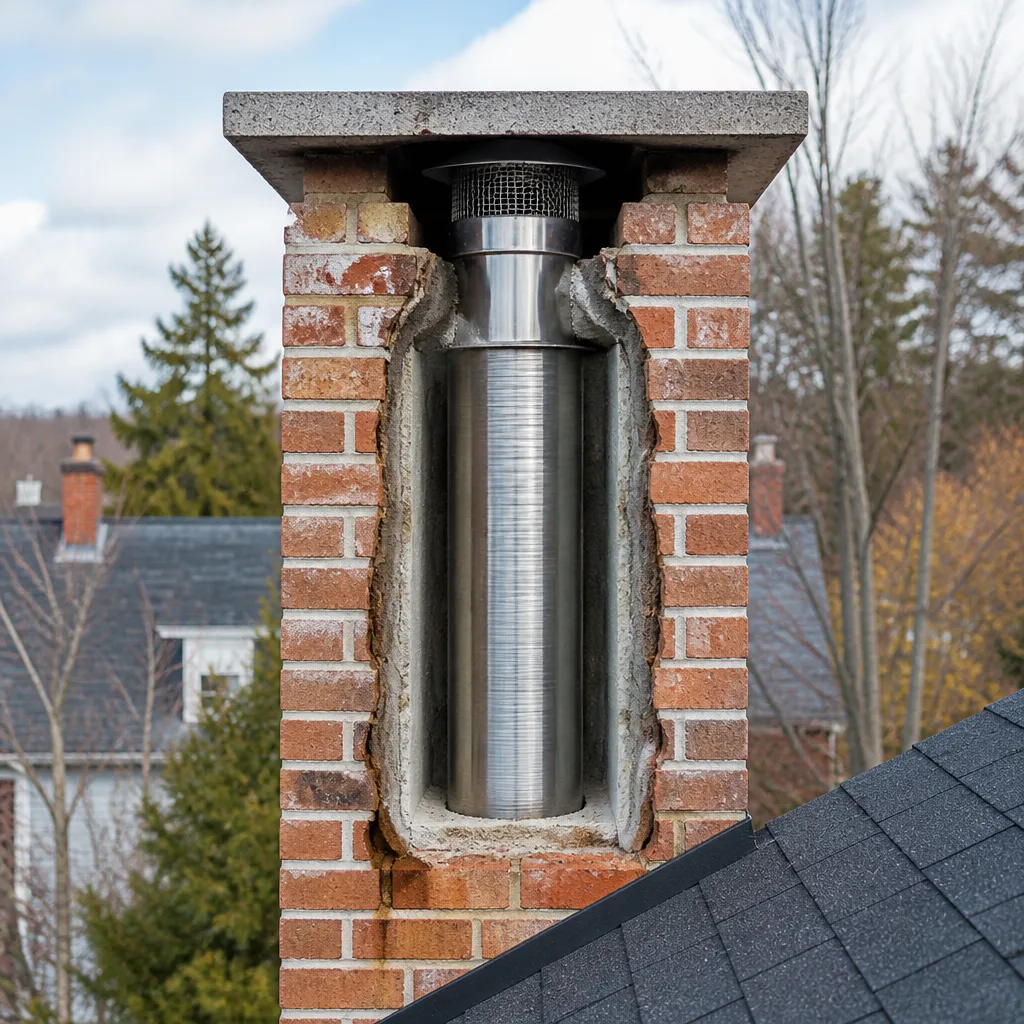 Flue relining
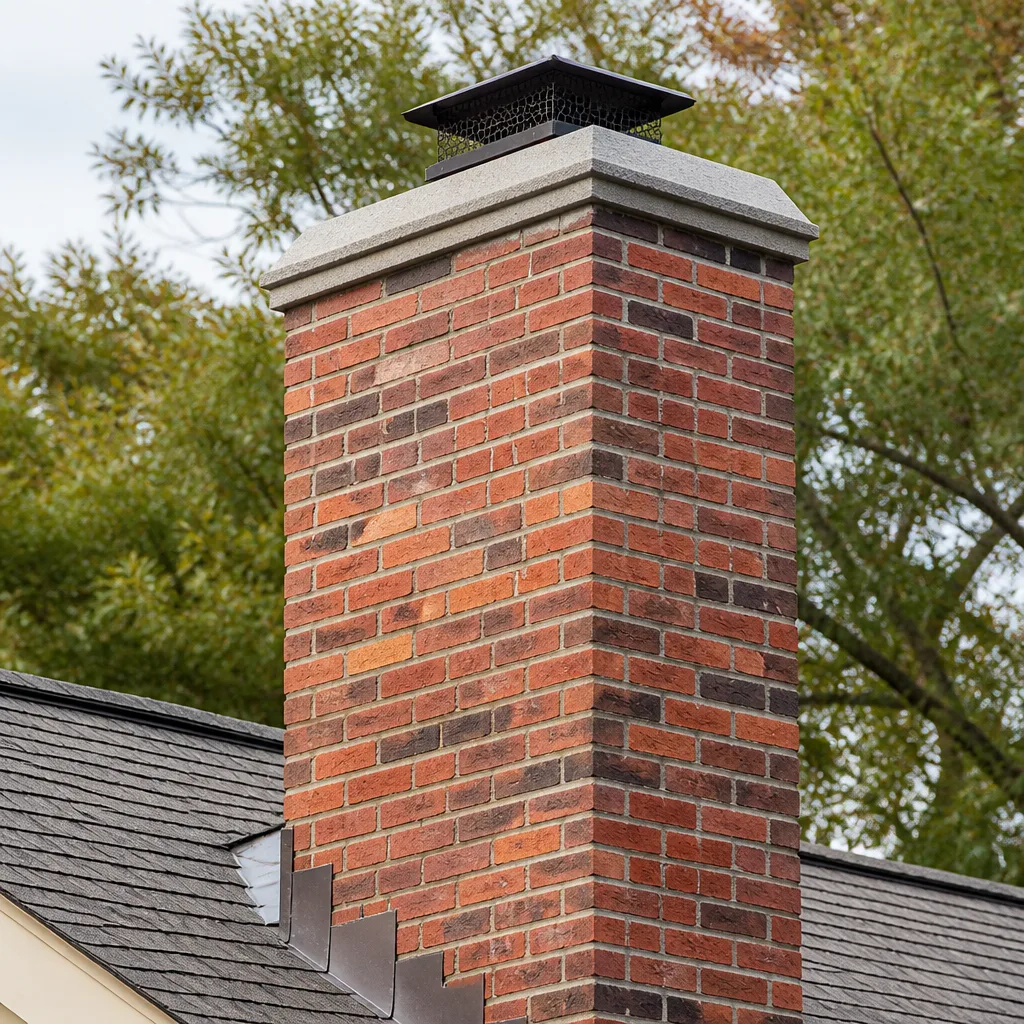 Masonry repair
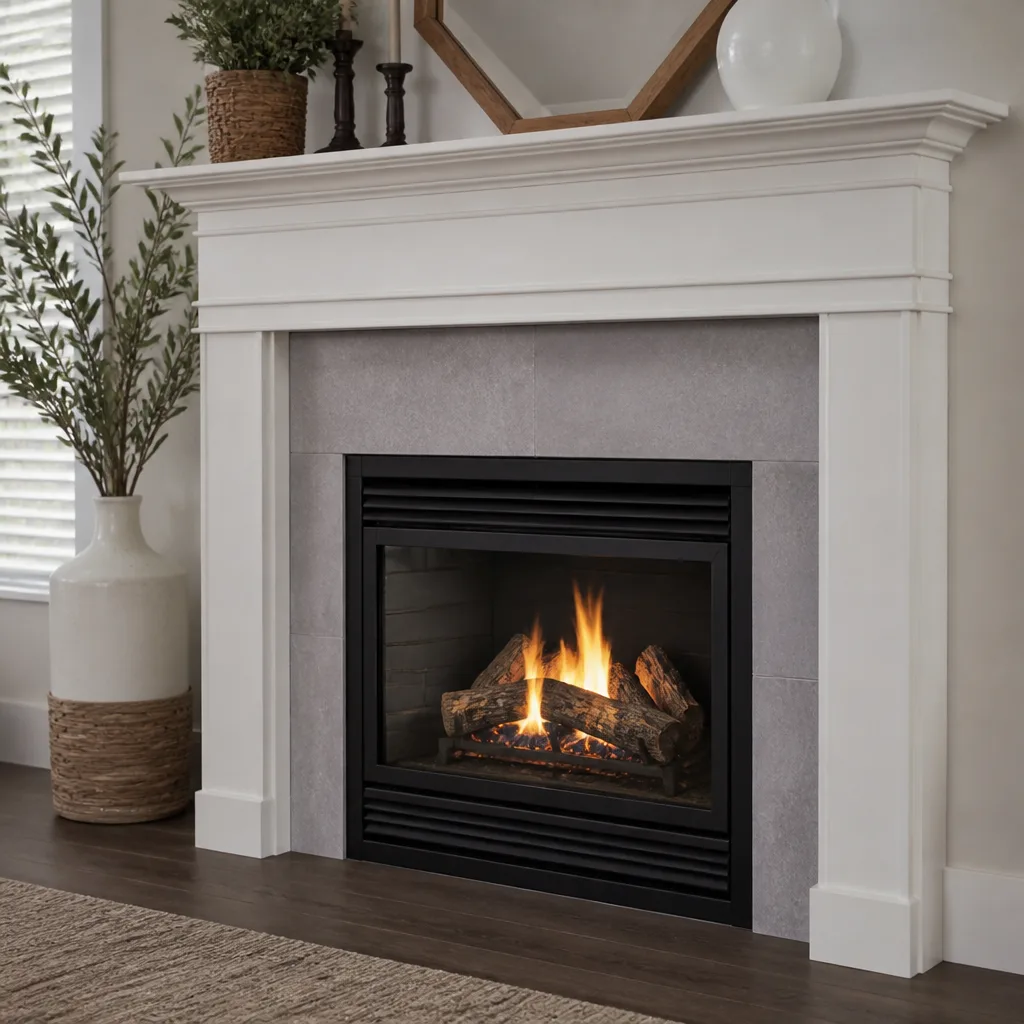 Gas fireplace service
Level 1 sweep and inspection to the NFPA 211 annual standard - flue, crown, cap, and flashing checked and photographed
Chimney sweep logs do not sweep chimneys. They loosen some creosote - which then falls where a brush and vacuum still have to collect it.
How to Hire a Chimney Cleaning Contractor in Draper: A Step-by-Step Guide
Utah does not require a specific chimney sweep license. That single fact changes how you should shop for this service. In most trades, a state license number is the floor you check before anything else. For chimney work in Draper, there is no such number to check, which means anyone with a brush, a ladder and a truck can call themselves a chimney professional and there is no state database that will contradict them. The certification most qualified sweeps carry exists partly because the state doesn’t fill that gap, and most homeowners have never heard of it. This guide walks you through the credentials, questions and red flags that separate a genuine specialist from a guy with a brush. By the end you’ll know exactly what to ask before you book, how to read the report you get back, and how to compare two quotes without getting fooled by the cheaper one.
Quick Answer
To hire a chimney cleaning contractor in Draper, verify CSIA certification and current liability insurance first, then ask how they inspect (camera or naked-eye), what a “cleaning” actually includes, and whether they carry trade-grade liner and cap materials rather than hardware-store parts. Get a written scope before any repair is approved, and treat the lowest bid with suspicion until you confirm it covers the same work as the others. The vetting is entirely on you here, so the questions matter more than the price.
Styles & brands we work with
- Sweep & inspection
- Caps & crowns
- Flue relining
- Masonry repair
- Gas fireplace service
Table of Contents
- Why There’s No Chimney License in Utah (and What That Means for You)
- What CSIA Certification Actually Verifies
- The Five Questions to Ask Before You Book
- How to Read a Chimney Inspection Report
- Why the Lowest Quote Usually Isn’t the Best Deal
- What a Real Repair Proposal Should Include
- Draper-Specific Things That Affect Your Chimney
- Red Flags That Should End the Conversation
Why There’s No Chimney License in Utah (and What That Means for You)
Utah does not issue a chimney sweep or chimney contractor license. There is no state exam specific to flues, no required apprenticeship, no continuing education mandate tied to a chimney credential. A general contractor’s license may cover some adjacent remodeling work, but it says nothing about whether the person understands draft, creosote behavior, liner clearances or crown integrity. That’s the gap you’re standing in when you hire in Draper.
What this means practically is that the burden of verification shifts from the state to you. You can’t look up a number and feel done. Instead you have to ask questions and read answers, and you have to know what a good answer sounds like. That’s the whole reason this guide exists. A contractor who has actually invested in the trade will welcome these questions because they’re how a real specialist distinguishes themselves from the people cutting corners.
The other side of no licensing is that price becomes a poor proxy for quality. When there’s no barrier to entry, the market fills with low-bid operators who own a shop vac and a rotary brush and not much else. They can undercut on price because they’re omitting scope, not because they’re efficient. A sweep who skips a camera inspection, skips the cap check and skips the crown isn’t doing the same job faster. They’re doing a smaller job and calling it the same thing.
None of this is meant to make you paranoid. Plenty of good chimney professionals work in and around Draper without a state license, because there is no state license to hold. The point is that you have to look at voluntary credentials, insurance and the quality of their answers instead. That’s the realistic path, and the rest of this guide lays it out.
What CSIA Certification Actually Verifies
The Chimney Safety Institute of America (CSIA) offers a Certified Chimney Sweep credential, and it’s the most widely recognized voluntary certification in this trade. It exists because states like Utah don’t regulate the work, so the industry built its own standard. Holding it means the sweep passed an exam covering codes, inspection standards and sweeping practice, and agreed to a code of ethics. It’s a meaningful signal, but you should understand exactly what it does and doesn’t cover.
What CSIA certification generally verifies:
- The sweep passed a knowledge exam on chimney and venting fundamentals.
- They’ve committed to a code of ethics and to following recognized inspection standards.
- They’ve agreed to keep up with continuing education to maintain the credential.
- They can be checked against the CSIA’s public directory, so you can confirm the claim rather than take it on faith.
What it does not verify:
- It isn’t a license, and it doesn’t replace liability insurance.
- It doesn’t guarantee the quality of any specific job.
- It doesn’t automatically cover specialized repair capabilities like liner resurfacing.
Here’s the important nuance: CSIA certification is the floor, not the ceiling. A certified sweep has cleared a baseline, but the certification doesn’t tell you whether they can install a DuraFlex liner system, apply HeatShield resurfacing, or fit a proper Gelco or Olympia Chimney cap. Those are separate capabilities, often requiring manufacturer-specific training, that a certified sweep may or may not have. So use CSIA as your first filter, then keep going. If a Draper contractor isn’t certified, that’s a strong reason to look elsewhere. If they are, that’s a reason to keep asking questions, not stop.
The Five Questions to Ask Before You Book
These five questions do most of the work. Ask them on the phone before you schedule. The answers will tell you in about five minutes whether you’re talking to a specialist or a generalist with a brush.
- What kind of insurance do you carry, and what are your limits? You’re looking for general liability coverage, and ideally workers’ compensation. Ask for the limits; a real professional knows them off the top of their head. If they hesitate or say “the company handles it,” press for details. If they can’t produce a certificate of insurance, that’s your answer. The local pro you hire should be licensed and insured as their state requires, so ask to see it.
- How do you inspect the flue, camera or just visual? A proper inspection uses a camera to see the full interior of the flue, not just what a flashlight catches from the top. A sweep who only does a visual look can miss cracks, gaps and deterioration deeper in the liner. For a Draper home with an older masonry chimney, a camera inspection is the only way to know what’s really going on inside.
- What’s actually included in a “cleaning”? A real sweep covers the firebox, damper, smoke chamber, smoke shelf and flue, plus a check of the cap and crown. If their answer is just “we brush the flue,” you’ve found a scope problem. Dust containment matters too, especially in a finished living room.
- How do you handle repair recommendations? A good contractor finds problems and explains them with evidence, photos and camera footage you can see. A bad one leads with a scary recommendation and a big number before you’ve seen anything. Ask how they document findings and whether you get photos or video you can keep.
- Do you carry professional-grade liner and cap materials, or do you order them? What brands? This separates the specialists from the handymen. Ask whether they work with trade lines like DuraFlex liner systems, HeatShield resurfacing or Gelco and Olympia Chimney caps and components. A generalist won’t know what you’re talking about, or will name a hardware-store brand. Trade-grade materials installed by someone trained on them are the difference between a fix that lasts and a patch that fails.
Ask these questions of every contractor you’re considering, and compare the answers side by side. The pattern will be obvious fast. The Draper Chimney Sweep team is happy to walk through them with you if you want a reference point for what good answers sound like.
How to Read a Chimney Inspection Report
A chimney inspection should produce a report, and the report is where a lot of problems hide, not in the chimney but in the language. The inspection itself is governed by recognized standards that define three levels, and knowing which level you’re getting matters before the sweep arrives.
- Level 1: A basic visual inspection of readily accessible portions, typically done alongside an annual cleaning. Fine for a chimney in known good condition with no changes.
- Level 2: A more thorough inspection including accessible portions of the attic, crawlspace and connected appliance areas, often with camera video of the flue. This is the standard for a home sale, a change in fuel type or an appliance swap.
- Level 3: A diagnostic inspection that may involve opening walls or other access when a serious hazard is suspected. Rare, and usually triggered by Level 2 findings.
When you read the written report, watch for vague language that obscures real findings. Phrases like “some deterioration noted” or “liner appears serviceable” or “recommend further evaluation” without specifics are red flags for ambiguity. A good report names the location, describes the condition and states the implication. Instead of “some deterioration,” it should say where in the flue, what kind of defect, and what it means for safe use. Photos and camera footage should be attached or at least available to you.
Pay attention to how the report handles the cap and crown. These are the most common sources of water intrusion and animal entry in Draper, and a report that doesn’t address them is incomplete. If the report recommends repair, it should explain the evidence and give you the option to see it yourself. You should never feel pushed toward work you can’t verify. If the language is fuzzy, ask them to put it in plainer terms. A qualified inspector will be able to, and a bad one won’t.
Why the Lowest Quote Usually Isn’t the Best Deal
When two quotes for the same chimney work differ by a wide margin, the gap almost always reflects a difference in scope, not efficiency. The lower bid is frequently doing less work, using cheaper materials or skipping steps that the higher bid includes. Comparing them on price alone is how homeowners end up paying twice.
To compare bids on equal terms, line them up against a checklist. Each quote should be evaluated on the same criteria:
- Materials: Does one specify trade-grade components like a DuraFlex liner or a Gelco cap while the other leaves it vague? “Stainless liner” without a brand or grade is a warning sign.
- Scope: Does each quote cover the same surfaces and components? One may include resurfacing a deteriorated smoke chamber, the other may not mention it.
- Inspection: Is a camera inspection included, or is it an add-on? One bid may be cheap because it’s skipping the diagnostic that would reveal the real problem.
- Disposal and cleanup: Is hauling away the old liner or cap included, and is dust containment specified?
- Documentation: Does the quote come with the inspection findings, photos and a written scope? A bid with no written scope is not a bid, it’s a guess.
The lowest quote isn’t automatically wrong. Sometimes it’s genuinely the right fit for a simple job. But if it’s dramatically lower, ask what it leaves out. A contractor who can’t tell you precisely what’s included and what’s excluded is a contractor you shouldn’t trust with the work. And remember that a chimney that gets patched to pass a quick look, using hardware-store parts, tends to come back as a larger problem months later. Built to last costs a little more up front and a lot less over time. If you want to compare what proper chimney repair scope looks like, our team can explain what’s typically included.
What a Real Repair Proposal Should Include
A legitimate chimney contractor’s proposal looks different from a generalist handyman’s. Where the handyman hands you one lump sum and a verbal explanation, a specialist’s proposal reads like a small engineering document. That’s because chimney repair involves clearances, venting and draft, and the right materials matter. Here’s what a real proposal should contain that you won’t get from the guy with a brush.
- A named diagnosis with evidence. The proposal should state what’s wrong, where, and how they know. Photos or camera footage should be referenced. You should be able to point to the exact defect.
- Specific materials by brand and type. For a liner problem, the proposal should name the system, such as a DuraFlex liner appropriate to the appliance and flue. For a flue whose walls are deteriorated but not structurally failed, HeatShield resurfacing may be the specified repair instead of full relining, and the proposal should say which and why. For caps and crowns, it should name the product, and it should explain why that remedy fits the diagnosis.
- An explanation of why the chosen fix is right. A specialist can tell you why resurfacing instead of relining, or why a full cap replacement instead of a repair. That reasoning is what you’re paying for.
- A written scope with inclusions and exclusions. What will be done, what won’t, and what conditions might change the price. This is where a handyman’s verbal estimate falls apart.
- A description of how the work is verified. How will they confirm the repair is sound when they’re done? A camera check after the work is standard for a real contractor.
- The estimate in writing, with the final price set by that written estimate. The number you agree to is the number on the paper.
The single biggest advantage of hiring a full-service specialist is that diagnosis and repair sit under one roof. When the inspection turns up a problem, the same company makes the recommendation and does the work, with no handoff to a third party who hasn’t seen the chimney. Draper Chimney Sweep covers chimney sweep, inspection, fireplace repair, chimney repair, and cap and crown work as one scope. That’s why we can name exactly what we install: DuraFlex liner systems, HeatShield resurfacing, and Gelco, Olympia Chimney and Famco caps and components, sourced from trade suppliers rather than hardware-store shelves.
Draper-Specific Things That Affect Your Chimney
Chimneys in Draper face a particular set of conditions that should shape how you judge a contractor’s recommendations. The local climate swings hard between hot, dry summers and cold winters with snow, and the freeze-thaw cycle works on masonry throughout the cold months. Water gets into small cracks, freezes, expands and opens them wider. Over a few seasons, a hairline crack in a crown can become a real pathway for water, and a cap that’s cracked or missing is the fastest route to that problem. A contractor who doesn’t look closely at the cap and crown in Draper is missing the most common source of trouble.
The housing stock matters too. Draper has a mix of older masonry chimneys and newer homes with factory-built fireplaces, and each has its own inspection considerations. An older masonry chimney may need a camera inspection to see liner condition that a naked-eye look will miss. A newer factory-built unit may have specific venting requirements that only a specialist trained on those systems will know. When you ask your questions, be specific about what kind of chimney you have, and see whether the contractor answers with detail or generic reassurance.
Burning behavior matters as well. A fireplace that gets used regularly through the winter builds up creosote, and how quickly depends on the wood burned and how the fire is run. A contractor who asks you how often you burn and what you burn is paying attention. One who doesn’t ask anything about your use before quoting a cleaning is probably quoting the same number to everyone. Draper homes that see regular winter fires should be on a steady inspection rhythm, and a good local contractor will tell you what rhythm fits your setup rather than a one-size-fits-all answer.
Red Flags That Should End the Conversation
Some warning signs are decisive. If you see any of these, it’s reasonable to end the conversation and call someone else, because each one points to a contractor who either can’t do the job properly or is setting you up for unnecessary work.
- No verifiable certification or insurance. A contractor who can’t produce proof of CSIA certification or a certificate of insurance is a risk you don’t need to take, especially with no state license to fall back on.
- Pressure to approve repair before you’ve seen evidence. If they’re pushing a big repair after a visual glance, with no camera footage or photos, walk away. Evidence first, recommendation second.
- Quotes with no written scope. A verbal number with no paper behind it is not a bid. You have no way to compare it or hold anyone to it.
- Can’t name the materials they’d use. A specialist names the liner system, the cap product, the resurfacing method. A generalist says “good quality materials” and hopes you don’t ask.
- Recommends relining when resurfacing might do. Full relining is sometimes the right call, but a contractor who jumps straight to it without explaining why resurfacing won’t work may be overselling. Ask specifically why HeatShield resurfacing isn’t an option for a deteriorated but structurally sound flue.
- Doesn’t inspect the cap and crown. In Draper, skipping the cap and crown check is a serious omission. Water entry starts there more often than anywhere else.
- Won’t put findings in writing or share photos. If you can’t inspect the evidence yourself, you can’t verify the recommendation. That’s the whole point.
Common Mistakes to Avoid
- Assuming a state license exists to check. Utah doesn’t issue one, so looking for a license number gives you a false sense of security. Verify CSIA certification and insurance instead, and ask the questions.
- Booking on price alone. The cheapest sweep in Draper is often cheapest because they’re skipping the camera inspection, the cap check or the crown, not because they work faster. Compare scope, not just the number.
- Accepting a verbal repair recommendation. If a contractor tells you the liner is shot without showing you camera footage or photos, you have no way to know it’s true. Ask to see the evidence before you agree to anything.
- Skipping the cap and crown conversation. These are the top source of water intrusion and animal entry in Draper’s climate. A contractor who doesn’t bring them up is leaving your chimney exposed.
- Letting a generalist install a liner. Liner installation involves clearances and venting that a handyman may not understand, and hardware-store parts aren’t the same as trade-grade systems. Use a specialist who names the product.
- Treating a cleaning as a one-time transaction. A sweep who brushes the flue and leaves without checking the firebox, damper and smoke chamber has done part of the job. Ask what’s included before you book.
- Not getting the estimate in writing. The written scope and estimate are what protect you. Without them, price disputes and scope disputes are guaranteed.
When to Call a Professional
Some situations call for a professional rather than a home inspection checklist. If you’re buying or selling a home in Draper, a standalone Level 2 inspection gives buyers and sellers an objective condition assessment, and it’s worth doing before closing rather than after. If you burn wood regularly, an annual sweep and inspection keeps creosote from building to a dangerous level. If you’ve had a chimney fire, even a small one, get an inspection before using the fireplace again. If you notice water stains, rust, a cracked crown, a loose cap or animals getting in, those are signs of a problem that needs a trained eye. And if a previous contractor gave you a vague recommendation you couldn’t verify, a second opinion from a specialist is worth the call.
Draper Chimney Sweep offers free estimates in Draper. Call (855) 658-4373. We answer 24/7. Fast dispatch from 7am to 7pm, Sunday through Friday. The estimate is free, and the final price is set by the written estimate.
Frequently Asked Questions
Utah does not issue a chimney sweep or chimney contractor license, so there’s no state license to verify. Instead, look for CSIA (Chimney Safety Institute of America) certification and current liability insurance, and ask the five questions in this guide. The local pro is licensed and insured as their state requires, and you should see proof before booking. Call (855) 658-4373 for an exact quote – estimates are free.
Ask about insurance type and limits, how they inspect the flue (camera or naked-eye), what’s actually included in a cleaning, how they handle repair recommendations, and whether they carry professional-grade liner and cap materials. The answers will tell you quickly whether you’re talking to a specialist. If they can’t name the materials or show insurance, keep looking. Call (855) 658-4373 and we’ll walk you through what good answers sound like.
CSIA certification verifies that a sweep passed a knowledge exam on chimney and venting fundamentals, agreed to a code of ethics, and committed to continuing education. It is not a license and does not replace insurance, but it’s the most recognized voluntary credential in this trade. Treat it as the floor for evaluating a contractor, then confirm specialized repair capabilities separately. Call (855) 658-4373 for an exact quote on your chimney.
A lower quote usually reflects a smaller scope, not greater efficiency. The cheap bid often skips the camera inspection, the cap and crown check or a resurfacing step, and it may use hardware-store materials instead of trade-grade systems. Compare bids line by line on materials, scope and documentation before deciding. Call (855) 658-4373 for a written estimate you can compare on equal terms.
Most Draper chimneys should be swept and inspected annually, especially if you burn wood regularly through the winter. Homes that burn heavily may need more frequent checks. A proper annual visit includes a sweep, a camera look at the flue, and a check of the cap and crown, since water entry starts there most often. Call (855) 658-4373 for an exact quote – estimates are free.
A real proposal includes a named diagnosis with photos or camera evidence, specific materials by brand and type (such as a DuraFlex liner or HeatShield resurfacing), the reasoning behind the chosen fix, a written scope with inclusions and exclusions, and a written estimate that sets the final price. A handyman’s verbal lump sum includes none of that. Call (855) 658-4373 to see what a proper written scope looks like.
The Bottom Line
Hiring a chimney contractor in Draper comes down to a few things you can control. There’s no state license to check, so verification is on you: confirm CSIA certification and insurance, ask the five questions, and get a written scope before any repair is approved. Watch for vague inspection language, and remember the lowest bid usually means less work, not more value. When you compare proposals, look for named materials, evidence-backed recommendations and a written estimate. A specialist who names what they install and can show you why is the one worth booking. Draper Chimney Sweep offers free estimates in Draper. Call (855) 658-4373. We answer 24/7. Fast dispatch from 7am to 7pm, Sunday through Friday.
Written by the team at Draper Chimney Sweep.
See the difference
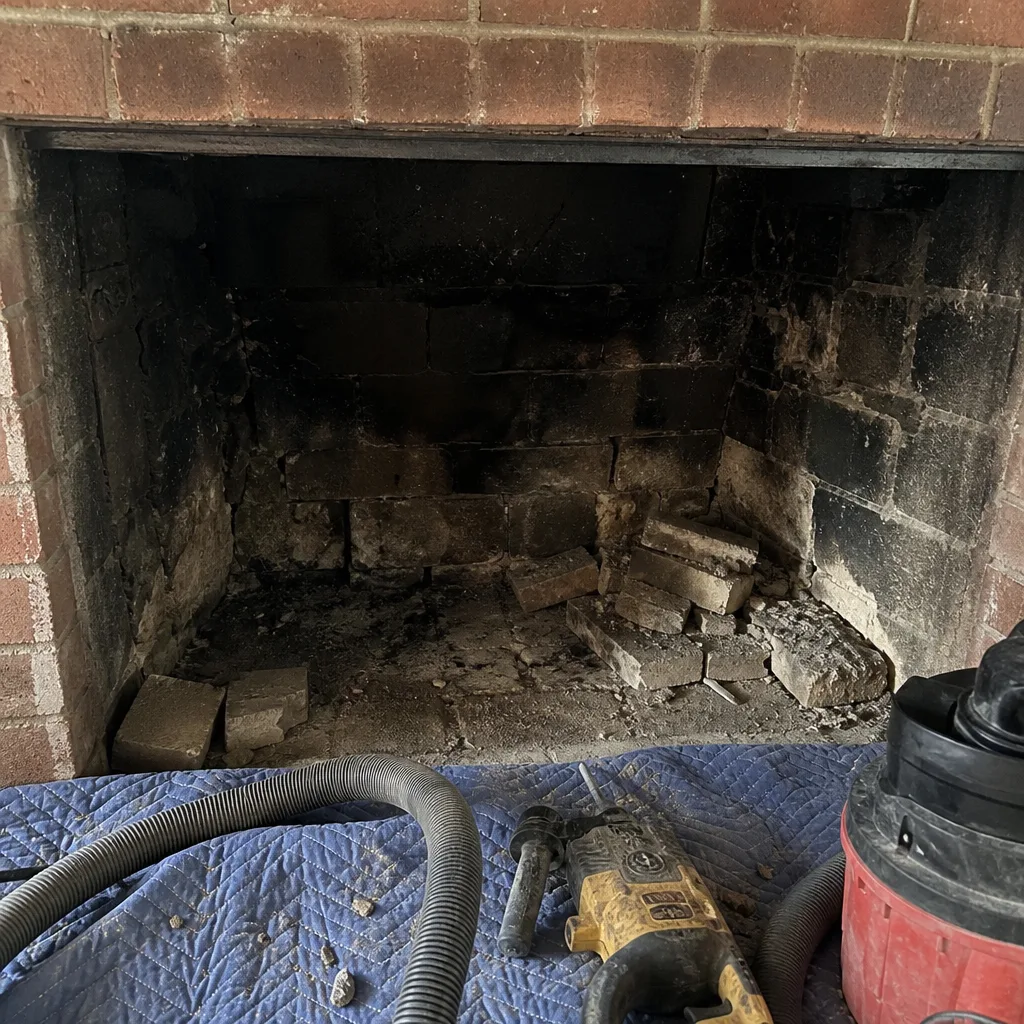 Before
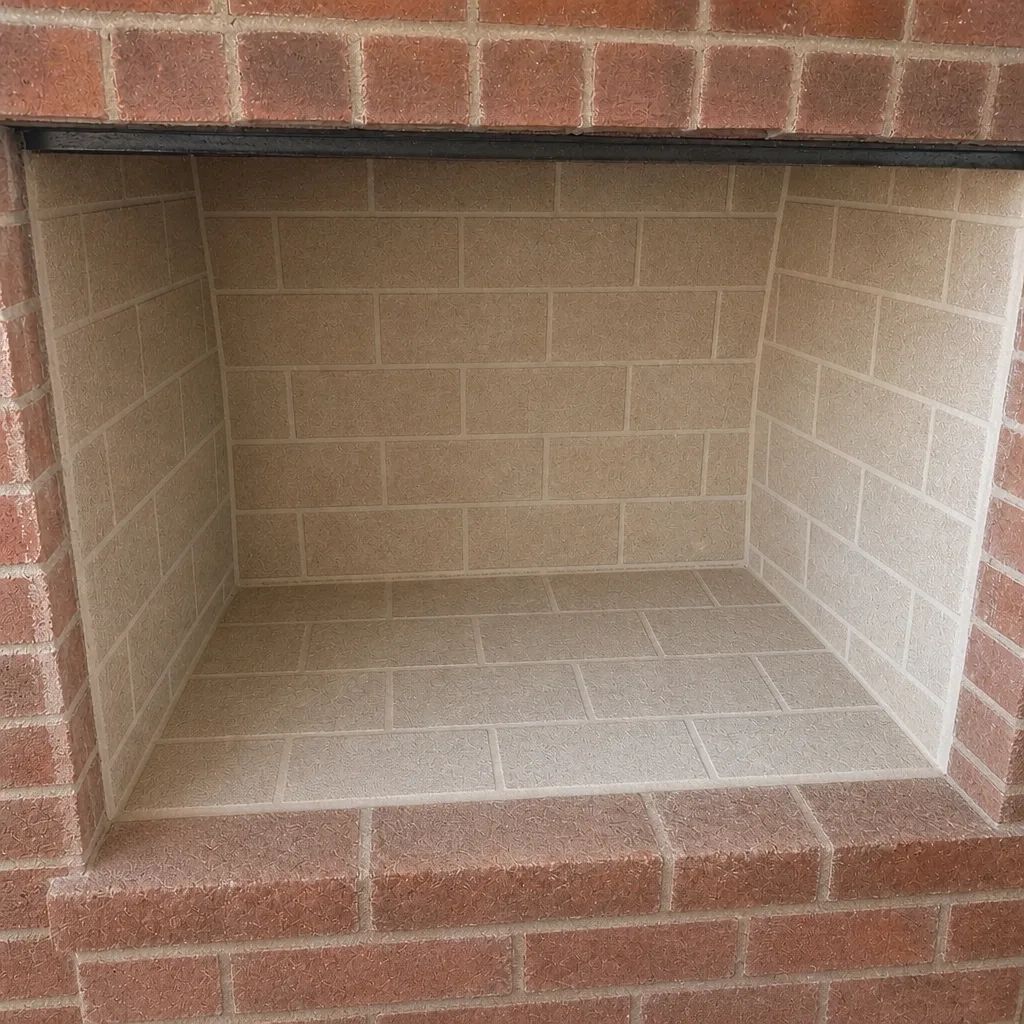 After
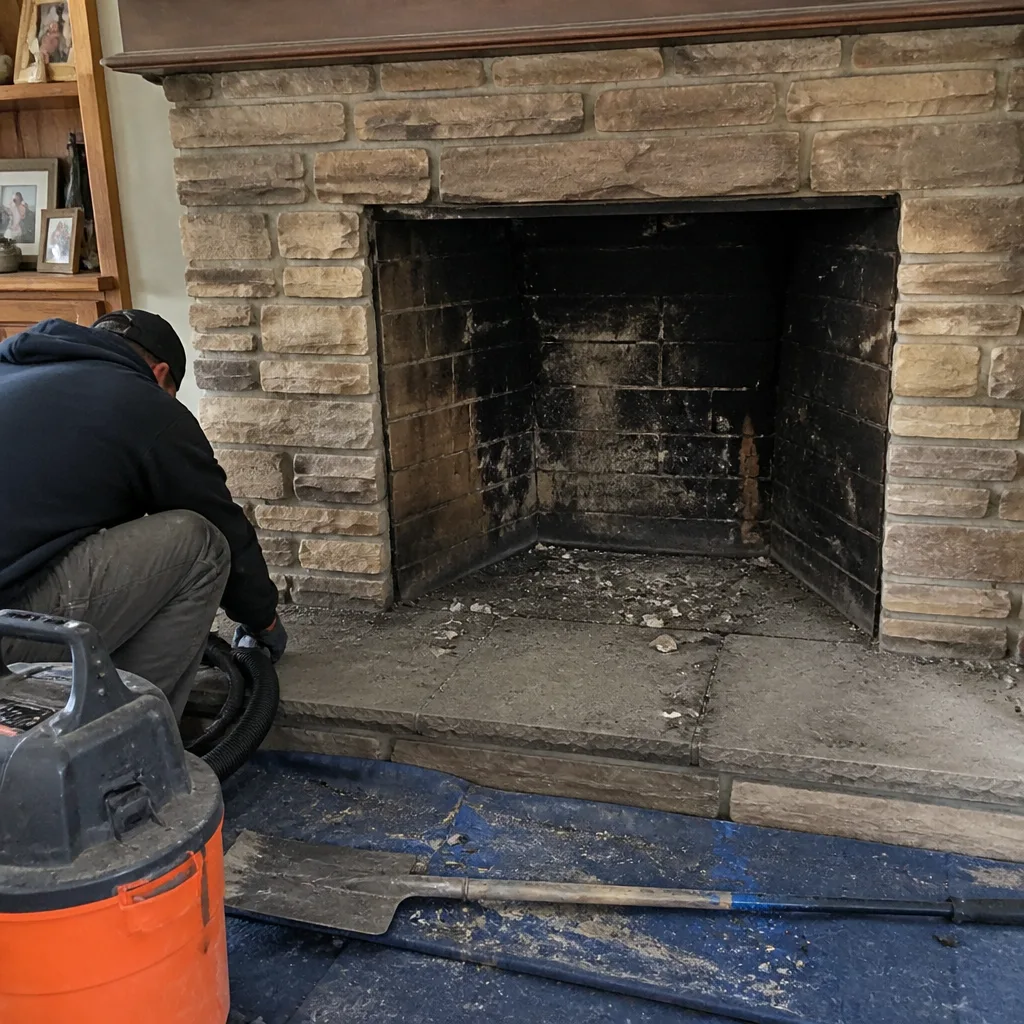 Before
 After
 Before
 After