
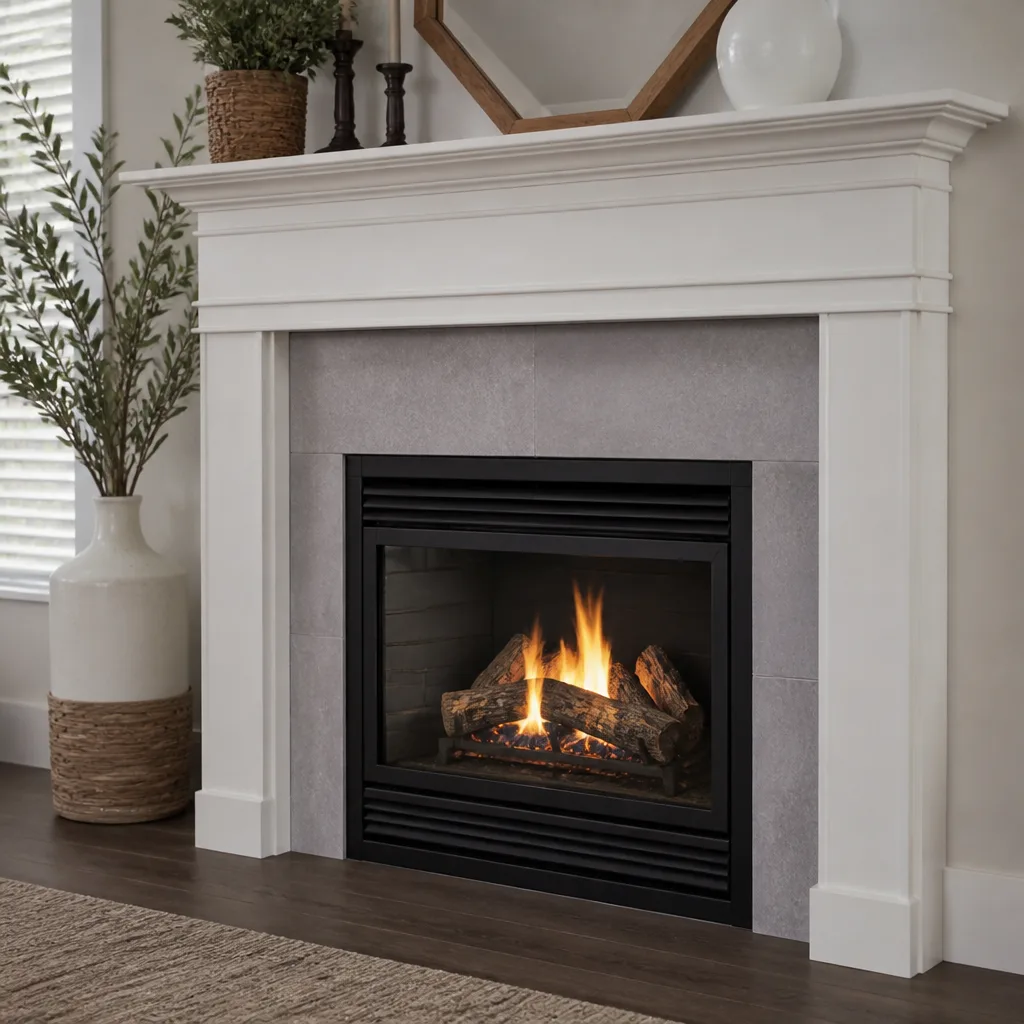
 Gas fireplace service
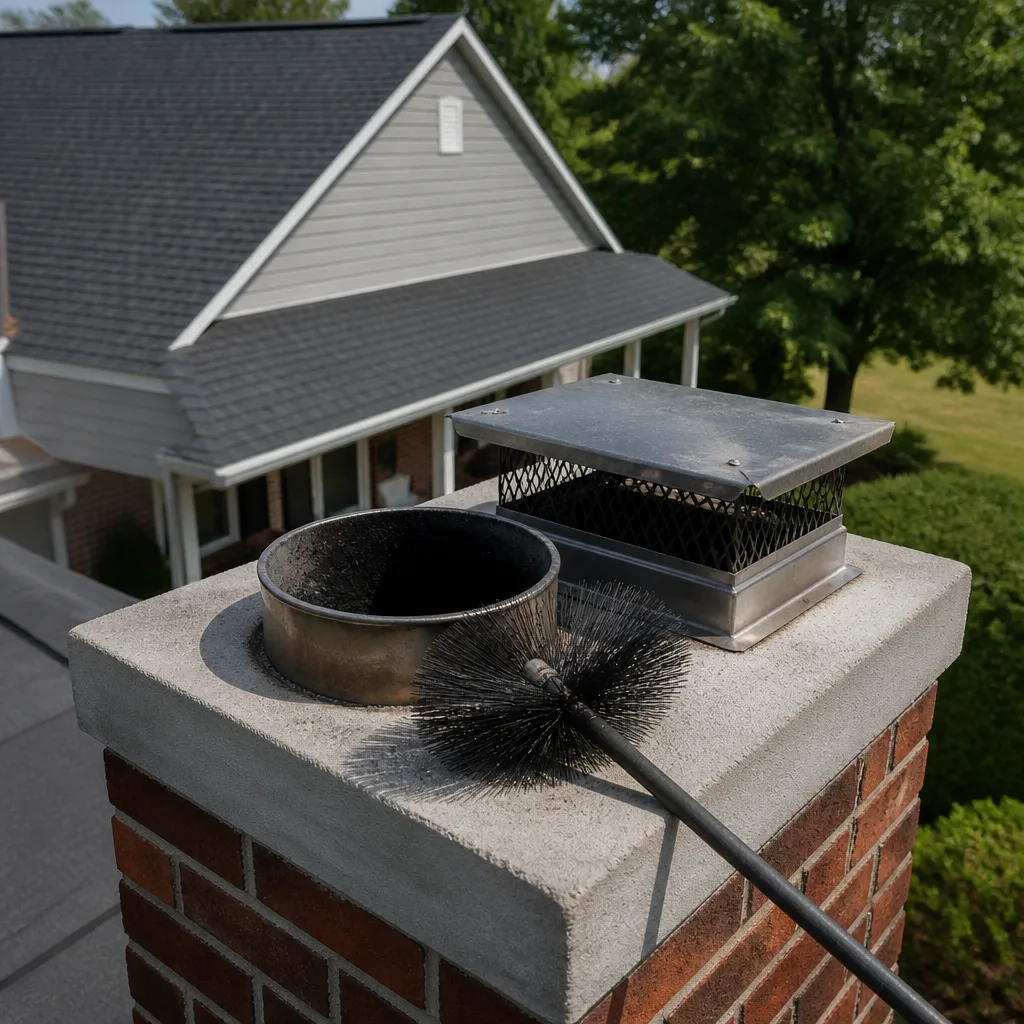 Sweep & inspection
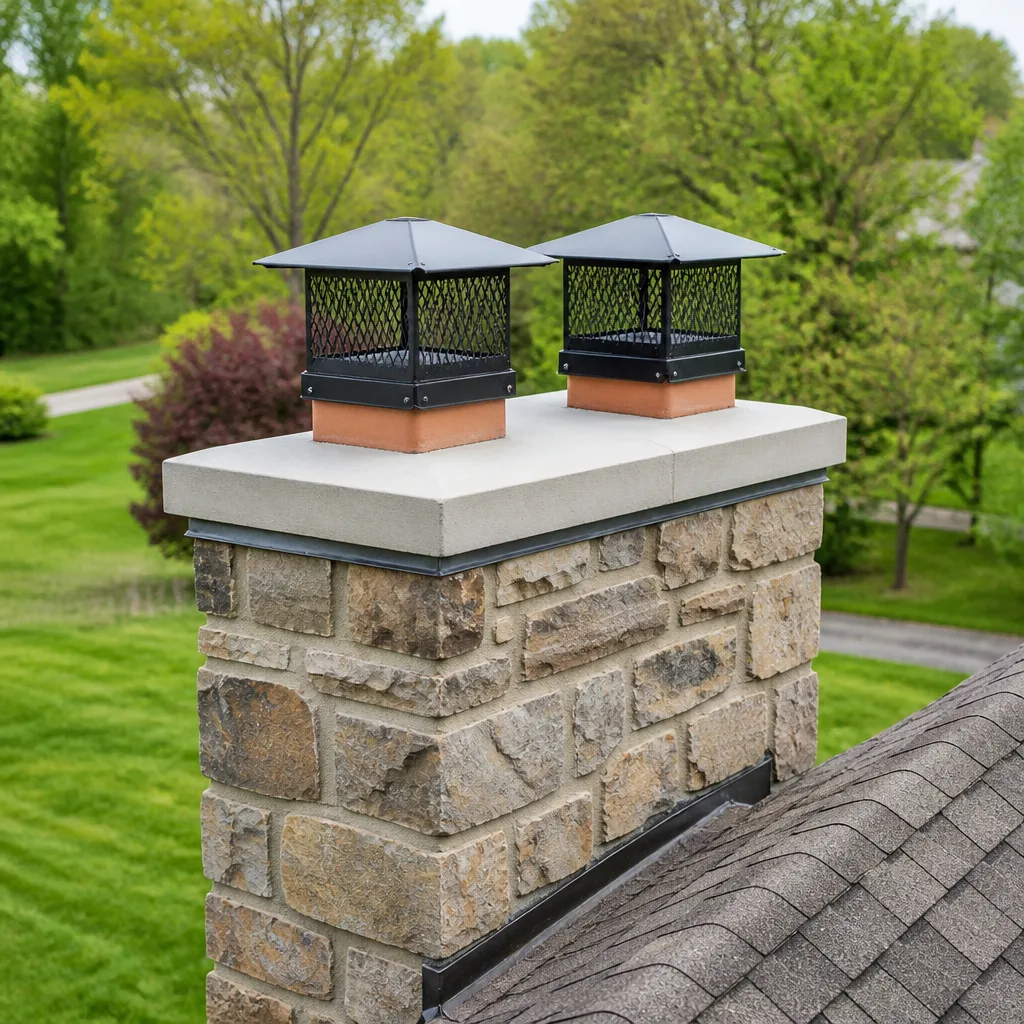 Caps & crowns
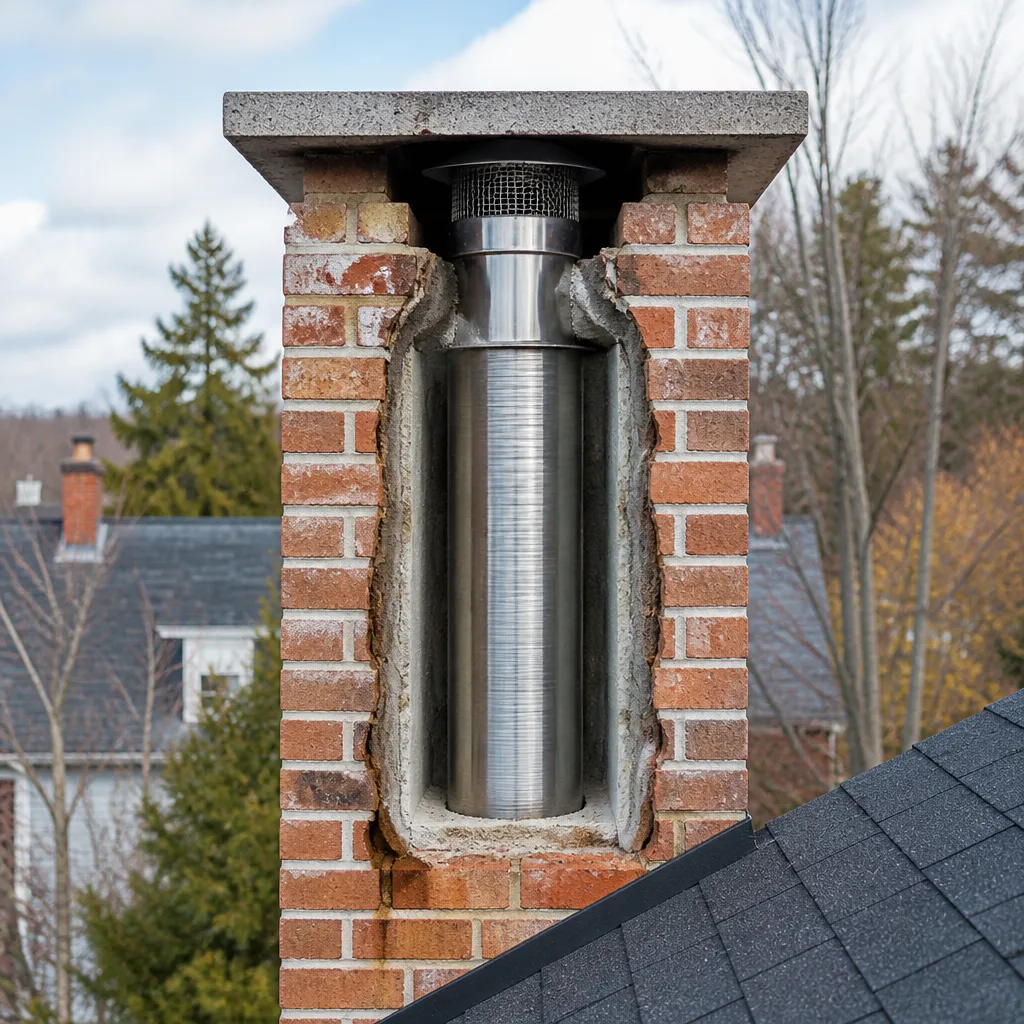 Flue relining
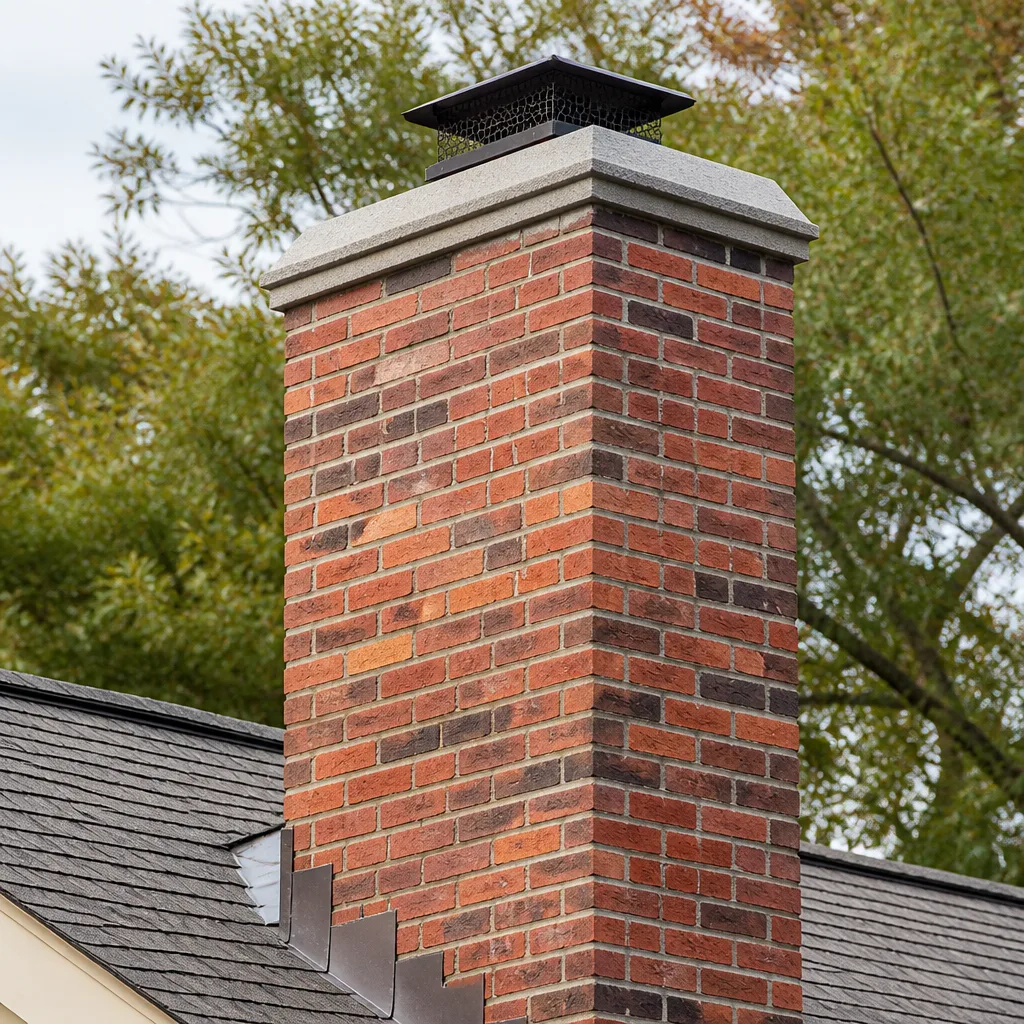 Masonry repair
Level 1 sweep and inspection to the NFPA 211 annual standard - flue, crown, cap, and flashing checked and photographed
Chimney sweep logs do not sweep chimneys. They loosen some creosote - which then falls where a brush and vacuum still have to collect it.
Why Draper Homeowners Choose HeatShield Chimney Cleaning
Draper Chimney Sweep provides independent HeatShield chimney cleaning and service in Draper, UT. HeatShield is a flue resurfacing and relining system, and we evaluate, clean, repair and re-coat HeatShield-lined flues with a camera inspection that shows you what we see. We are not affiliated with, authorized by, or a dealer for HeatShield – we’re an independent local service provider that works with the product and knows how it behaves in Draper homes.
Draper sits at the mouth of Corner Canyon, and the downslope canyon winds push debris, grit and wildfire ash into chimneys faster than in the valley cities to the west. Add a large stock of newer upscale homes whose tall, multi-story flue runs often go unswept because owners assume “new” means “clean,” and this is a wind-driven maintenance market.
One company handles diagnosis and repair, so a camera finding during a sweep doesn’t get handed off to a subcontractor. Call (855) 658-4373. We answer 24/7.
Key Takeaways
- We service existing HeatShield-lined flues: reading flaking, cracking and offset-flue symptoms a generic sweep won’t address.
- We run a Level 2 camera inspection so you can see failed bond or creosote glaze for yourself before anything is recommended.
- We’re independent, not authorized by HeatShield, and use genuine HeatShield product applied to spec for a proper repair.
- Our technicians have up to 11 years of experience with HeatShield resurfacing and reline work.
Styles & brands we work with
- Sweep & inspection
- Caps & crowns
- Flue relining
- Masonry repair
- Gas fireplace service
Why Trust Draper Chimney Sweep for Your HeatShield Chimney Cleaning?
HeatShield is a chimney relining and resurfacing system, not a factory service network, so the sweeps who work with it are judged on their own know-how and on how faithfully they follow HeatShield’s surface-prep and cure requirements. A sweep who is not careful with prep is the reason HeatShield failures happen in the first place. Our technicians have up to 11 years of experience relining and re-evaluating HeatShield jobs, which means we can read a failed or aging liner as readily as we can install a new one. That’s the difference between a sweep who tells you what you need and one who tells you what the flue actually shows.
We use quality parts that fit HeatShield equipment and follow the prep and cure steps the product calls for, because a HeatShield layer applied over soot instead of masonry is the single most common cause of delamination we find in Draper. Warranty-safe service matters too: there’s no aftermarket substitute for HeatShield’s proprietary liner material, so a proper repair uses genuine HeatShield product, not a look-alike refractory cement that won’t bond the same way. If the surface is sound but creosote-laden, we clean and re-coat. If the bond has failed across a large area, we’ll tell you plainly rather than sell repeated patch work, and you’ll see the evidence on camera first. Call (855) 658-4373. We answer 24/7. Fast dispatch from 7am to 7pm, Sunday through Friday.
Common HeatShield Chimney Cleaning Problems We Fix in Draper
HeatShield liners fail in predictable ways, and most of those failures start at the surface-prep stage rather than the product itself. Here’s what we look for.
- Surface delamination and flaking. The most common failure: the HeatShield layer bonded to soot instead of masonry because the original flue wasn’t fully wire-brushed and washed before application. Annual sweeping pulls off flakes of grey liner material along with the creosote, and the bond weakens each heating cycle.
- Hairline cracking and spalling after repeated heating. HeatShield surfaces that see heavy creosote glaze beneath the coating crack and spall along the flue as they expand and contract through Draper’s cold winters. That glaze needs removing before any re-coat will hold.
- Offset or oversize flues that went on unevenly. On a flue with an offset or an oversize opening, a HeatShield layer can leave a ridge or thin spot that traps creosote and resists a standard sweep. Corner Canyon’s grit and ash pack into those ledges fast, so these flues need re-leveling, not just another pass with the brush.
- Crown and flashing deterioration above the liner. Water wicks behind a HeatShield-lined flue from the top down when the crown cracks or the flashing pulls away, loosening the bond from the top. Our chimney waterproofing work usually traces back to a failed crown or flashing.
- Structural cracks beneath the liner. Sometimes the flue masonry itself has cracked below a HeatShield surface. If the coating failed because the flue moved beneath it, re-coating alone won’t fix that, and we’ll show you the crack on the camera before we recommend anything.
After a Corner Canyon wind event, our technicians routinely find caps packed with leaves, grit and tumbleweed fragments. Spring is creosote-check season for the many two-story great-room fireplaces in Draper that were never swept since the home was built, HeatShield or not.
HeatShield Parts & Our Repair-vs-Replace Approach
There’s no aftermarket substitute for HeatShield’s proprietary liner material, so we use genuine HeatShield product applied to spec, not a look-alike refractory cement. We don’t claim to stock or carry OEM parts, but we source quality materials that fit HeatShield equipment and follow the surface-prep and cure steps the product requires. Refractory cement that looks similar won’t bond the same way over masonry, and a cheap substitute is how a repair becomes a re-do.
The repair-or-replace call is straightforward once we’ve inspected. Where the existing HeatShield surface is sound but creosote-laden, cleaning and re-coating is worth it. Where the bond has failed across a large area, or the flue has structural cracks beneath, an honest pro recommends a full reline instead of repeated patch work. A typical job starts with a homeowner calling because the annual sweep keeps pulling off grey flakes, or a Level 2 camera run shows a cracked, delaminated patch near an offset, and it ends with a camera walk-through before you decide. We’ll also tell you plainly when work can safely wait. Call (855) 658-4373 for an exact quote. Estimates are free.
Our HeatShield Service Process – Step by Step
- 1
Diagnosis. We start with a Level 2 inspection and camera run of the full flue, probing the HeatShield surface for delamination, cracking and thin spots, and checking the crown and flashing at the top.
- 2
Repair or install. We strip and wash any suspect area back to bare masonry, then apply genuine HeatShield product to the section that failed, or prepare the full flue for a fresh coat where the whole surface is unsound. Prep and cure follow the product’s requirements.
- 3
Test. After curing, we re-run the camera to confirm even thickness, sound bond and no ridges that would trap creosote, and we check draft through the full flue run.
- 4
Document. You get a photo report of the before and after, plus the written estimate for any remaining work, so the record of your HeatShield flue stays with the home.
See the difference
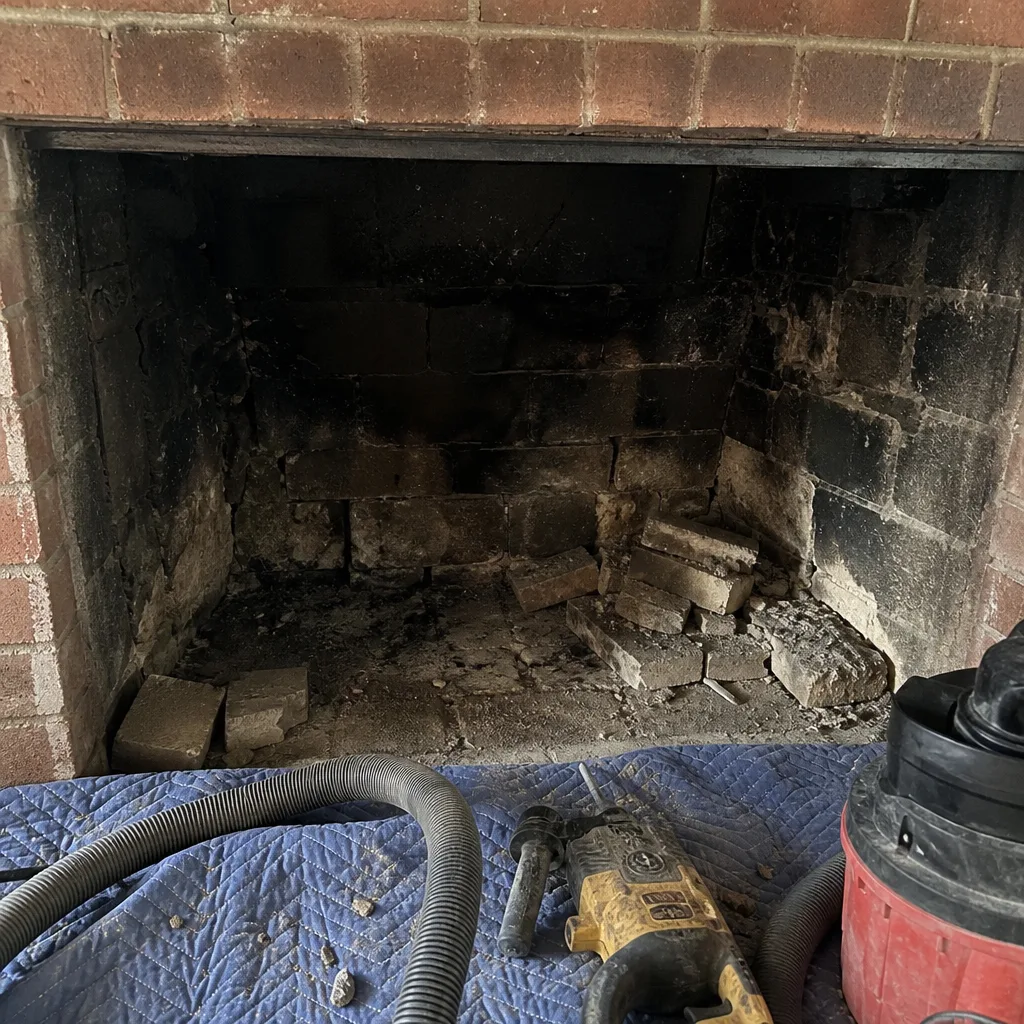 Before
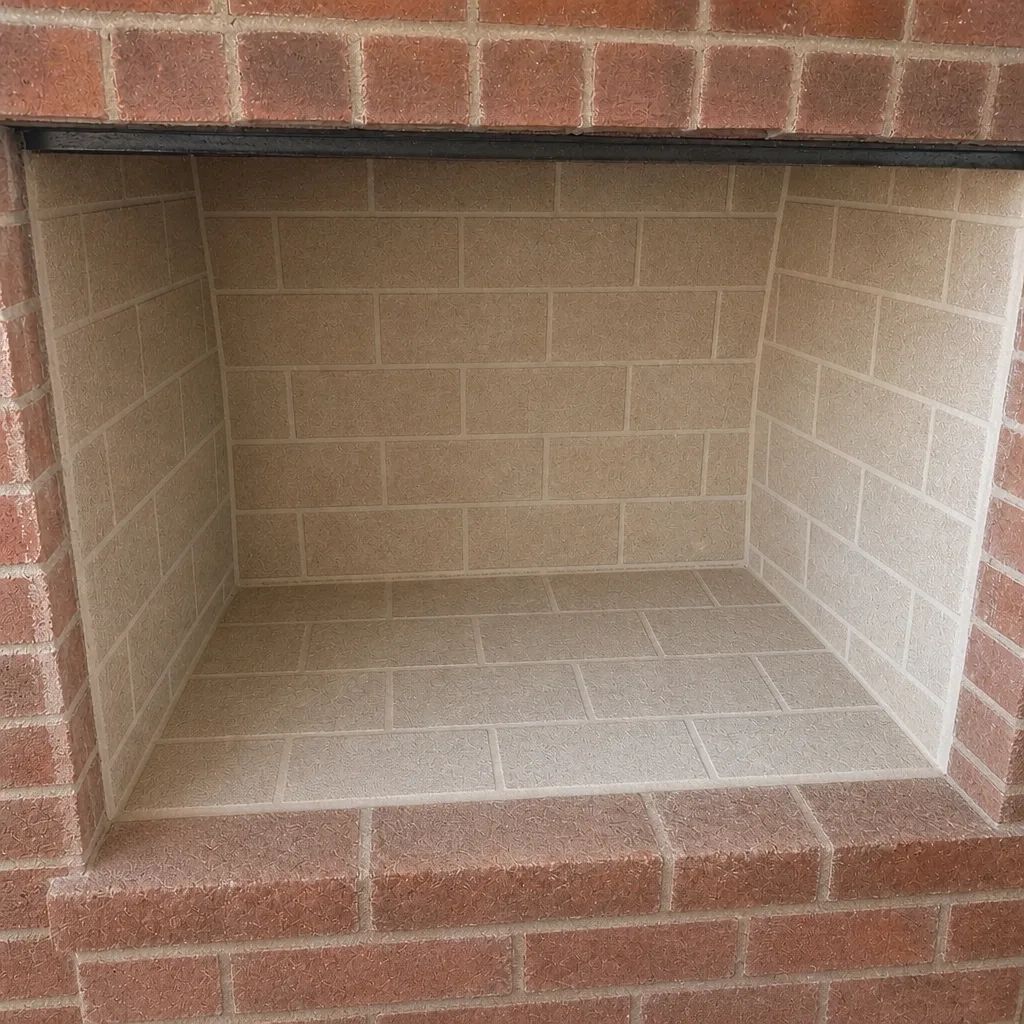 After
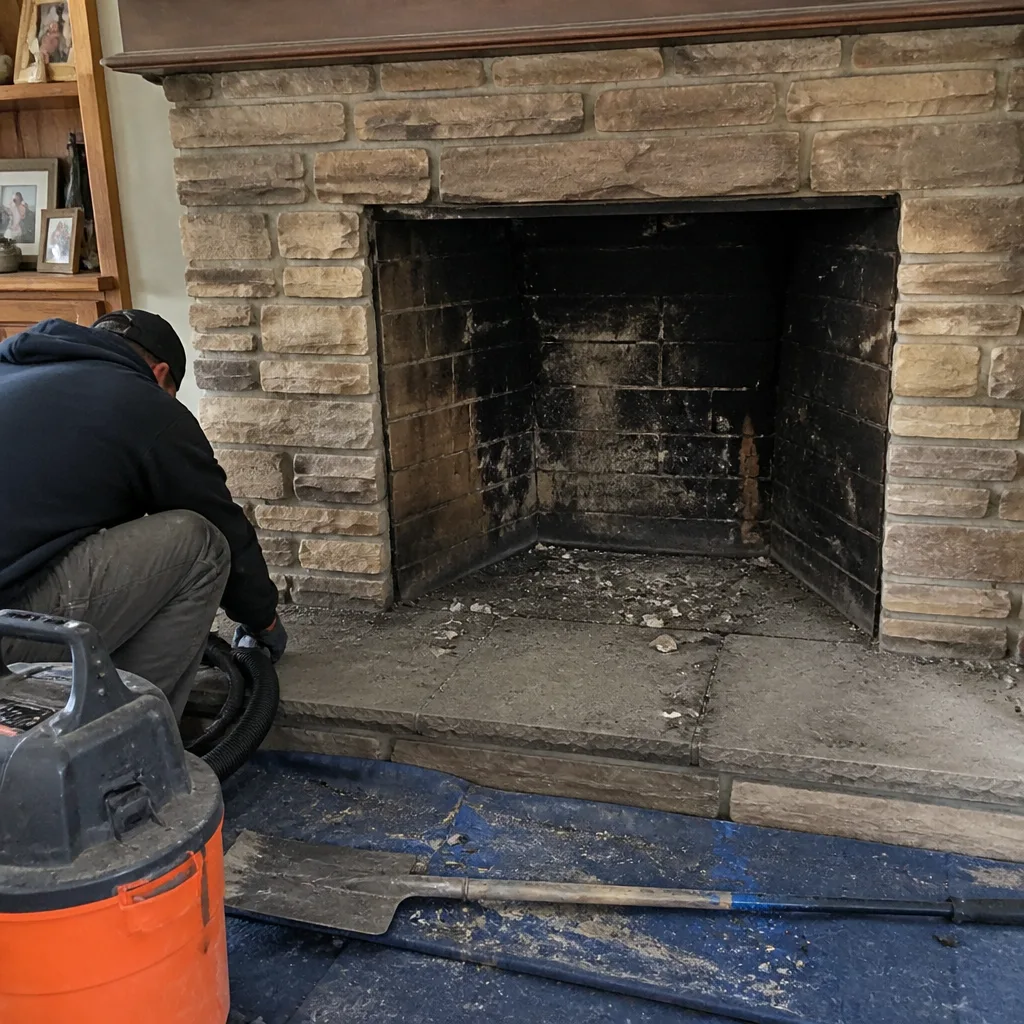 Before
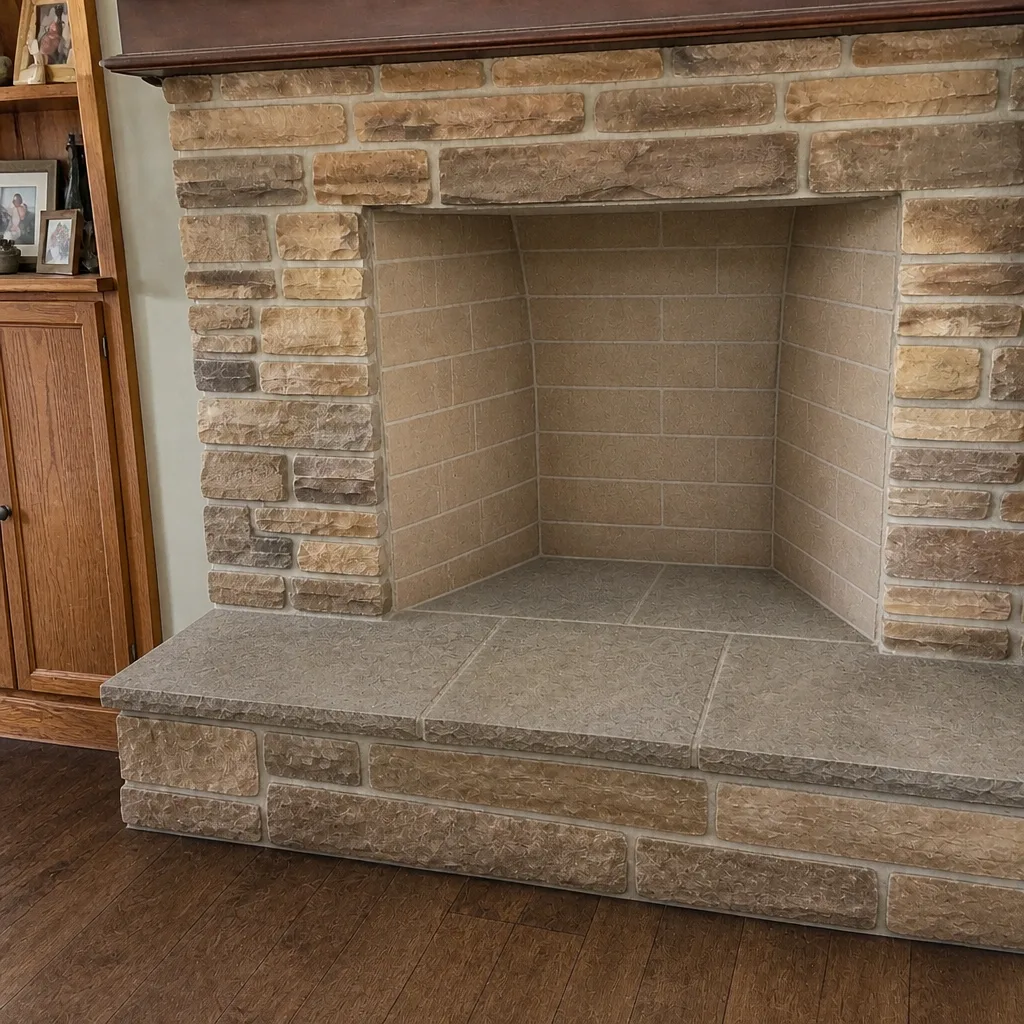 After
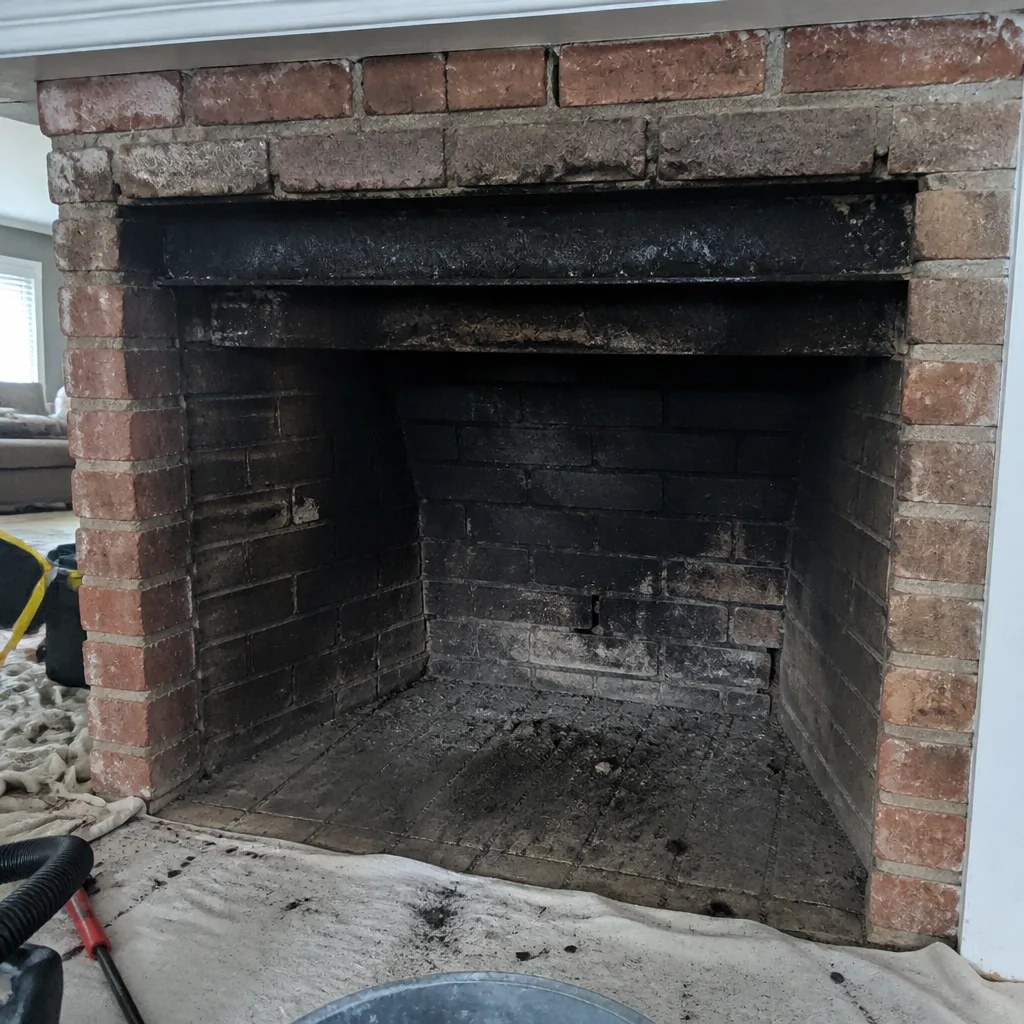 Before
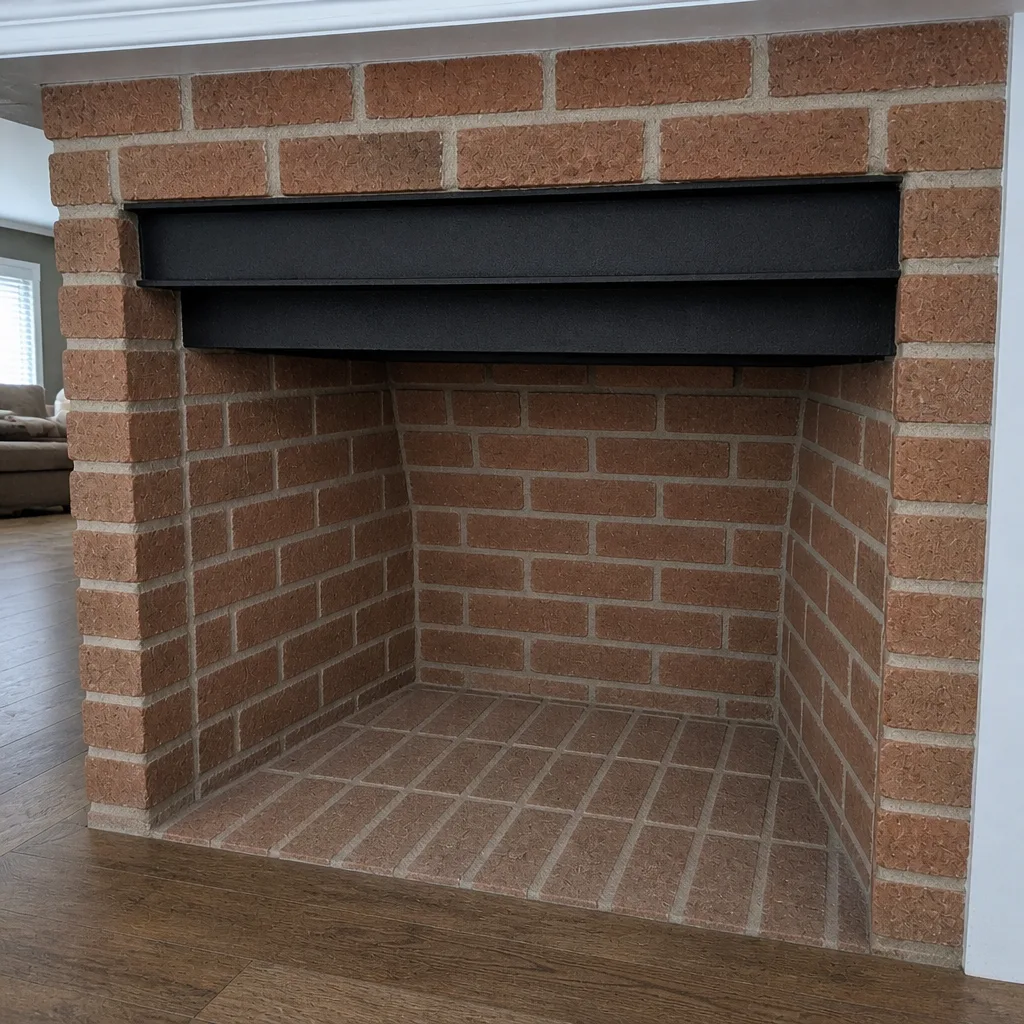 After
HeatShield Products We Service & Install in Draper
We service a range of HeatShield products across Draper homes, along with the surrounding masonry and cap work that keeps them dry. That includes HeatShield Cerfractory Flue Sealant, a cast-in-place insulating liner; the original HeatShield Resurfacing System, the cement-based liner resurfacing applied to a prepared masonry flue; the high-temp formulation used on wood-burning flues; and HeatShield-lined masonry fireplaces and inserts retrofitted during prior relining work that owners are now having re-evaluated. If your flue was resurfaced at some point and you’re not sure what’s in there, a camera inspection tells you.
We Also Service These Brands
HeatShield is one system among several we work with, and many Draper homes pair a HeatShield-lined flue with a different cap or liner component. We install and service DuraFlex liner systems and Gelco caps, so you’re not stuck trying to find a separate provider for each part of the chimney. One call covers cleaning, inspection and repair.
FAQs – HeatShield Chimney Cleaning Service in Draper
No. We are an independent service provider, not affiliated with, authorized by, or a dealer for HeatShield. We service and repair HeatShield-lined flues with quality parts that fit the equipment and genuine HeatShield product where a repair calls for it. Call (855) 658-4373 for an exact quote. Estimates are free.
Yes. A HeatShield liner slows deterioration but doesn’t stop creosote from building up or ash and grit from Corner Canyon winds settling in the flue. An annual sweep and inspection keeps the surface clean and lets us catch flaking or a cracking crown before it loosens the bond. Call (855) 658-4373 to book a sweep.
Failed HeatShield comes out as grey, cement-like flakes and chips, while creosote is black, shiny or crusty. If you see grey flakes along with the soot, the bond is likely failing. A Level 2 camera inspection confirms it and shows you the flaking area, so you’re not guessing. Call (855) 658-4373 for an exact quote. Estimates are free.
Often yes. If the failure is a cracked or delaminated patch near an offset and the rest of the surface is sound, we can strip, re-prepare and re-coat that section. If the bond has failed across a large area or there are structural cracks beneath, a full reline is the honest recommendation instead of repeated patches. Call (855) 658-4373 and we’ll walk you through both.
Yes, and it’s one of the most common ways a HeatShield liner loosens. A cracked crown or pulled flashing lets water wick behind the liner, breaking the bond from the top down. Our chimney waterproofing work addresses the crown and flashing before we re-coat, so the repair holds. Call (855) 658-4373 for an inspection.
A Level 2 inspection looks at the full flue with a camera, plus the cap, crown, flashing and any offsets, probing the HeatShield surface for delamination, hairline cracking, thin spots and ridges that trap creosote. It’s the objective assessment that tells you whether a re-coat or a full reline is the right call. Call (855) 658-4373 to book one.
Pricing is set per job by a free written estimate, because a sound HeatShield flue that just needs a sweep is a different job from one with a delaminated patch that needs re-coating. We don’t quote from a script; we inspect first, then set the price in writing so you know the number before work begins. Call (855) 658-4373 for an exact quote. Estimates are free.
A cleaning and inspection usually takes less than a visit, while a re-coat of a failed section needs prep, application and a cure period before we can re-run the camera. We’ll tell you the timeline up front based on what the inspection shows. Call (855) 658-4373 to book.
Correct service done to the product’s prep and cure requirements is what keeps a HeatShield liner performing, and using genuine HeatShield product for any repair protects the work. We follow those requirements and document what we find with photos, so you have a record. Call (855) 658-4373 with any warranty questions about your specific liner.
Book Your HeatShield Service in Draper, UT
Whether your HeatShield flue needs a routine sweep or a camera inspection to explain those grey flakes, one call covers it. Draper Chimney Sweep handles cleaning, Level 2 inspection, creosote removal and waterproofing on HeatShield-lined flues throughout Draper. Call (855) 658-4373. We answer 24/7. Fast dispatch from 7am to 7pm, Sunday through Friday. Estimates are free.
Written by the team at Draper Chimney Sweep.